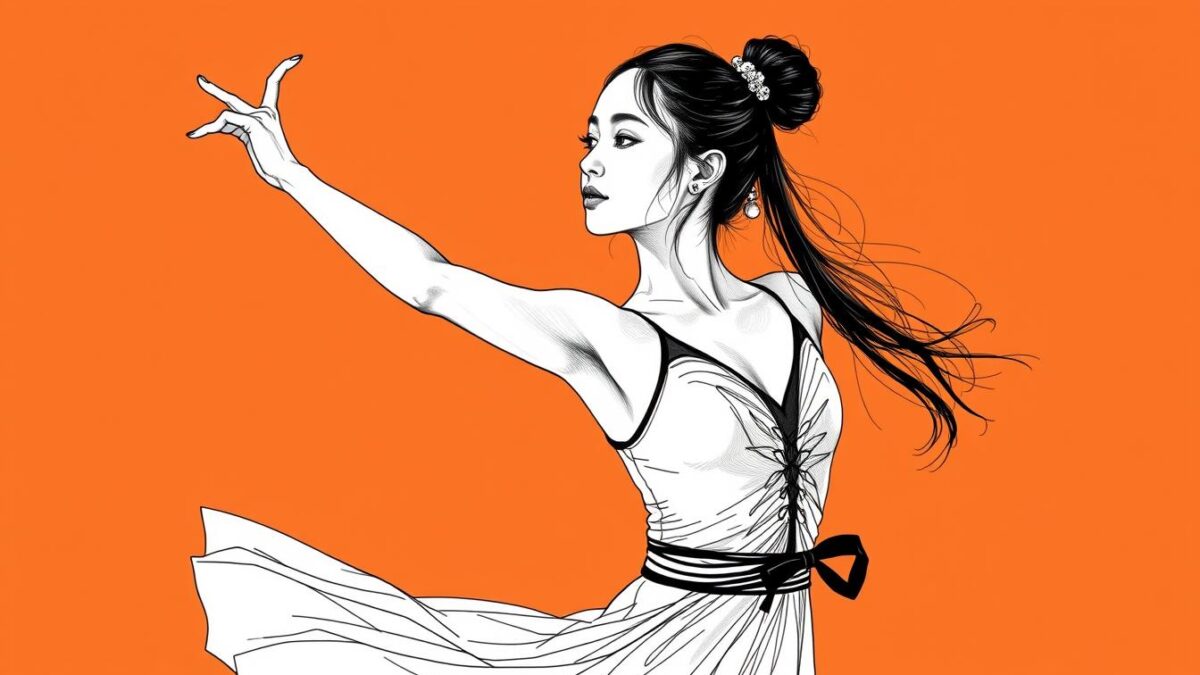
In April 2024, an eleven-year-old dancer from Sapporo claimed first place in classical dance at the Youth America Grand Prix. Competing against international talent in New York, she demonstrated exceptional skill in the girls’ 9-11 age category. This victory announced a new force in the ballet world.
The young artist trains at Kinue Kobayashi Ballet Studio in Hokkaido. Her achievement reflects the strong foundation of Japanese dance education. It shows how local training can produce world-class results.
After her win, she shared a mature perspective beyond her years. “I am very happy because I was able to demonstrate the results of my hard work,” she stated. Her goal extends beyond technical perfection—she hopes to become a dancer who brings joy and smiles to audiences.
Her success wasn’t limited to classical forms. She also placed in the Top 12 for contemporary dance in the same competition. This dual achievement proves remarkable versatility across dance disciplines.
The Youth America Grand Prix stands as the world’s largest student ballet scholarship competition. Founded in 1999 by former Bolshoi Ballet members, it carries significant prestige. This win continues a growing trend of Japanese dancers excelling on global stages.
Capturing Global Spotlight: Yuna Yamada’s International Debut
At the world’s largest student ballet competition, a breakthrough performance in the 9-11 age category signaled the arrival of a formidable new talent. The Youth America Grand Prix’s Pre-Competitive Division evaluates dancers across both classical and contemporary disciplines, testing technical precision and artistic expression.
Breaking Barriers in the Ballet World
Yamada’s first-place classical finish demonstrated mastery against competitors from South Korea, Indonesia, Taiwan, and throughout Japan. This achievement carries special significance in a historically European-dominated art form. The competition’s Bolshoi Ballet founding lineage establishes its credibility as a true measure of classical technique.
Young Japanese dancers must adapt to demanding repertoire while maintaining cultural authenticity. Their success reflects rigorous training and artistic adaptability.
Early Achievements at the Youth America Grand Prix
The dancer’s dual success—topping classical while placing Top 12 in contemporary—shows remarkable versatility. Professional companies increasingly seek this range even in pre-competitive dancers. The table below highlights key placements from the competition:
| Competitor | Country | Classical Placement | Contemporary Placement |
|---|---|---|---|
| Yuna Yamada | Japan | 1st Place | Top 12 |
| Anne Takahashi | Japan | 3rd Place | 3rd Place |
| Various International | Multiple | Top 12 | Top 12 |
Victories here connect directly to scholarships at elite international training institutions. These opportunities make competition wins career-defining rather than merely symbolic achievements in the ballet world.
Highlights from Major Dance Competitions
Beyond individual victories, Japan’s collective success at international ballet contests demonstrated systematic training excellence. Multiple dancers achieved recognition across different age categories.
Triumphant Moments at International Ballet Contests
Japanese students earned impressive placements at the Youth America Grand Prix. Their achievements spanned classical and contemporary disciplines.
Kohaku Kihara placed second in contemporary dance. Yuto Teranishi secured third in classical. Anne Takahashi achieved the rare double podium in both categories.
| Dancer | Age | School | Classical Placement | Contemporary Placement |
|---|---|---|---|---|
| Kohaku Kihara | 11 | Skhole Ballet Art | Top 12 | 2nd Place |
| Yuto Teranishi | 10 | Panda Ballet School | 3rd Place | Top 12 |
| Anne Takahashi | 11 | Flora Ballet | 3rd Place | 3rd Place |
| Eita Akita | 14 | Wakui Ballet School | 3rd Place (Junior) | N/A |
Insights from the Japanese National Sports Festival
Domestic competitions like the National Sports Festival serve as crucial training grounds. Dancers refine their skills before international appearances.
The All-Japan Junior Championships provide similar preparation opportunities. These events build confidence and technical precision.
Impact of Competition Results on Young Dancers
Success at major contests opens doors to scholarships and professional opportunities. The recognition validates years of rigorous training.
Young artists balance validation with performance pressure. International acclaim during developmental years shapes future careers significantly.
Inside Japan’s Dance Scene and Media Coverage
Japan’s ballet training infrastructure came into sharp focus following the Youth America Grand Prix results. The success revealed a network of private studios producing world-class talent across the country.
The Role of Prestigious Schools and Training Programs
Dancers from institutions spanning Hokkaido to Kyoto demonstrated geographical diversity. Schools like Kinue Kobayashi Ballet Studio and Skhole Ballet Art share rigorous methodologies.
They typically employ Vaganova or Cecchetti techniques with early specialization. This approach integrates classical and contemporary training for versatile careers.
Japan’s private studio system differs from European state conservatories. Market-driven quality creates competitive excellence without government funding.
Media Spotlight on Yuna Yamada and Peers
Kyodo News provided comprehensive coverage of the competition results. Their reporting included photography and direct quotes from the young champion.
Japanese media frames these achievements as national cultural accomplishments. The narrative emphasizes disciplined training and artistic dedication.
This attention creates public profiles for young artists. It opens professional opportunities while adding developmental pressure.
Coverage remains straightforward with modest competitor quotes. This reflects cultural norms around youth achievement and public humility.
Looking Ahead: A Bright Future in Dance
The path forward for a young champion is paved with both opportunity and careful choices. Her goal to bring joy and smiles to audiences reveals an artistic maturity that goes beyond technical skill. This focus on emotional connection often defines the most memorable performers.
Victory at the Youth America Grand Prix unlocks scholarship pathways to elite schools worldwide. These next few years of training are critical. The choice between international exposure and Japan’s strong domestic system will shape her unique artistic voice.
A typical trajectory leads from intensive adolescent training to pre-professional roles by age sixteen. The challenge is to maintain this momentum while navigating growth and avoiding injury. It requires a careful balance of discipline and well-being.
Yamada and her peers on that New York stage represent a shift. Their success signals Japan’s rising influence in the global ballet landscape. It is the quiet culmination of countless studio hours, family support, and a passion shared across generations.