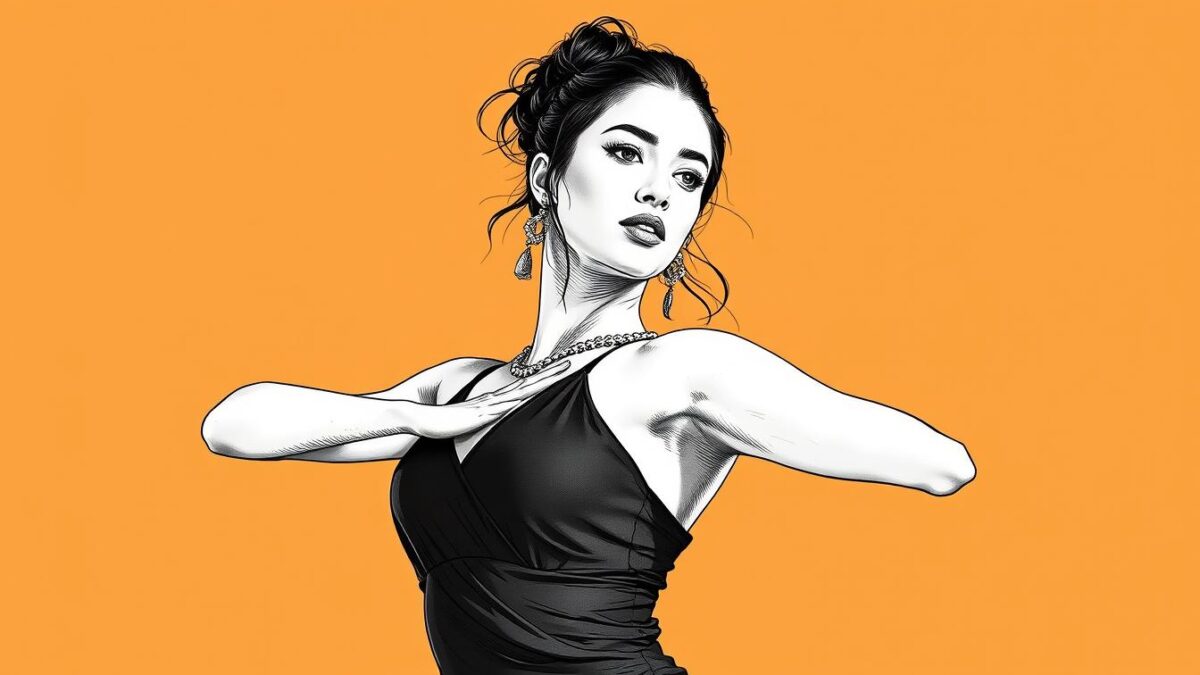
Her story starts with dance. A four-year-old in Nova Iguaçu, Rio de Janeiro, finding her rhythm in classical ballet. That early discipline built a foundation of technical skill and artistic fearlessness.
She commands attention not just for her movement but for her message. This Brazilian dancer transformed into a national symbol of self-acceptance. She built a career on a refusal to let industry standards define her worth.
Her work makes her a powerful body positivity activist. She fights fat-shaming through the courts, winning legal battles that set precedents in Brazil. Her professional image is protected from unauthorized exploitation.
As a digital influencer with millions of followers, her reach extends far beyond the stage. She balances family life with her husband, photographer Israel Reis, and their two daughters. Her journey spans television, entrepreneurial fashion ventures, and a recent pivot into music.
This biography traces her path from a young student to a cultural force. She challenges beauty norms, wins awards, and walks runways with a confidence that reshapes expectations.
About Thais Carla: Early Life and Dance Beginnings
The discipline of classical ballet found its way into her life at the age of four. This early start in Nova Iguaçu began twelve formative years of training. She built a foundation of technique and physical expression.
Discovering a Love for Ballet at a Young Age
This long period of classical ballet training instilled more than just posture and rhythm. It shaped a deep understanding of dance as a language. The experience also introduced the industry’s narrow standards early on.
Founding the Dance Academy with a Sister
At fourteen, she demonstrated a sharp entrepreneurial instinct. She co-founded the dance academy, Academia Studio de Dança Simone Rocha, alongside her sister. This move created a vital space for local dancers in their community.
The academy provided leadership experience. She taught, choreographed, and managed a business. This early dance career step built the acumen needed for future ventures.
| Age | Milestone | Location | Significance |
|---|---|---|---|
| 4 | Began classical ballet training | Nova Iguaçu | Foundation for technical skill and discipline |
| 14 | Co-founded dance academy | Nova Iguaçu | Demonstrated entrepreneurship and community building |
| 4-16 | Dedicated ballet training | Nova Iguaçu | Mastered craft and developed artistic resilience |
Growing up in Nova Iguaçu, outside Rio’s center, fostered a strong work ethic. This resilience would prove essential for breaking into the competitive entertainment world. Her early years perfectly blended artistic development with practical business sense.
Rise to Fame Through Television and Dance Competitions
National television became her stage in 2009 when she appeared on one of Brazil’s most popular programs. This marked the transition from local dance academies to national recognition as a television dancer.
Breakthrough on Domingão do Faustão
Thais Carla’s big break came through the “Se Vira nos 30” segment on Domingão do Faustão. The challenge required dancers to perform complete routines in just thirty seconds.
She won R$15,000 for a hip hop performance that aired on TV Globo. This victory demonstrated her versatility beyond classical training and reached millions of viewers.
Memorable Moments on Programs Like Legendários and Eliana
In 2012, she joined the cast of Legendários as a regular dancer. The show’s hosts gave her the nickname “Gordinha Esquema,” which celebrated both her body type and technical skill.
She remained with Legendários for four years, becoming a highlight of the program. Media outlet OFuxico described her presence as a success that elevated the dance segments.
Additional appearances on Eliana, Programa Raul Gil, and O Melhor do Brasil built her reputation. These shows confirmed her ability to adapt to different formats and connect with diverse audiences.
Thais Carla’s Dynamic Career Expansion
Her career trajectory took an ambitious turn as she ventured beyond the dance studio and television studio. From 2017 to 2019, she performed with Anitta’s dance crew, gaining exposure to international production standards.
This experience helped transform her into a powerful digital influencer. She built a massive social media following through authentic content that celebrated body positivity.
Transitioning into Digital Influence and Social Media
Her online presence became a platform for challenging beauty standards. She shared bikini photos and self-esteem messages that resonated with plus-size women.
In November 2021, she walked in São Paulo Fashion Week, breaking conventional runway norms. The following January, she launched a curtain bikini collection for plus-size fashion.
She co-owns Alitasex, a brand offering sensual products designed specifically for fuller figures. This business addresses market gaps she identified through personal experience.
Venturing into Music and New Performance Arenas
On January 5, 2024, she announced her music career with the single “Não Pode Opinar.” The release carried a clear message that plus-size women can pursue singing.
She won the 2022 MTV Millennial Awards in the “Saúde Tá Ok” category. This recognition celebrated her body positivity advocacy work.
During Carnival seasons, she became a fixture in Salvador’s VIP boxes. Her presence there solidified her status as a cultural celebrity beyond traditional performance spaces.
Battling Fat Shaming: Activism and Legal Milestones
Beyond the dance floor and television studios, she waged a systematic campaign against discriminatory speech through Brazil’s judicial system. Her legal activism treats fat-shaming as professional harm rather than personal insult. She famously stated that “those who slander me hinder my work,” framing attacks as economic damage.
Notable Legal Victories Against Fatphobia Claims
In October 2021, comedian Leo Lins was ordered to pay R$5,000 for moral damages. This case marked Brazil’s first judicial decision directly upholding fatphobia as grounds for conviction. The victory set an important legal precedent for plus-size individuals.
She secured a March 2022 injunction against presenter Danilo Gentili, forcing deletion of her photos from his social networks. The court ruled against both fat-shaming content and unauthorized image use. This protected her professional likeness from exploitation.
The February 2023 incident with federal deputy Nikolas Ferreira sparked national debate. His mocking comment about her Globeleza costume led to a R$52,000 lawsuit. The case highlighted tensions between body standards and political discourse.
The Role of Activism in Shaping Her Public Image
These fat-shaming lawsuits position her as someone who fights back systematically. Rather than absorbing attacks, she transforms them into legal advocacy. This strategic approach reshapes public perception of body positivity activism.
Not every case ends in victory. Her September 2024 lawsuit against filmmaker Pietro Krauss was dismissed, with courts upholding freedom of speech. The mixed outcomes demonstrate that legal activism remains central despite occasional setbacks.
Her October 2024 investigation by Bahia prosecutors for promoting gambling adds complexity. Yet the consistent legal battles reinforce her image as a determined advocate against discrimination.
Personal Life, Family, and Social Media Impact
Her public persona as an activist and performer finds its counterpoint in the quiet rhythms of domestic life. Since 2016, she has built a partnership with photographer Israel Reis that supports both her career and their family life.
Balancing Family Life and a Thriving Career
The couple navigates geographic challenges to maintain stability for their daughters, Maria Clara and Eva. They moved from Salvador to São Paulo’s interior in 2021 for business reasons.
Israel Reis shares parenting duties, bringing their children to São Paulo for family time. This support system enables her theater studies while keeping the family connected.
Promoting Body Positivity and Self-Esteem
Her social media activism transforms personal platforms into spaces of empowerment. She posts bikini photos as deliberate statements against exclusionary beauty standards.
This approach offers tangible examples of success for plus-size women. Her consistent visibility proves that celebration and commercial success don’t require permission from traditional industries.
The artist maintains boundaries around her daughters’ privacy while showing coordinated family moments. This balance humanizes her public image without sacrificing protection.
Final Reflections and Future Horizons for Thais Carla
From dance floors to courtrooms, her influence now extends across Brazilian entertainment and activism. This career evolution represents a powerful convergence of artistic expression and social change.
Her January 2024 music debut with “Não Pode Opinar” signals new creative directions. Simultaneously, theater studies in São Paulo deepen her performance craft.
The 2022 MTV Millennial Award recognized her cultural impact beyond entertainment. It celebrated how she reshaped conversations about body image and representation.
Future projects will likely continue this multifaceted approach. Legal battles against fat-shaming persist alongside fashion ventures serving plus-size communities.
Her legacy creates space where fuller-figured women see themselves as worthy of all opportunities. This lasting impact transcends any single achievement in her remarkable journey.