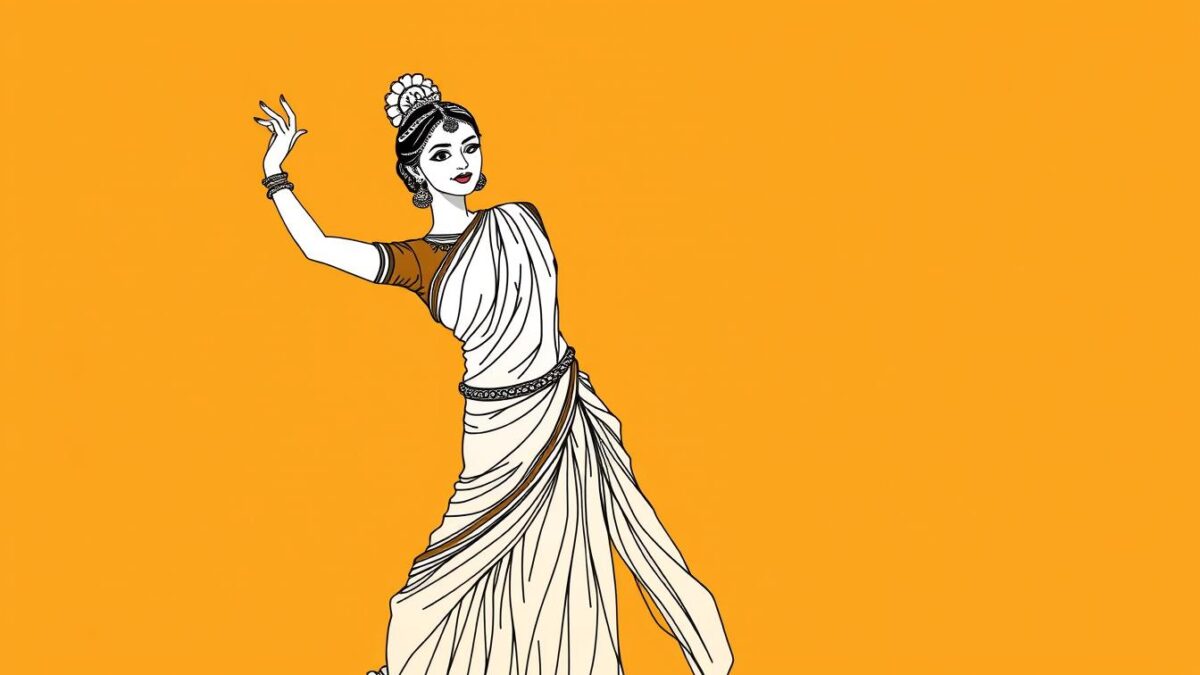
Profiles in the digital age often present a complex picture. The story of Shreya Anand is one such narrative, built on a foundation of tangible achievement.
Available records spotlight a Los Altos High School senior. She created a podcast dedicated to women shaping science, technology, engineering, and math.
Her work earned a feature on KQED, discussing the critical need for representation in these fields. A Stanford affiliation further marks her path.
This profile focuses on these verified facts. It celebrates the real impact of a young woman of color in STEM.
Her story matters to anyone following the next generation of scientific voices. It’s a account of initiative, not manufactured legend.
Profile Overview and Early Beginnings
The journey of Shreya Anand started in the classrooms of Los Altos High School. Her interest in science and math was clear, but the environment presented a unique challenge. She felt a deep tension between her passion for the subjects and a nagging feeling of not belonging.
Early Life and Cultivating a Passion for Dance
In her own words, she never saw herself as “underrepresented.” The concept was foreign. Instead, she simply felt “alone.” This isolation colored every academic interaction.
Raising a hand in a STEM class made her hyper-conscious. Scoring well on an exam could bring feelings of being undeserving. Even asking for extra help was accompanied by a sense of shame.
Foundational Moments and Personal Influences
This emotional landscape shaped her perspective profoundly. She worried about taking risks and how she would recover from failure. The absence of relatable role models made the path ahead seem even more solitary.
These early experiences were not just obstacles. They became the foundational influence for her future work. They created a powerful empathy for others facing similar isolation, driving a need to build community.
Shreya Anand: Dance, Determination, and Dynamic Perspectives
Textbooks filled with familiar names sparked an unexpected search for the unfamiliar. The brief mentions of women in STEM stood out sharply against pages dominated by figures like Newton and Einstein. This curiosity ignited a personal investigation.
She decided to bridge the gap between history and the present. The project started with simple outreach. Emailing established professionals required courage, but the responses were immediate and generous.
From the Studio to the Stage
Building the podcast meant embracing unglamorous work. Each episode demanded hours of research, recording, and editing. This consistent effort transformed an idea into a tangible platform for conversation.
The interviews revealed a shared emotional landscape. Successful women spoke openly about imposter syndrome and isolation. Their stories validated her own feelings, turning personal doubt into a collective experience.
| Challenge | Practical Action | Outcome |
|---|---|---|
| Initial Outreach | Direct, respectful emails to professionals | High response rate and willing participants |
| Content Creation | Dedicated scheduling for research and recording | A library of authentic, insightful conversations |
| Balancing Commitments | Strict time management between school and project | Sustained production without academic compromise |
Balancing Artistry with Broader Aspirations
The project evolved from a personal quest into a public service. It aimed to challenge narrow narratives about who belongs in science and technology. The goal was building a visible community.
Juggling academic rigor with creative drive was a real test. There were no shortcuts. The work solidified a broader mission to spotlight underrepresented voices.
This journey defined the determined perspective of Shreya Anand. It showcased a commitment to turning observation into meaningful action.
Cultural Impact and Media Spotlight
In September 2022, a recorded voice reached across California’s airwaves, challenging the silence around women in STEM. The KQED Perspective series featured Shreya Anand as a Los Altos High School senior. Her commentary distilled personal experience into public conversation.
Media Features and Public Engagement
The radio segment amplified her podcast’s mission exponentially. Public radio’s trusted platform gave her message legitimacy and reach. Listeners beyond her community heard about representation gaps in science fields.
Her Perspective piece focused on systemic issues rather than personal achievement. She discussed the emotional weight of isolation in STEM classrooms. The message resonated with anyone who has felt like an outsider.
| Platform | Audience Scale | Primary Focus | Measurable Outcome |
|---|---|---|---|
| Original Podcast | School/Local Community | Personal Interviews | Direct Conversations |
| KQED Perspective | Regional Broadcast | Systemic Analysis | Broader Awareness |
| Online Distribution | Digital Listeners | Accessible Archives | Sustained Engagement |
Bridging Dance and Broader Social Narratives
Media exposure created responsibility rather than celebrity. Shreya Anand used the spotlight to highlight structural challenges. Her work connected individual stories to larger cultural patterns.
The commentary offered insights applicable beyond STEM fields. It addressed universal themes of belonging and validation. This approach made her advocacy relevant to diverse audiences.
Her media presence demonstrated how personal narratives can illuminate systemic issues. The bridge between individual experience and social commentary became her distinctive contribution.
Final Reflections and Future Horizons
The most powerful asset can sometimes be the feeling you try hardest to escape. For one young creator, loneliness became the fuel for building a community. She transformed personal isolation into a shared space for connection.
Shreya Anand articulated this shift perfectly. She called her loneliness her “biggest asset.” By sharing those emotions, she realized she was “a lot less alone than I initially thought.” This is the philosophy of being “alone together.”
Shreya Anand acknowledges that imposter syndrome may linger. The victory is not its disappearance, but the creation of a support network to rely on. Her story offers a model for turning vulnerability into strength.
As a high school senior looking toward Stanford, her project’s future evolves. The conversations she started and the community she formed are her lasting impact. It’s a precedent for sharing stories without shame.