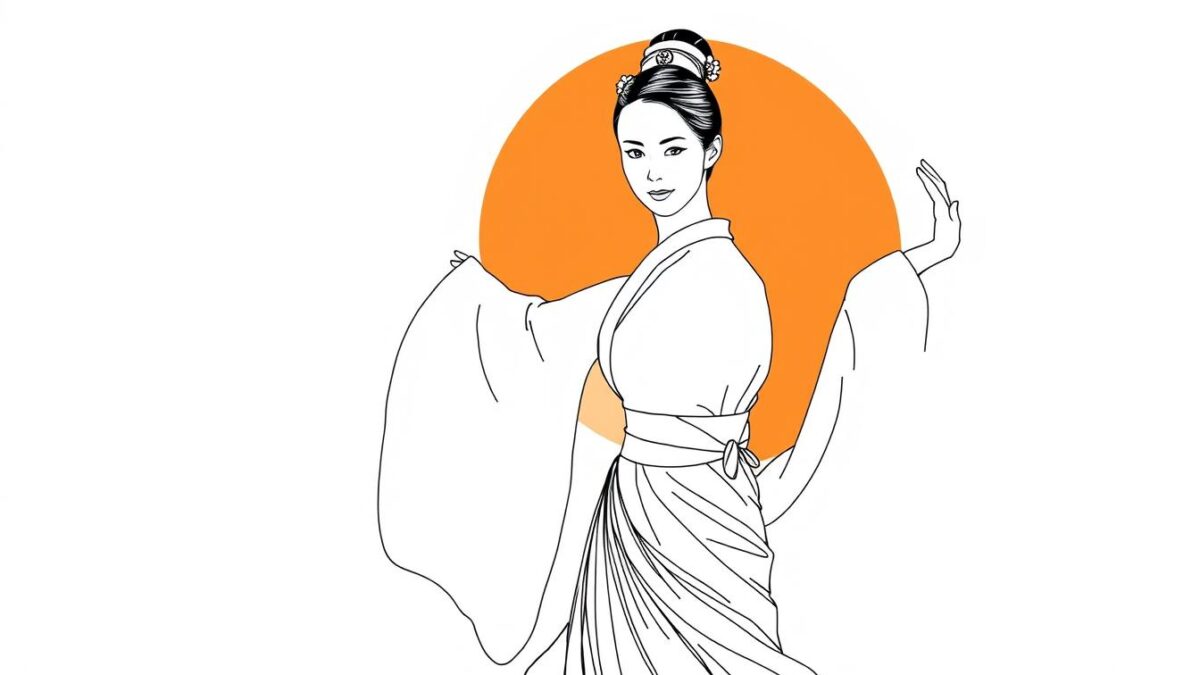
A distinct voice in Japanese dance carves a path through movement. This artist blends deep tradition with a sharp personal vision. Her work speaks a language where every gesture holds clear intention.
Her name carries weight where artistry meets strict discipline. She built a reputation on performances that merge technical skill with raw emotional honesty. For this dancer, craft and genuine feeling are inseparable.
This journey was not an escape but a deep engagement with cultural roots. It reveals a performer shaping an evolving artistic identity. The path is marked by a quiet accumulation of work that speaks for itself.
Her story resonates with audiences seeking authenticity over mere spectacle. They look for depth and a true sense of connection. This look traces her choices and how they shape a wider conversation about art.
We follow the path from early influences to an established presence. The narrative unfolds through documented career moments, not hype. It is a story built on the power of a body in motion.
Early Beginnings and Cultural Foundations
The foundations of a dancer’s language are often laid in the quiet, formative years before the stage lights ever hit. For Sako Kawamura, this meant growing up within Japan’s deep performance traditions.
Her first encounter with dance happened at a young age. This early start shaped a relationship built on instinct rather than analysis. Movement felt like a natural form of expression.
She absorbed influences from Japan’s rich artistic heritage. This included the stark power of Butoh and the elegant narratives of Kabuki. These original forms taught that silence could be as loud as motion.
Childhood and Cultural Roots
Geography played a key role. Access to training and mentors depended on location. Her family’s perspective on art also set the stage, fostering determination.
The cultural landscape offered both structure and potential for rebellion. Traditional expectations existed alongside bold, new contemporary movements.
Influences from Japan’s Artistic Heritage
These formative years built a technical and aesthetic vocabulary. Kawamura learned from forms where every gesture held meaning. The control of Noh and the raw emotion of postwar dance all left a mark.
This period established the core principles she would carry forward. It was a time of learning the rules before eventually learning how to break them with purpose.
Sako Kawamura: Craft, Career, and Cultural Impact
Her professional journey defied easy categorization. It was a deliberate path built on artistic conviction rather than convention. Each choice—selecting companies, trusting choreographers—carved a distinct route.
Evolution of Her Dance Craft
Information about her training reveals a dancer who studied multiple movement philosophies. She refused to limit her instrument. Her body, breath, and spatial awareness became tools refined with each season.
She developed a signature quality of attention. A profound sense of stillness and intuitive rhythm became her hallmarks. Audiences recognized this unique expressive range immediately.
| Career Phase | Focus | Key Development |
|---|---|---|
| Early Formation | Technical Assimilation | Mastering diverse traditional and contemporary techniques |
| Artistic Integration | Signature Style | Cultivating a unique presence and rhythmic intelligence |
| Expanded Influence | Mentorship & Direction | Shaping the next generation through teaching and advocacy |
Impact on Japanese Dance and Beyond
A series of landmark performances cemented her reputation. Each piece built upon the last, testing new artistic territory. These works sparked important conversations within Japanese cultural discourse.
Kawamura’s impact extended far beyond the stage. She influenced fellow dancers and created space for new explorations. Her engagement with international contexts translated a specific vision into a universal language.
Her contributions through teaching and advocacy ensured a lasting change. The legacy is one of deepened perception for the entire art form.
Comparative Insights: Artistic, Musical, and Athletic Legacies
The artistic landscape reveals how shared heritage can manifest in remarkably different creative expressions. While one artist commands the stage, others excel in gaming, music, and sports.
This diversity shows the breadth of Japanese cultural influence. Each individual carves a unique path while honoring similar values of discipline and innovation.
Exploring Diverse Kawamura Stories
Sachiko Kawamura built an impressive career in video game design. Her work on Sonic Adventure featured original characters that became gaming icons.
Her archived original designs for the Chao creatures demonstrated technical and creative mastery. These games reached millions worldwide, shaping interactive storytelling.
Hisako Kawamura’s musical achievements brought classical piano to international stages. Yuki Kawamura’s basketball career defied physical expectations at elite levels.
Notable Collaborations and Career Milestones
Sachiko’s progression from artist to producer spanned decades of Sonic games. Each promotion marked significant growth in her creative vision.
Her archived original work remains accessible to fans and historians. These materials document the evolution of character design in major games.
All three professionals show how dedication transcends different disciplines. Their parallel journeys highlight the many forms excellence can take.
Reflecting on Legacy and Future Prospects
A lasting artistic influence is built through a consistent series of thoughtful decisions. It accumulates quietly over a career. This is the quiet work that truly shapes a field.
Sako Kawamura’s contribution will be measured by the possibilities she opened. Her work made new questions permissible to ask. It created a space for deeper exploration.
Her original approach to movement and performance left a clear template. Others can study, adopt, or challenge this foundation. It is a legacy that cannot be ignored.
The impact extends beyond the stage. It lives in the dancers she trained and the audiences she moved. Archived performances ensure her artistry speaks to future generations.
Kawamura’s legacy is a changed conversation. It appears in a young dancer’s technique or a viewer’s new understanding. Her influence is a quiet, enduring force.