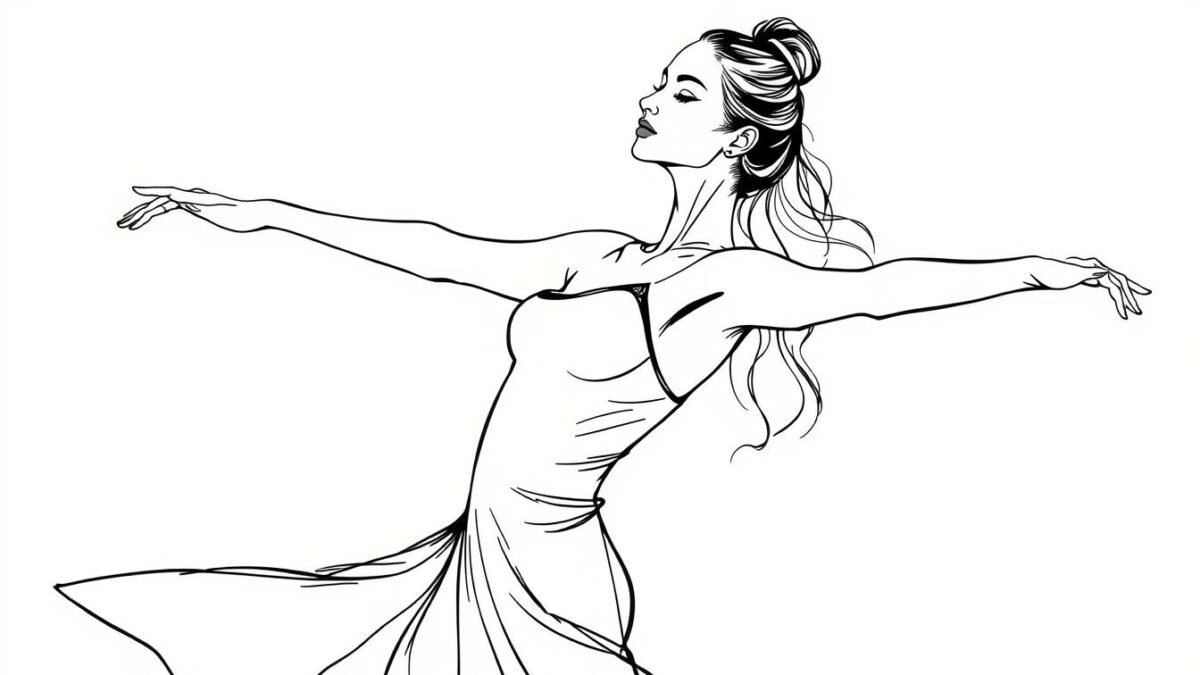
She brought European precision to Canadian stages when dance was finding its voice. This performer carved a path that transformed theatrical communities across North America. Her work spanned continents and decades, leaving a mark that still resonates today.
Born in England in 1894, she trained at the prestigious Ginner-Mawer School. This institution emphasized natural movement and revived Greek dance forms. That foundation shaped her entire approach to performance and teaching.
Early London stage work with Sybil Thorndike established her dramatic depth. She wasn’t just an entertainer but a serious artist. This credibility grounded all her future work in expressive authenticity.
The decision to leave England showed artistic courage. She brought professional dance education to regions hungry for cultural enrichment. Her legacy lives through thousands of students and the schools she built.
Dance served as both mental and physical expression in her philosophy. She believed in craft above celebrity. That dedication influenced generations of performers who followed.
The Enduring Legacy of Rene Almond
Her final resting place beside her sister in Shigawake, Quebec, symbolizes a creative partnership that lasted a lifetime. This bond strengthened their individual contributions to theatre and dance across continents.
Honoring a Dance Icon
Her influence flowed directly into the next generation. Her son, Paul Almond, became a celebrated Canadian filmmaker, continuing the family’s dedication to artistic storytelling.
She balanced a demanding career with raising children. This required immense stamina, proving artistic ambition and motherhood could coexist successfully.
Cultural Impact in Canada and Beyond
Her work at the Montreal Repertory Theatre introduced European techniques to a hungry artistic community. She brought a fresh perspective to a city defining its cultural identity.
The content of her teaching championed natural expression. This approach made dance accessible, breaking down formal barriers for students of all backgrounds.
Earlier work in Australia and New Zealand planted seeds for professional dance education. Local teachers built upon the standards she established for decades.
Her legacy persists in archives, student memories, and schools that still follow her philosophical methods.
Exploring Rene Almond’s Dance Journey
Her 1924 departure for Christchurch marked a bold move to bring professional dance education to regions with limited access to European training.
Early Life and International Training
Born Irene Clarice Mulvany-Gray in Brentwood, Essex, she trained at the Ginner-Mawer School. This institution rejected ballet’s artificiality in favor of natural movement rooted in Greek ideals.
The school’s philosophy shaped her entire approach. She believed dance should feel natural rather than forced. This separated her from contemporaries who prioritized technical skill over emotional authenticity.
Her training emphasized expressive freedom above rigid form. This foundation would guide all her future work across continents.
Performances in Australia and New Zealand
From 1924 to 1926, she taught and performed in Christchurch. Her work introduced mime and interpretive dance to audiences unfamiliar with these European forms.
Moving to Sydney in 1927, she continued teaching while meeting her future husband. Newspaper records show numerous recitals and demonstrations during these years.
In 1927, she told a Sydney audience that dance’s greatest asset was its natural form of expression. This belief guided the content of all her performances. The content she presented positioned dance as intellectually valuable, not just entertaining.
These international years established her reputation as a serious artist willing to work in developing cultural markets.
Rene Almond’s Role in Dance Education
In Montreal, she shifted from performer to institution builder, creating a school that would shape generations. With her sister Hilda, she founded the Almond-Gray School of Dance, Drama, and Mime in the 1930s. This move cemented her commitment to a lasting legacy.
Establishing the Almond-Gray School of Dance
The school’s curriculum broke from tradition. It integrated dance, drama, and mime into a single, cohesive program. This approach prepared students for versatile stage careers.
Her workshops for children were particularly innovative. They focused on developing physical expressiveness and confidence during formative years. She believed early training was essential.
The table below outlines the core disciplines taught at the school.
| Discipline | Primary Focus | Student Outcome |
|---|---|---|
| Dance | Natural Movement & Rhythm | Physical Grace & Coordination |
| Drama | Character Interpretation | Emotional Expression & Voice |
| Mime | Non-Verbal Storytelling | Body Control & Imagination |
Regular recitals and participation in festivals like the Quebec Musical Competition gave students real-world experience. This demonstrated the school’s high standards. It also created a sustainable model for artistic education.
Involvement in the Montreal Play-Reading Club kept her teaching connected to the broader theatrical world. This ensured the curriculum remained current and relevant for decades.
Product Inspirations: Hair, Wigs, and Cap Sizes
For dancers and performers, wigs become essential tools for character embodiment. The physical nature of dance creates unique demands on these hairpieces.
Designing Wig Products with Superior Cap Size
A proper fit starts with accurate cap measurements. Dancers need secure headpieces that withstand vigorous movement.
The right cap size prevents shifting during leaps and turns. Breathable construction also matters for intense performances.
Selecting Top Quality Hair and Color Options
Hair quality balances visual appeal with practical concerns. Lightweight materials prevent fatigue during long shows.
Color choices must account for stage lighting effects. Deeper shades often work better under bright lights.
This thoughtful approach to product design ensures wigs enhance rather than distract from performance.
Innovative Wig Designs Reflecting a Timeless Style
Innovative wig designs became crucial tools for character embodiment as performance styles evolved toward greater naturalism. The timeless elegance seen in stage photographs from this era reveals how appearance required meticulous construction.
These hairpieces served as essential transformation tools across different roles. They allowed performers to shift identities seamlessly between productions.
Variety of Wig Types for All Ages
The range of available wig types expanded significantly to serve performers of all ages. Children in training needed different hair solutions than mature actors playing character roles.
Each type consideration addressed specific performance needs. Period-accurate styling required different construction than contemporary naturalistic looks. Some productions demanded fantastical designs for symbolic characters.
The color palette available in theatrical wigs offered creative flexibility. Natural human hair shades blended with performers’ features. Vibrant, unnatural tones enabled expressionistic character work.
Wigs designed for dance faced unique structural challenges. They needed secure attachment methods that remained invisible to audiences. The construction had to withstand vigorous movement that would destroy wigs made for static dramatic work.
Modern wig varieties reflect accumulated knowledge from performers’ practical experience. This ensures they work on actual bodies in motion rather than just on display mannequins.
Enhancing Your Look with Premium Cap and Wig Products
The right wig foundation transforms stage presence from adequate to extraordinary. Professional performers know that technical details make the difference between distraction and seamless character embodiment.
Choosing the Right Size and Type
Accurate measurements determine the perfect cap size. A proper fit prevents shifting during dynamic movements and ensures comfort throughout long performances.
The product quality separates professional gear from costume pieces. Top-tier options feature hand-tied construction and natural hairlines that withstand repeated use.
Selecting the right type depends on performance context. Stage productions require different construction than close-up film work where details matter more.
Consider these factors when choosing your next wig:
- Secure attachment methods for vigorous movement
- Breathable materials for extended wear
- Durability for multiple productions
- Color options that work under stage lighting
Understanding these technical aspects ensures your appearance matches your performance level. The right choice supports rather than undermines your artistic work.
Integrating Dance Legacy with Modern Product Content
Her work in radio plays reveals an unexpected connection between visual appearance and vocal performance. Even for audio-only roles, she maintained full costume and hair styling. This practice underscores how deeply physical presentation supports character embodiment.
Modern product development builds on this accumulated knowledge from performers. The content of her roles, from Greek tragedy to modern comedy, demanded specific visual tools. Each character required hair and wigs that communicated essence while allowing physical freedom.
The table below shows how performance needs directly influence product features.
| Performance Need | Product Feature | Benefit for Performer |
|---|---|---|
| Secure fit during movement | Accurate cap size | Confidence and comfort |
| Character authenticity | Versatile color options | Believable transformation |
| Durability across productions | Top quality construction | Long-term value |
This artist’s extensive travel and stage work provided real-world testing grounds. Her feedback, and that of her peers, helped refine the standards we see today. The right product does not distract. It completes the performance.
Wrapping Up: Celebrating a Timeless Influence
The lasting product of her artistic journey is found in the generations she inspired. Her work created opportunities where few existed before.
Rene Almond died in 1972 at age 77. She rests in Shigawake, Quebec, beside her sister and collaborator, Hilda. A joint memorial bench honors their creative partnership.
Their legacy continued with her son, Paul Almond. He became a celebrated filmmaker, carrying the family’s dedication to storytelling into a new art form.
This dancer’s story represents countless artists whose essential work thrives in local communities. Her influence rests on clear principles. Dance is natural expression. Education should be accessible. True artistic meaning comes from serving others.
That timeless quality ensures her impact continues, quietly shaping the cultural landscape.