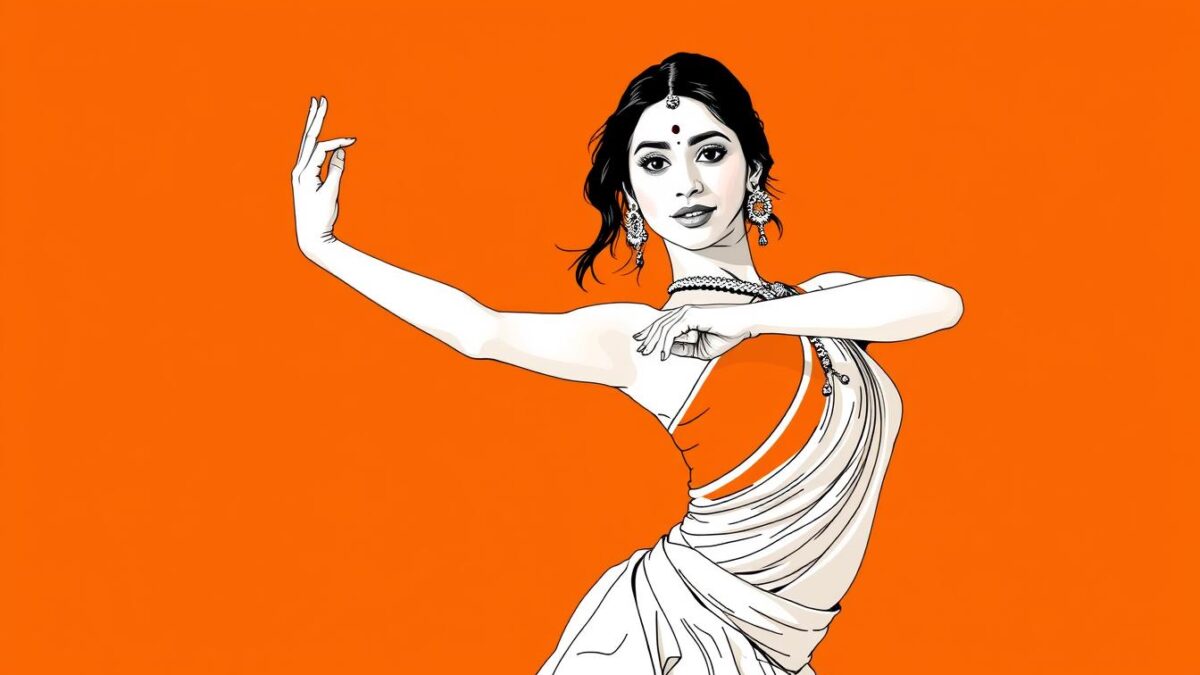
The name Megha Reddy surfaces in conversations about Indian dance. Yet, a full picture of her career remains just out of reach. This is the reality for many artists whose work lives primarily in movement and memory.
Performance art is fleeting. It thrives in the moment, passed down through generations. Formal records often fade, leaving behind fragments of a legacy.
This look at the dancer’s path commits to honesty. We examine the craft, the training, and the cultural soil that nurtured her art. The goal is to move beyond simple celebration to genuine understanding.
Dance carries history forward. It transforms communities through dedication and rhythm. Even with limited archives, the significance of this artistic contribution stands firm.
Introduction and Overview
To understand any dancer’s life in India requires seeing beyond the stage to the rigorous training that shapes every movement. The craft demands more than technical skill.
Setting the Stage: A Journey into Dance
Dance in India carries religious weight and historical narratives. It connects ancient traditions with modern expression. Classical forms like Bharatanatyam and Kathak preserve centuries of cultural knowledge.
Training begins young, often in childhood. Students learn mudras, abhinaya, and complex rhythm patterns. This foundation takes years to master under expert gurus.
The path involves countless practice hours and temple performances. Recognition grows slowly within communities that value artistic devotion. Each dancer contributes to a living tradition.
Understanding their work means examining their specific form and lineage. It means seeing the innovations they brought to traditional repertoire. Their impact reaches audiences through performance.
Many artists from earlier eras lack comprehensive digital archives. Their legacy exists in oral histories and scattered records. This makes appreciating their full contribution challenging yet essential.
Early Life and Background
Before the stage lights and applause, there are the quiet beginnings that define a dancer’s path. These formative years build the foundation for artistic expression.
Formative Years and Cultural Roots
Family background often determines which dance form a student pursues. Regional traditions carry distinct aesthetic principles. Each style reflects local heritage and storytelling methods.
Early exposure to music and movement awakens artistic sensibility. Children absorb rhythms during festivals and temple ceremonies. They watch established artists with rapt attention.
This cultural immersion shapes their future interpretations. The regional flavor becomes part of their artistic vocabulary.
Key Moments that Shaped Her Life
Critical events mark turning points in a dancer’s life. The arangetram represents the first major milestone. This debut performance signals readiness for professional recognition.
Acceptance by a renowned guru transforms artistic development. It provides access to deeper knowledge and technique. Festival performances offer visibility to wider audiences.
Each opportunity builds confidence and skill. These moments collectively shape the dancer’s artistic life and career trajectory.
Exploring Megha Reddy’s Artistic Journey
Signature style develops when technique becomes second nature and personal expression takes over. This transition marks the true beginning of an artist’s distinctive voice.
Pioneering Dance and Signature Styles
Megha Reddy’s artistic identity emerged through her unique approach to classical forms. She brought fresh emotional depth to traditional compositions.
Her movements carried a particular rhythm and phrasing that became recognizable. This signature quality distinguished her performances from others in the field.
The dancer revived neglected pieces while respecting classical structure. Her work expanded the audience for Indian dance through innovative outreach.
Milestones and Public Accomplishments
Major festival performances provided platforms for wider recognition. Collaborations with renowned musicians enriched her artistic development.
Teaching became a significant part of her contribution. She established institutions that preserved dance traditions while encouraging new voices.
Her legacy exists in performance records and student memories. These accomplishments demonstrate a career dedicated to both craft and community.
Influences, Challenges, and Inspirations
Artistic growth in dance emerges from the intersection of personal challenges and cultural influences. This dynamic shapes how dancers interpret tradition while finding their unique voice.
Cultural Impact and Personal Growth
Gurus provide the technical foundation, but true artistry develops through collaboration. Working with musicians and poets expands a dancer’s emotional range.
Each performance becomes a conversation with tradition. Dancers absorb cultural context while reshaping how audiences perceive classical forms.
Personal growth manifests in choreographic choices and interpretive depth. The artist finds space for innovation within established parameters.
Overcoming Adversity and Embracing Change
Financial constraints and physical demands test commitment. Many dancers balance artistic integrity with practical realities.
Injuries can threaten performance careers, forcing creative adaptation. This resilience often leads to teaching or administrative roles.
The dance life requires embracing technological shifts and audience evolution. Tradition survives through adaptation, not rigid preservation.
Megha Reddy’s journey reflects this balance between artistic devotion and practical navigation of the professional dance world.
Reflecting on a Lasting Legacy
What remains after the final curtain falls is a complex tapestry woven from memory, influence, and the lives an artist touched. A dancer’s contribution lives through the students they trained and the standards they set. It exists in the innovations that quietly reshape tradition.
This legacy has both tangible and intangible threads. Choreographic works and institutional foundations provide a physical anchor. Yet the inspiration felt by aspiring artists and the cultural bridges built through performance hold equal weight.
Honest reflection means acknowledging that not every career receives full documentation. For artists like Megha Reddy, whose work predates digital saturation, legacy becomes a shared responsibility. We preserve oral histories and honor artistic dedication, even when the official record is sparse.
The effort to understand a dancer’s path matters. It affirms that a life devoted to art carries profound meaning, leaving echoes that resonate long after the stage lights dim.