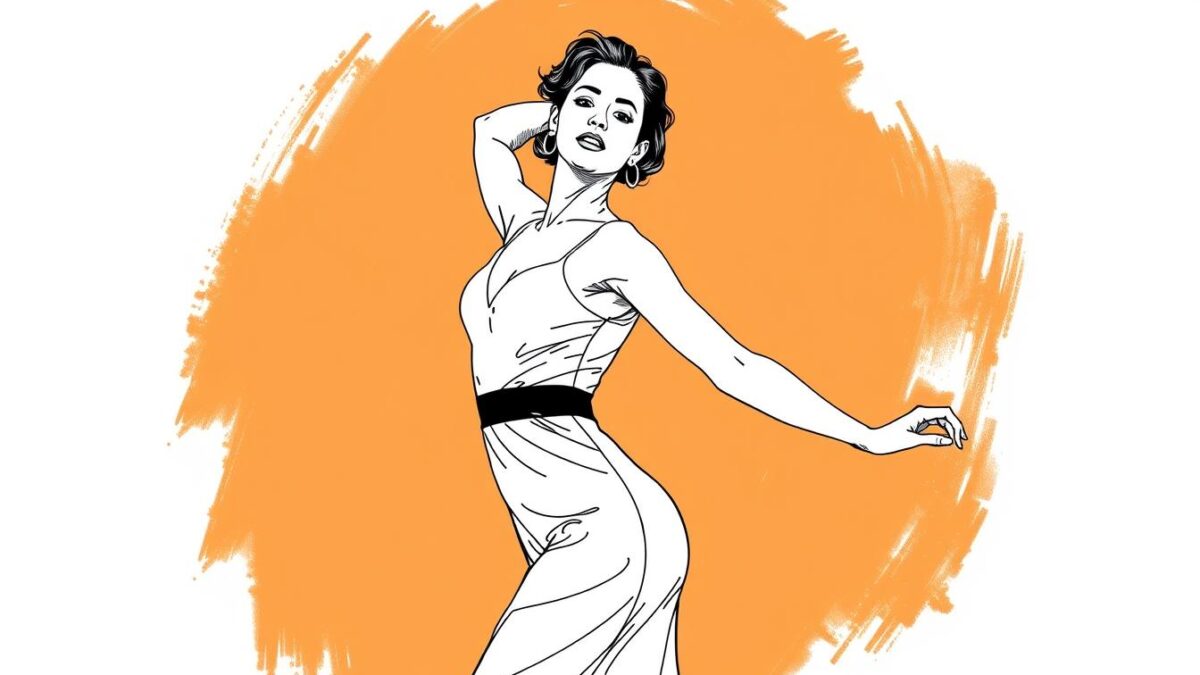
In the vibrant theater scene of 1890s Paris, one performer commanded attention with magnetic stage presence. Marcelle Lender brought technical precision to every movement. She became a celebrated figure across the city’s entertainment landscape.
Her talent transformed ordinary operetta performances into unforgettable spectacles. Aristocrats and fellow artists flocked to see her work night after night. She created moments that lingered long after the curtain fell.
The famous artist Toulouse-Lautrec found himself captivated by her performances. He immortalized her in multiple artworks, particularly drawn to her distinctive red poppy headdress. This visual record from Chilpéric performances preserves her artistic energy.
Her signature bolero dance became legendary throughout Montmartre’s entertainment district. It represented the peak of theatrical dance artistry during the Belle Époque period. This examination traces how one dancer’s career intersected with major lithographic art history.
Introduction: The Iconic Journey of a French Dance Star
Parisian nightlife during the fin de siècle witnessed the emergence of performers who redefined stage presence. Dance and theater merged into spectacular productions that defined the city’s entertainment landscape. This period created stars with both technical skill and visual impact.
Henri Toulouse-Lautrec found himself captivated by one particular artist. He attended the comic opera Chilpéric twenty consecutive nights in 1895. His obsession focused on capturing her bolero performance through his art.
The partnership between Marcelle Lender and Toulouse-Lautrec created a lasting visual legacy. Though purely artistic, their collaboration ensured her performances outlived her stage career. Dance transformed from ephemeral entertainment to permanent cultural artifact through lithographic reproduction.
| Aspect | Before Transformation | During Belle Époque | Impact |
|---|---|---|---|
| Performance Style | Traditional routines | Spectacular productions | Elevated dance to high art |
| Audience Reach | Local theater-goers | Aristocrats and artists | Broader cultural influence |
| Artistic Documentation | Limited visual records | Lithographic reproduction | Preserved performances |
| Star Creation | Based on talent alone | Technical skill plus visual appeal | New type of theater celebrity |
This relationship revealed how artistic documentation could amplify fame beyond the footlights. It established why an aristocrat-turned-artist found her work worthy of obsessive attention. The collaboration placed Marcelle Lender among the most documented performers of her era.
The Life and Career of Marcelle Lender
Operetta and comic opera demanded a rare combination of talents that separated true stars from temporary sensations. Few performers mastered the balance of vocal ability, comic timing, and dance skill required for success.
Early Beginnings and Rise to Stardom
Her career followed the traditional path through provincial theaters. These venues served as crucial training grounds. Paris stages eventually recognized her unique blend of technical precision and theatrical charisma.
She built her reputation gradually through consistent performances. This approach demonstrated her dedication to the craft. Her longevity in the competitive world of French theater set her apart from other performers.
Signature Performances and Bolero Elegance
The bolero sequence in Chilpéric became her defining moment. This dance required both athletic stamina and commanding presence. She mastered Spanish dance vocabulary within a French theatrical context.
Her understanding of costume as character proved essential. The oversized red poppy headdress created instant visual recognition. This distinctive element became inseparable from her stage identity.
Dancing bolero showcased her versatility across cultural traditions. Her stage presence combined discipline with spontaneity. Audiences returned night after night for performances that felt both rehearsed and immediate.
| Career Aspect | Early Development | Paris Breakthrough | Lasting Impact |
|---|---|---|---|
| Performance Style | Provincial theater training | Refined technical precision | Consistent artistic quality |
| Audience Reach | Local theater-goers | Parisian elite and artists | Broad cultural influence |
| Signature Elements | Developing core skills | Bolero and costume mastery | Iconic visual identity |
| Artistic Legacy | Building reputation | Star status achieved | Enduring performance record |
Marcelle Lender in the Artwork of Toulouse-Lautrec
Lithography became the perfect medium for translating live theatrical energy into permanent visual form. Henri Toulouse-Lautrec’s portraits captured the dancer’s dynamic stage presence through innovative print techniques. His work preserved moments that would otherwise vanish when the curtain fell.
Masterful Lithographs and Color Techniques
The artist’s technical approach demanded precision. Each color lithograph required multiple stones—eight for the famous bust portrait. This complex process layered hues to achieve vibrant results.
Color functioned as both description and emotion. The red poppies in her headdress drew attention exactly as they did on stage. Henri Toulouse-Lautrec’s mastery turned print media into dramatic storytelling.
Exhibition History and Critical Reception
These lithographs circulated as both fine art and promotional material. They extended her fame through reproducible imagery. The Detroit Institute of Arts now holds key examples.
Critics noted how the artwork balanced technical precision with spontaneous energy. The portrait captured her mid-performance with mouth open in song. It conveyed the vitality of live theater through printed media.
Influence of Japanese Woodblock Portraits
Japanese prints directly shaped the compositional choices. The focus on head and shoulders mirrored kabuki performer portraits. This created intimate emphasis on facial expression.
The influence created a new visual vocabulary for theatrical portraiture. It transformed ephemeral performance into lasting cultural record. Each lithograph object ensured her artistry would outlive the live experience.
The Cultural and Artistic Context of French Dance
The hilltop district of Montmartre became Paris’s laboratory for new forms of artistic expression and performance. This neighborhood offered a unique view into how entertainment evolved during this pivotal period in French history.
Montmartre: Cafés, Cabarets, and Dance Halls
Montmartre in the 1890s blurred social boundaries. Aristocrats mingled with working-class audiences in venues where class distinctions dissolved. Artists like Toulouse-Lautrec became regulars rather than occasional visitors.
Dance transformed dramatically in these spaces. Formal ballet gave way to expressive forms blending Spanish, folk, and improvisational elements. This cultural mixing reflected Montmartre’s diverse influences.
Performers thrived in this environment. They developed relationships with artists who documented their work with unprecedented depth. Technological advances like color lithography captured theatrical spectacle with vibrant accuracy.
The reproducible nature of prints allowed performances to reach mass audiences. This preservation through art elevated entertainers beyond commercial illustration. It secured their place in cultural memory.
Curated Collections and Provenance of Marcelle Lender Artworks
Museum collections preserve the visual legacy of performers through careful documentation and acquisition. These institutions safeguard artworks that might otherwise fade from public memory. Their records create permanent cultural anchors.
Museum Highlights: Detroit Institute of Arts and National Gallery of Art
The National Gallery of Art holds a major oil painting measuring over four feet square. This substantial canvas represents Toulouse-Lautrec’s most ambitious treatment of the subject. Its provenance traces directly from the artist’s estate.
Maurice Joyant, the artist’s close friend, initially managed the collection. The work later passed through dealer Hector Brame to the Whitney collection. This prestigious private collection eventually gifted the painting to the National Gallery.
The Detroit Institute of Arts acquired their color lithograph portrait in 2007. Their Graphic Arts Council Purchase Fund demonstrated continued institutional interest. This acquisition complemented their existing print collections.
| Collection Aspect | National Gallery Oil Painting | Detroit Institute Lithograph |
|---|---|---|
| Accession Number | 1990.127.1 | 2007.149 |
| Credit Line | Whitney Collection Gift | Museum Purchase Fund |
| Exhibition History | Century-spanning international shows | Part of print collection displays |
| Physical Characteristics | Estate stamp authentication | Color fading in some impressions |
Technical Insights: From Oil on Canvas to Color Lithographs
The oil painting bears the distinctive HTL monogram stamp. This authentication mark confirms its direct studio origin. Catalogue documentation assigns it number P627 for research purposes.
Lithograph production involved multiple edition types. The complete run totaled 1,211 impressions across different quality levels. Color degradation reveals the object’s material history over time.
These artworks now serve educational purposes beyond their original intent. Researchers study technique and Belle Époque culture through these primary sources. The dancer’s image participates in broader art historical conversations.
Final Reflections: The Enduring Legacy of Marcelle Lender
Her final bow on stage marked the end of a live performance, but the story was far from over. The fame of marcelle lender today exists largely through the art she inspired.
This partnership gave the performer immortality. It gave the artist a subject matching his ambition. Neither could have achieved this legacy alone.
Museums now hold a key responsibility. They must contextualize the work of henri toulouse-lautrec alongside the woman and culture that inspired it. This ensures lender is remembered as more than an anonymous face.
Her legacy asks us who gets preserved in history. It shows how technology, like lithography, changes cultural memory. We know her talent through an artist’s eyes, a filter shared by countless performers.