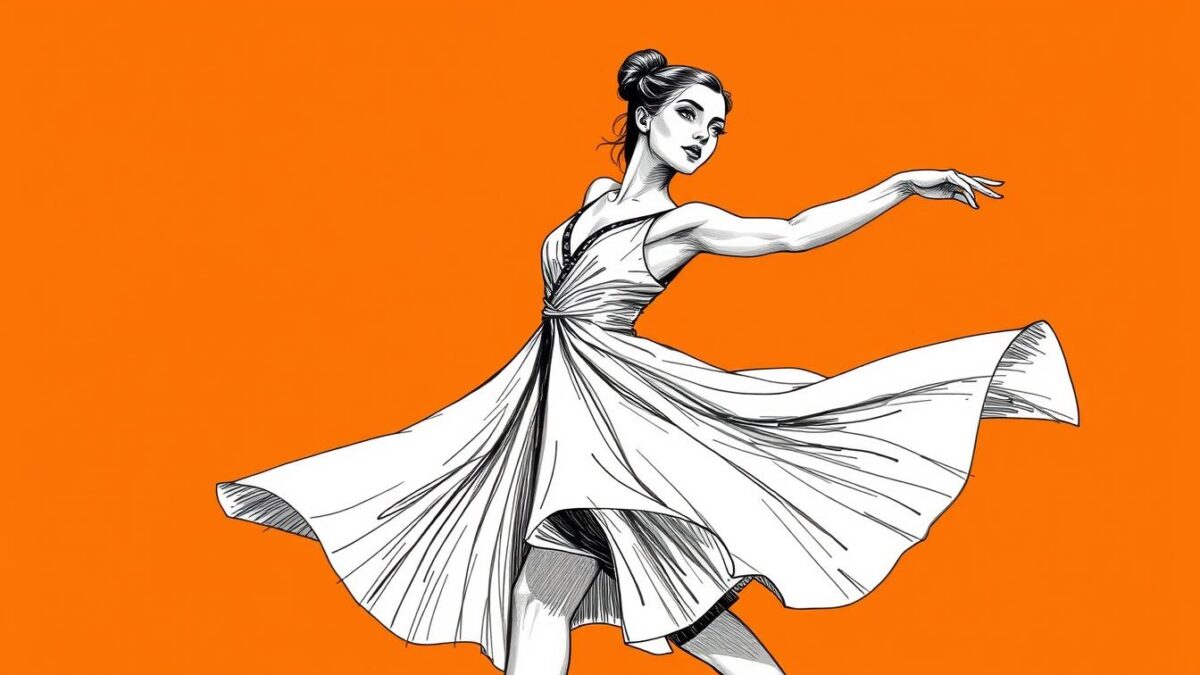
She moved through a century of dance, her career spanning the entire development of modern and contemporary movement. Born in Lyon in 1925, this artist lived to see 97 years, passing peacefully in September 2022.
Her husband Dominique was by her side. They shared 75 years in dance, 71 as creative partners. Their union built on mutual respect and relentless artistic drive.
The dancer commanded stages for over seven decades. She blended classical precision with rhythmic innovation. Her signature style felt both formal and electric, structured yet completely alive.
But she was more than a performer. This artist taught, inspected, researched, and built institutions. Her work still influences how contemporary dance is taught and preserved today.
Tributes poured in following her death. Former Paris Opera dance director Brigitte Lefèvre called her “a true queen of dance.” Choreographer Régine Chopinot honored “the great, the unique” artist.
From Lyon to Paris and across international borders, her legacy stretches far. She never stopped moving forward, refining her craft until the end.
Early Life and Beginnings in Dance
The path to becoming a dance innovator started with childhood lessons at the Lyon Opera. Born in 1925, Françoise Michaud began her training at just five years old. This early start gave her a technical foundation that would last a lifetime.
Childhood and First Dance Lessons at Lyon Opera
Classical ballet provided her first language of movement. The strict discipline of the opera house taught posture, line, and control. She learned to make difficult techniques appear effortless.
Introduction to Dalcroze Eurhythmics
After classical training, she discovered Dalcroze eurhythmics. This method connected music with physical expression. Rhythm became instinct rather than instruction.
| Training Method | Focus Area | Key Principle |
|---|---|---|
| Classical Ballet | Technical Precision | Structured Form and Line |
| Dalcroze Eurhythmics | Musical Response | Rhythm as Natural Movement |
| Hellerau-Luxembourg | Creative Synthesis | Blending Both Approaches |
Hellerau-Luxembourg became her choreographic cradle. There, classical discipline met rhythmic freedom. This fusion created a unique artistic voice that defied categorization.
Career Milestones and Artistic Collaborations
Her career milestones read like a history of contemporary dance’s evolution in postwar France. Each project marked a step forward in how movement could express complex ideas.
Pioneering Contributions to Modern and Contemporary Dance
She created works that blended myth with modern sensibility. Pieces like “Antigone” and “Visage de Terre” carried emotional weight without sacrificing formal clarity.
In 1969, she established the International Contemporary Dance Encounters. This platform let artists exchange ideas and push boundaries. It showed her commitment to the art form’s growth.
Her work with Régine Chopinot’s Ballet Atlantique demonstrated ongoing relevance. She engaged with younger generations rather than resting on past achievements.
Creative Partnership with Dominique Dupuy
The meeting with choreographer Jean Weidt brought together two visionary dancers. This encounter sparked a 71-year partnership that redefined artistic collaboration.
Together they founded Ballets modernes de Paris in 1954. The company ran for 25 years, exploring movement beyond classical constraints. Their partnership was both romantic and creatively essential.
They performed in significant works like “La Cellule” and “La Femme et Son Ombre.” Each piece demonstrated how partnership could become art itself. Their collaborative spirit built a body of work neither could have created alone.
Françoise Dupuy’s Impact on Dance Education and Innovation
Her artistic vision extended far beyond performance into the systems that sustain dance as an art form. She built structures that would train future generations and preserve knowledge.
Role as a Teacher, Researcher, and Dance Inspector
In 1987, she became Dance Inspector at the French Ministry of Culture. This position allowed her to shape national policy. She established the State Diploma, creating formal credentials for dance instruction.
Her work initiated dance education in schools nationwide. She believed movement literacy belonged in general education. As a teacher, she emphasized precision that served expression.
The table below shows her key educational contributions:
| Year | Role | Key Achievement | Impact Area |
|---|---|---|---|
| 1987 | Dance Inspector | State Diploma Creation | National Standards |
| 1990 | IFEDEM Director | Teacher Training Program | Professional Development |
| 1997 | Research Center Founder | Mas de la Danse | Knowledge Preservation |
Establishing Influential Institutions and Archiving Dance History
Starting in 1990, she directed IFEDEM Danse. This institution later became part of the APCND. It focused on training educators rather than just performers.
In 1997, she and her husband created Mas de la Danse. This research center operated for over a decade. After its closure in 2008, they concentrated on archiving their extensive work.
This preservation ensured decades of innovation wouldn’t vanish. Her approach to contemporary dance combined rigor with creative freedom.
Honoring a Timeless Dance Legacy
Her legacy is not confined to the stage but lives on in the institutions and archives that continue to teach her methods. The Centre national de la danse preserves documentary collections of her work. This ensures future generations can study her contributions.
Following her passing, tributes poured in from across the dance world. Brigitte Lefèvre honored “a true queen of dance.” Régine Chopinot celebrated the unique artist, teacher, and researcher.
Françoise Dupuy’s style was a powerful fusion. It blended classical discipline with a modernist sense of freedom. Her movement felt both formal and electrifying, precise yet completely alive.
She was known for her wonderful openness and determination. This generosity shaped her teaching and collaborations. Dupuy built structures for dance to thrive long after the final bow, leaving a legacy that still commands attention.