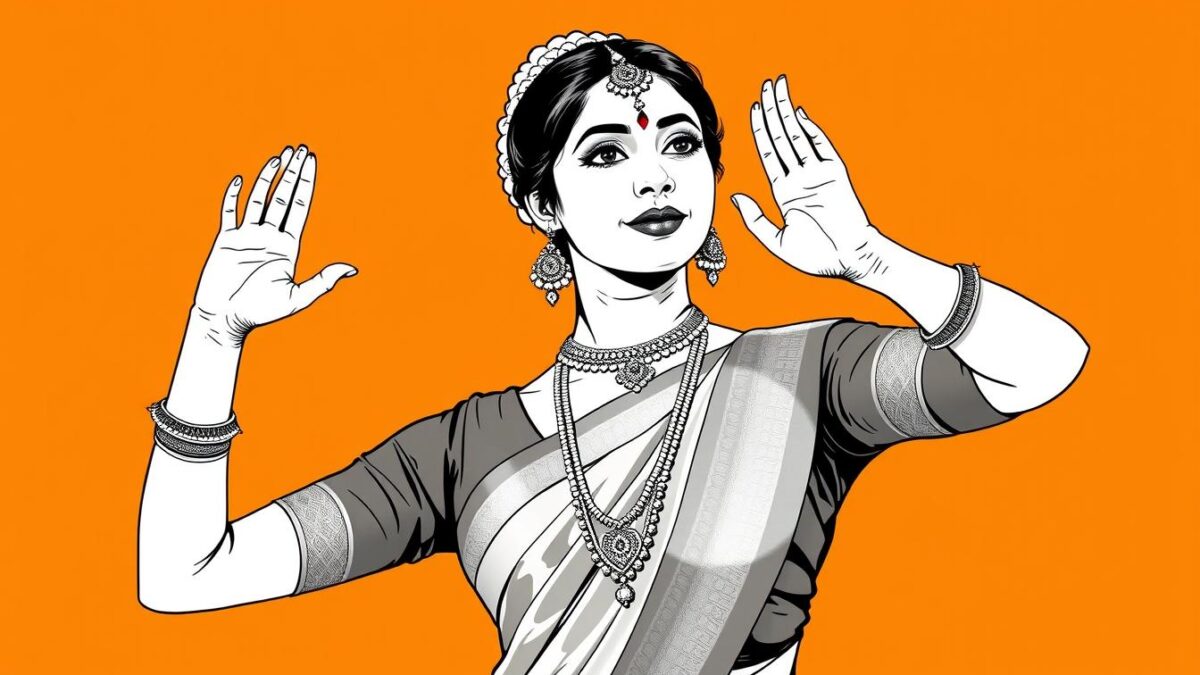
Her story begins in Kolkata, where a young girl’s passion for movement found its purpose. She dedicated herself to Odissi, a graceful and ancient Indian classical dance form. Rigorous training under legendary guru Kelucharan Mohapatra shaped her early career.
This discipline forged a profound artistic identity. It led her to establish the dance troupe Diksha Manjari, a platform for sharing her craft. Her life, however, extends far beyond the performance space.
A deep personal narrative runs parallel to her artistic journey. She married childhood friend Sourav Ganguly, a union that captured public attention. Together, they built a family while she maintained her artistic independence.
Her work now carries Odissi to global stages, from prestigious Indian festivals to workshops at institutions like Cambridge University. This profile traces the path of a dedicated dancer, a cultural ambassador preserving a 2,000-year-old tradition through skill and quiet determination.
Personal Origins and Early Influences
The foundation for a remarkable artistic journey was laid during childhood years in Kolkata’s Behala district. Dona Roy entered the world in August 1976, born into an affluent business family that valued both commerce and culture.
Childhood and Family Background
Her parents, Sanjeev and Swapna Roy, recognized their daughter’s unusual focus and physical grace early. They created an environment where arts received serious attention. This supportive family background proved crucial for her development.
| Influence Category | Specific Details | Impact on Development |
|---|---|---|
| Family Environment | Affluent business family in Behala | Access to quality arts education |
| Early Education | Loreto Convent School student | Academic discipline and rigor |
| Initial Training | Began dance at age three | Early muscle memory formation |
Education and Early Dance Training
Dona balanced prestigious Loreto Convent School academics with demanding dance training. She started studying under Amala Shankar at just three years old. This early start shaped her artistic sensibility profoundly.
The combination of academic discipline and physical training created a strong work ethic. These formative years established patterns that would sustain her career for decades. The Roy and Ganguly families were neighbors, though romance would develop later.
The Formative Years in Classical Dance
A profound shift from child’s play to serious discipline marked her early years. This period defined her relationship with the art form.
Early Mentorship under Amala Shankar and Guru Giridhari Nayek
Training began at age three with Amala Shankar. This early start built a strong foundation in movement.
She later transitioned to Odissi under Guru Giridhari Nayek. He introduced the lyrical, sculptural qualities unique to this classical dance. Her understanding of the form deepened significantly.
Defining Moments with Kelucharan Mohapatra
The most significant development came with Kelucharan Mohapatra. He was a legendary master who revived Odissi.
Mohapatra taught more than steps. He transmitted a philosophy where every gesture embodied devotion. Dance became spiritual practice.
He demonstrated great confidence in Ganguly Dona. The guru often accompanied her early performances on the pakhavaj drum. This honor signaled his belief in her technical command.
These years of rigorous training prepared her for a lifetime in the art. She learned that true mastery serves expression above all.
Landmark Performances and Global Reach
Her artistic journey expanded beyond the studio to embrace national and international platforms. This phase of her career brought Odissi to new audiences across continents.
Signature Performances and Festivals
She built her performance resume across India’s most prestigious venues. The Dover Lane Music Conference in Kolkata showcased her technical mastery. The Konarak Festival against Odisha’s ancient Sun Temple provided a spiritual backdrop.
Her festival circuit spanned India’s cultural diversity. From the River Festival on Kolkata’s waterfront to temple celebrations in Varanasi, each performance adapted to unique settings. Outdoor beach festivals required adjustments for wind and sound.
| Festival | Location | Year | Significance |
|---|---|---|---|
| Dover Lane Music Conference | Kolkata | Multiple | Prestigious winter marathon event |
| Konarak Festival | Konarak, Odisha | Multiple | Ancient Sun Temple backdrop |
| World Expo | China | 2010 | International cultural representation |
| Taj Mohotsav | Agra | Multiple | Large-scale spectacle venue |
Workshops and International Engagements
The Cambridge University workshop marked a career milestone. Ganguly Dona conducted Jesus College’s first formal Odissi introduction. Students learned foundational steps and spiritual philosophy.
Her teaching mission builds bridges through art. She shares Odissi’s technical precision with global audiences. The time invested shows her commitment to cultural exchange.
Dona Ganguly: Artistry, Love, and Legacy
The personal narrative intertwining dance and cricket began with a simple badminton game that changed two lives forever. This love story between artist and athlete would become as compelling as their individual careers.
The Secret Wedding and the Love Story with Sourav Ganguly
A stray shuttlecock landed in a neighboring compound, creating the first conversation between childhood acquaintances. Their friendship grew through quiet moments, leading to a first date at Kolkata’s Mandarin restaurant.
When both families rejected the marriage due to an old feud, the couple took decisive action. They arranged a private wedding at a friend’s home with a registrar present.
Sourav Ganguly, already a rising cricketer, insisted on keeping their union secret from media attention. Only after marrying did they inform their families, who eventually accepted the relationship.
The Role of Art in Personal and Family Life
Dance remained central to her identity within the marriage, never becoming secondary to her role as a cricketer’s wife. The discipline of classical art and professional sport created mutual understanding.
Their relationship demonstrates how two demanding careers can coexist through respect and negotiation. The couple maintained private family time despite public scrutiny, with art providing balance to cricket’s relentless schedule.
The Journey of Diksha Manjari
Establishing Diksha Manjari marked a natural evolution from performer to mentor. The academy opened with legendary singer Lata Mangeshkar presiding over the inauguration. This gesture acknowledged the dancer’s standing across India’s artistic community.
Founding the Dance Academy
Diksha Manjari began as a dedicated space for Odissi training. It now serves over 2,000 students, making it one of Kolkata’s largest cultural institutions. The school preserves the precise techniques Dona Ganguly learned from guru Kelucharan Mohapatra.
Her vision extended beyond creating professional dancers. She wanted to build appreciation for classical Indian art forms. The academy became a center for serious study and cultural preservation.
Expanding Beyond Dance: Yoga, Drawing, Karate, and Swimming
The institution soon added yoga, drawing, karate, and swimming to its curriculum. This expansion reflected an understanding of holistic development. Different disciplines build physical awareness and creative confidence in unique ways.
In October 2012, Dona Ganguly choreographed Rabindranath Tagore’s Shapmochan. She described this production as a sombre dance drama. The work demonstrated Diksha Manjari’s role as both training ground and creative laboratory.
Over the years, the academy has trained hundreds of students. Many continue in professional dance, while others carry their appreciation into different careers. The institution ensures the art form’s transmission to future generations.
Overcoming Challenges and Celebrating Resilience
The arrival of their daughter in 2001 introduced new complexities to an already demanding artistic career. Motherhood required restructuring priorities while maintaining dance commitments and public obligations.
Facing Personal Setbacks and Health Battles
Raising a child within a high-profile cricket family meant navigating intense public curiosity. The artist established careful boundaries to protect family privacy while supporting her husband’s career.
In October 2022, a serious health challenge emerged. She contracted Chikungunya, a mosquito-borne disease causing severe joint pain. Hospitalization at Woodlands Hospital tested the resilience built through decades of dance discipline.
Their daughter Sana Ganguly has since carved her own professional path. She works as a consultant for INNOVERV, earning substantial income independent of her parents’ fame. This achievement represents pride for both families.
The evolution from families once divided to united grandparents celebrating Sana’s success shows multi-generational healing. Love and time ultimately overcame old feuds.
Throughout these challenges, the dancer maintained her artistic identity separate from being a cricketer’s wife. She balanced public attention with personal space, ensuring her craft remained the primary identifier.
Embracing a Timeless Legacy in Indian Culture
The journey from childhood neighbors to cultural icons represents a uniquely Indian story of art and sport. Their marriage defied family expectations yet grew into a partnership supporting two demanding careers. The dancer maintained her artistic identity while the cricketer became a national captain.
Sourav Ganguly’s early cricket debut saw quick dismissal, but his Lord’s century redemption preceded their wedding. This determination mirrored his wife’s own discipline in Odissi. Their love story now reaches new audiences through an announced biopic.
Recent events like Sourav’s car accident remind us of life’s fragility amid professional transitions. He now mentors women’s cricket while serving as sports director. His partner continues teaching and performing, preserving ancient dance forms.
True legacy lives through the thousands she trained and the audiences she moved. Their story spans generations, showing how art and sport can coexist through mutual respect. It remains an inspiring chapter in India’s cultural narrative.