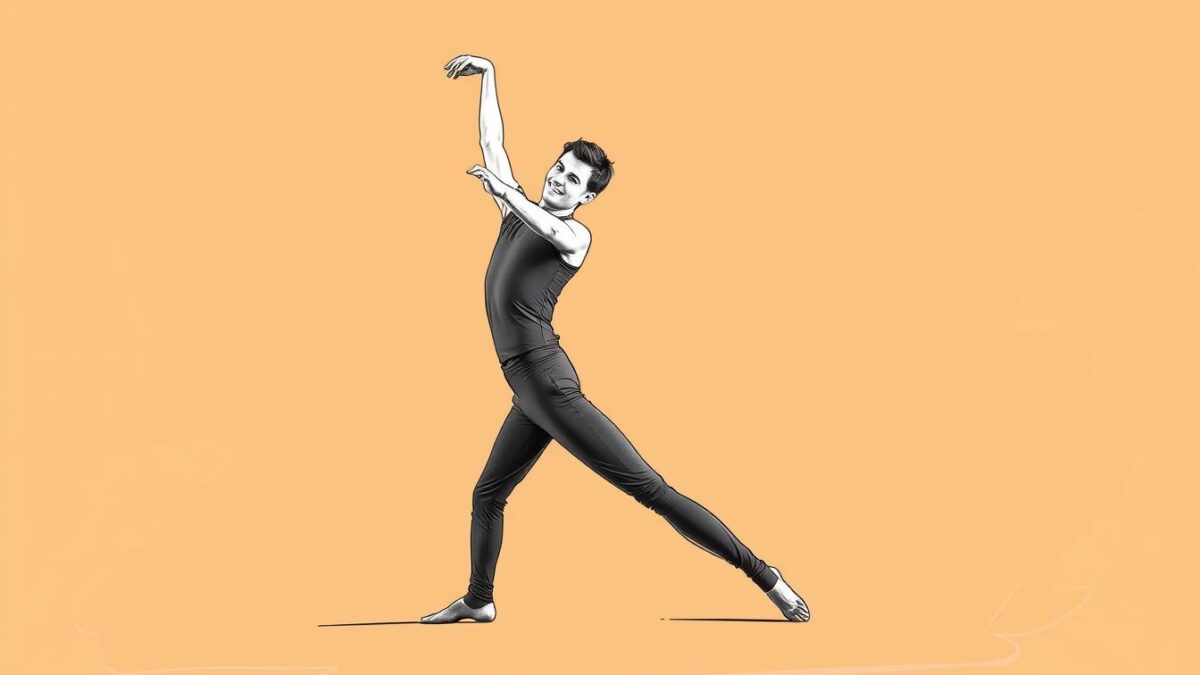
Alastair Marriott built a remarkable career over two decades with The Royal Ballet. His journey within the company showcased a rare artistic versatility. He moved from dancer to soloist, then to a Principal Character Artist.
This role demanded a special blend of technical skill and deep theatrical presence. He became known for vivid interpretations in the classical repertory. His performances in works by Ashton and MacMillan were particularly noted.
In 2019, he made a significant shift. Marriott left the company to focus entirely on his work as a choreographer. This move reflected a long-standing creative development behind the scenes.
His choreographic output quickly earned serious recognition. His ballet “The Unknown Soldier” received an Olivier Award nomination. Other accolades included nominations from the Critics Circle and Russia’s Goldenmask award.
His story is one of transformation and commitment to craft. It represents a complete artistic journey rooted in the traditions of British ballet while consistently pushing its boundaries forward.
Early Beginnings and Dance Training
Before the discipline of classical training, there were tap shoes and silent character roles that revealed an early theatrical instinct. His mother, a dancer herself, recognized the spark first. She enrolled him in classes while his father needed more convincing.
Young Alastair Marriott competed in ballet but preferred tap and song. When his voice couldn’t carry a melody, teachers dressed him as characters instead. He became Oliver Twist, a tramp, or Tom from the Water Babies. These silent roles let his expression and gesture shine.
Foundations at the Royal Ballet School
Expecting something like the movie “Fame,” he arrived at White Lodge unprepared for the reality. He knew cartwheels and splits but had never done proper barre work. Watching his parents drive away, he realized this would be nothing like he imagined.
The Royal Ballet School demanded rigorous classical structure. Over five years at White Lodge and three at the Upper School, he absorbed the foundation of British ballet training. He learned to channel his natural theatricality into formal technique.
Transformative Years at White Lodge
His final year included an extensive tour with both Royal Ballet companies. Traveling to the Far East and Australia, he spent only a third of the year in the UK. This apprenticeship placed him onstage alongside principal dancers.
The tour taught him professional stamina and stage presence. By the time he received his contract, the boy who loved tap had become a dancer fluent in classical vocabulary. The ballet school had shaped his raw talent into professional skill.
Alastair Marriott: Defining Moments in a Stellar Dance Career
His first day with the company should have been celebratory. Instead, it marked the beginning of a long battle back to health. The dancer contracted meningitis, likely from his recent tour, and spent months recovering.
Monica Mason offered crucial support during this difficult period. She gave practical advice: lie down if needed, rebuild strength gradually. This patience helped him return to the stage.
Rise Through the Ranks at the Royal Ballet
His comeback role was a modest courtier in Cinderella. But soon, major opportunities arrived. His first significant part came as Florestan during a Miami tour.
The dancer found deeper satisfaction in Winter Dreams and Scènes de ballet. Partnering Lesley Collier in Washington proved unforgettable. Her gracious curtain call acknowledgment meant everything to the young performer.
Iconic Performances and Award Nominations
As a Principal Character Artist, he mastered complex roles. Von Rothbart, Drosselmeyer, and Dr. Coppélius showcased his range. His Ugly Sister interpretation sparked debate by returning to original choreography.
With Jonathan Howells, he explored creative freedom in productions like Manon. Their character work balanced humor with genuine pathos. This theatrical intelligence would later inform his choreography.
Choreography and Collaborations in the Dance World
Choreography emerged not as a planned career path but as an organic extension of his dance experience. The choreographer began creating works in his early thirties, starting with “Tanglewood.” This first act tested whether he could make a ballet he would want to perform himself.
His approach to creating works prioritizes music above all. The score guides the movement in a process grounded in instinct rather than theory. This method developed from decades of interpreting other people’s choreography from the inside.
Innovations on Stage and Behind the Scenes
Over the years, he created seven one-act ballets for The Royal Ballet. Each production explored different themes and movement vocabularies. His most recent work, “The Unknown Soldier,” earned an Olivier Award nomination in 2019.
This recognition validated his decision to leave performing. His choreographic honors include three Critics Circle nominations. A Goldenmask nomination in Russia showed his work resonated internationally.
Collaborative Works with Christopher Wheeldon and Fellow Choreographers
The collaboration with Christopher Wheeldon proved particularly significant. Their joint work “Trespass” was part of the Metamorphosis: Titian 2012 project. This collaboration demonstrated his willingness to share creative space.
Another notable collaboration with Christopher Wheeldon occurred at the London 2012 Olympics. They created the ceremonial extinguishing of the flame. This production required precision and emotional resonance before a global audience.
His range extends beyond main stage works. He created pieces for Darcey Bussell and The Royal Ballet School. Recent projects include additional choreography for The New National Ballet of Japan’s “Giselle.”
Looking Forward: Legacy and Future Impact on Dance
International stages from Paris to Los Angeles now showcase works that embody a unique historical perspective. Alastair Marriott belongs to the last generation of Royal Ballet dancers who worked directly with founders like Ninette de Valois and Kenneth MacMillan. This direct access gave him more than steps—it gave him context.
He worries about what gets lost when dancers learn roles only from video. Without personal coaching from creators, nuance and intent fade. His creative menu expands with each new production, carrying forward traditions he learned firsthand.
His approach as a character artist emphasized truth and craft. Friendships with legends like Svetlana Beriosova provided living history lessons. Now his works tour globally, proving artistic vision translates across cultures.
The menu of his legacy continues to grow. Each ballet adds another layer, bridging British ballet’s past with its future. His impact ensures foundational values survive in a new century.