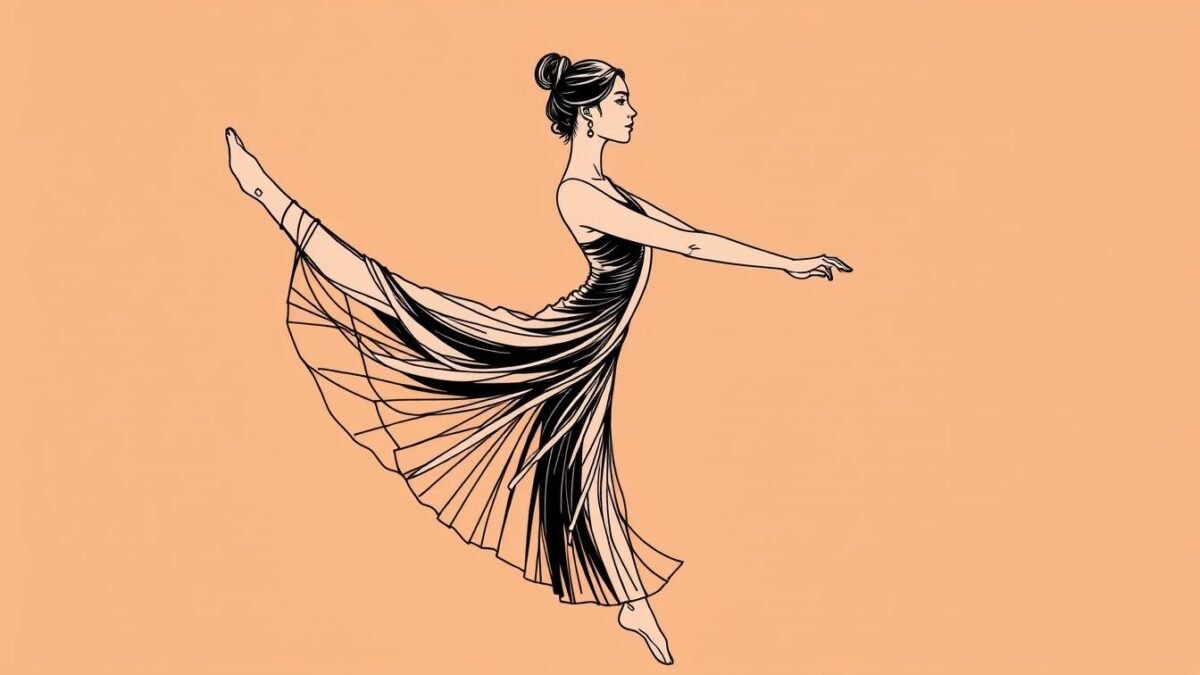
A young talent from Japan made a striking debut on the national stage. At just 13 years old, she represented Nashiki Ballet Studio in a major youth ballet competition.
Her performance showcased a rare versatility. She excelled in both classical and contemporary dance categories during the same season.
This dual focus is uncommon for junior dancers. Most specialize early, but she demonstrated impressive range.
In the classical division, she earned a third-place tie. This achievement placed her among the top three female competitors in her age group.
She faced dancers from renowned institutions like BALLET・LE・COEUR and Minato City Ballet School. The judging standards were rigorous, testing different technical skills.
Beyond the podium, her contemporary dance entry also impressed. She secured a spot in the Top 12, proving her artistic adaptability.
Highlighting Tamaki Osawa’s Most Memorable Dance Performances
In a field dominated by prestigious academies, her dual-category success signaled a new level of artistic range. The competition structure intentionally separated classical and contemporary disciplines, recognizing their distinct training requirements.
Standout Moments on Stage
Her classical performance demanded technical precision in traditional ballet vocabulary. Judges evaluated turns, jumps, and extensions against established choreographic standards.
The third-place tie with Anne Takahashi revealed closely matched technical abilities. Both dancers demonstrated comparable mastery despite different training approaches.
Accolades from Prestigious Competitions
Contemporary dance required different movement qualities—floor work and expressive freedom. This contrasted sharply with classical ballet’s structured formality.
Placing in the Top 12 for contemporary while securing a podium finish in classical showed remarkable versatility. This skill separates technically competent dancers from artistically adaptable performers.
First-place finishers typically came from well-established institutions. Yet Osawa’s success from Nashiki Ballet Studio proved that strong coaching and individual talent can compete with larger academy resources.
A Journey Through Major Dance Competitions
Three distinct age brackets defined the competitive landscape, each with specific technical demands. The youth ballet competition structure separated dancers into Pre-Competitive (9-11), Junior (12-14), and Senior (15-20) divisions. This dance division categories system ensured fair judging against developmental peers.
Insights from Classical Dance Categories
Classical divisions required traditional technique. Women performed variations from Swan Lake and Sleeping Beauty. Men demonstrated strength in jumps and turns.
Judges evaluated precision against established standards. Top 12 placements recognized depth beyond podium finishes.
Contemporary Dance Highlights and Rivalries
Contemporary categories favored creativity and emotional expression. Movement vocabulary included floor work and modern choreography.
Notable rivalries emerged in junior women’s categories. Anne Takahashi placed second in contemporary while tying with Osawa for third in classical.
Junior and Senior Division Milestones
The Junior division served as crucial preparation. Senior competitors aged 15-20 faced varied experience levels.
No Grand Prix awards highlighted the competitive ballet Japan field’s depth. Multiple schools placed dancers across categories, showing institutional strength.
Legacy Reflected in Dance Records and Family Tributes
Competitive results provide a snapshot of skill, but the infrastructure of Japanese ballet training tells a deeper story. It’s a system where talent emerges from many sources, not just a few famous names.
This landscape values documented achievement. A placement becomes a permanent part of a dancer’s history.
Understanding the Competitive Dance Landscape
Japan’s ballet academy system is notably decentralized. A single competition can feature students from over fifty different studios.
They range from large urban academies to small regional schools. This diversity proves that strong training exists at every level.
Success is not limited to elite programs. Podium placements regularly come from a wide array of institutional backgrounds.
- Major institutions like K-BALLET ACADEMY
- Mid-tier studios like Nashiki Ballet Studio
- Smaller, regional training centers
This structure creates a fair and robust field. Dancers are judged on merit, not their school’s reputation.
Tributes and Family Legacies in Dance
The journey requires immense support. Family structures often provide the financial and emotional foundation for years of training.
Travel, costumes, and coaching fees add up. This support system is a silent but crucial part of any success story.
Sometimes, a passion for dance spans generations. Potential family connections hint at a rich dance family heritage that can inspire and guide younger artists.
These personal tributes and documented records together shape a lasting legacy. They show the full picture of a dancer’s world.
Final Thoughts on Tamaki Osawa’s Enduring Impact
The true measure of a young dancer’s impact often reveals itself long after the final bow. Tamaki Osawa’s dual success at age 13 remains a significant youth ballet achievement.
It demonstrated a modern path for Japanese dance talent. This approach values versatility as much as technical specialization.
Such a record opens doors to advanced training and scholarships. It validates the coaching at regional studios, proving they can compete with major urban academies.
Her story contributes to a broader competitive ballet legacy. It inspires younger students and shows that artistic range builds a lasting foundation for any creative future.