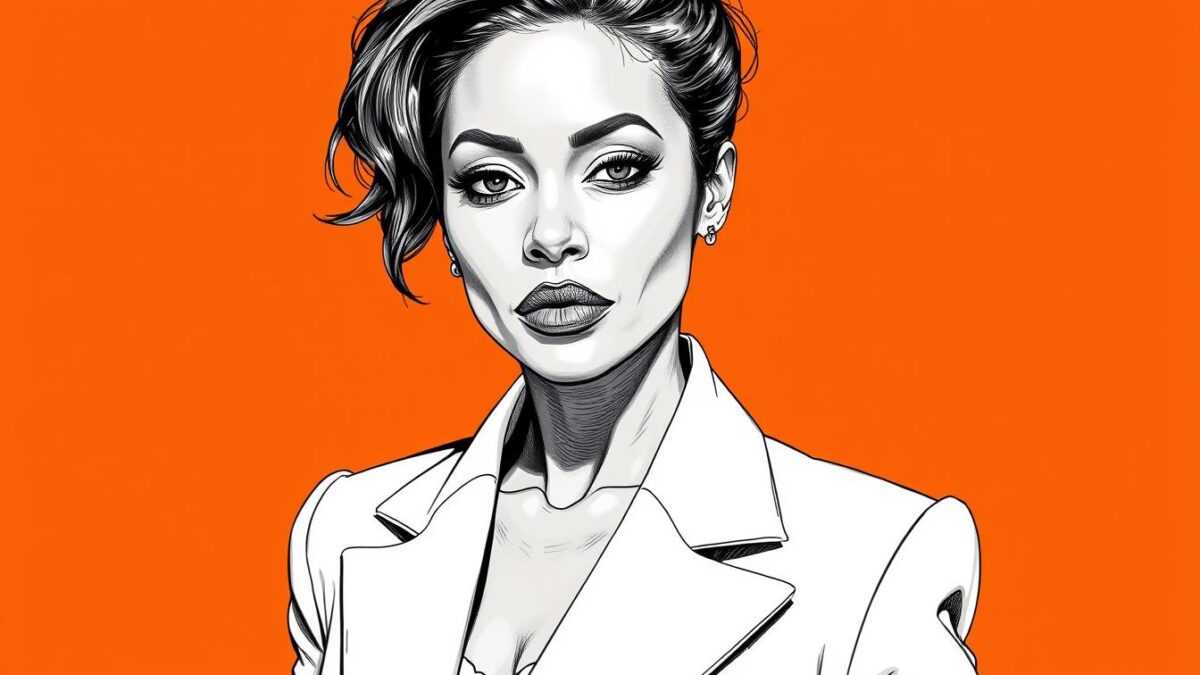
Vanda Maria Ribeiro Furtado Tavares de Vasconcelos began life far from the spotlight. She was born in a small Portuguese village on June 17, 1962. Her journey to fame started with a new identity.
She chose the stage name Lio from a character in the Barbarella comics. This transformation marked the start of an extraordinary career. By her late teens, she had become a pop sensation across Europe.
Her music blended infectious pop melodies with a unique artistic vision. The sound captured the spirit of the 1980s. It made her an icon in France and Belgium almost overnight.
But singing was just one part of her creative expression. She also built a successful acting career. Her talents extended beyond performance into fashion and television judging.
This is the story of how a Portuguese girl became a European star. It explores the woman behind the famous name. Her legacy continues to inspire new generations of artists.
Early Life and Musical Beginnings
A communist doctor delivered her. This detail hints at the unconventional life that would follow for the young Vanda. Her early years were a tapestry of movement and change.
Her Portuguese Heritage and Family Roots
Vanda Maria Ribeiro Furtado Tavares de Vasconcelos was born in Mangualde, Portugal. Her grandfather, Dino, was not just a doctor but a significant influence. His strong political beliefs left a mark on her.
Her father’s call to army duty moved the family to Mozambique. This period was short-lived. Her parents divorced, leading to another major shift.
In 1968, she moved to Brussels with her mother and stepfather. Her sister, actress Helena Noguerra, was born there. This created a new family dynamic in a new culture.
Transition to Belgian Culture and Early Inspirations
Brussels became her home. As a teenager, she attended Athénée royal Isabelle Gatti de Gamond. She was fiercely determined to sing.
Family friend Jacques Duvall, a songwriter, saw her potential. He encouraged her ambitions. This support was crucial for her confidence.
In 1979, she chose a new identity. She took the name Lio from a character in the Barbarella comic. This character carried vital images for survival, a fitting symbol for her own journey.
Her long Portuguese name represented a proud lineage. Her new, short stage name signaled a bold future. This blend of old and new defined her unique artistic voice.
Rise to Fame: Career and Pop Iconography
The year 1979 marked a dramatic turning point with a debut single that defied expectations. Working with songwriters Jay Alanski and Jacques Duvall, the young singer began an extraordinary journey.
Breakthrough Hit with “Le Banana Split” and Early Success
Her first single became an instant phenomenon. “Le Banana Split” sold over one million copies, topping French charts. The song’s innocent pop sound masked clever lyrical depth.
Collaboration with electronic trio Telex brought modern production to her work. Marc Moulin and Dan Lacksman produced her self-titled debut album. This partnership grounded her voice in new wave sophistication.
Innovative Collaborations with Telex, Sparks, and John Cale
The singer continued pushing creative boundaries. Her second single “Amoureux solitaires” showed genre versatility. Originally a punk track, she transformed it into pop gold.
In 1982, American duo Sparks worked on Suite sixtine. This album translated previous songs into English for international appeal. The project expanded her reach beyond French markets.
Los Angeles sessions for Pop model featured John Cale of Velvet Underground. His avant-garde influence added credibility to her pop foundation. Hits like “Fallait pas commencer” emerged from this collaboration.
Venturing into Acting and Cinematic Appearances
1983 brought her film debut in Chantal Akerman’s Golden Eighties. She played a carefree hairdresser in this Parisian musical. This role marked her first step into acting.
After motherhood in 1987, she returned to cinema. Claude Lelouch’s Itinéraire d’un enfant gâté showcased her growing acting skills. She balanced multiple creative identities with grace.
| Year | Career Achievement | Significance |
|---|---|---|
| 1979 | “Le Banana Split” single release | Million-selling debut, chart-topping success |
| 1980 | Self-titled debut album | Telex collaboration, new wave production |
| 1982 | Suite sixtine album | Sparks collaboration, English translations |
| 1983 | Golden Eighties film debut | First acting role, musical performance |
| 1986 | Pop model album | John Cale production, LA recordings |
The Legacy of Lio Wanda Ribeiro: Music, Film, and Cultural Impact
Her legacy extends far beyond the chart-topping hits of the 1980s. It encompasses a rich and varied artistic journey across decades.
This path shows an artist who continually reinvented herself. She moved from pop sensation to a respected interpreter of poetry and song.
Discography Highlights and Iconic Albums
The 1990s brought a shift. Her 1991 album, produced by Étienne Daho, faced promotional challenges despite creative freedom.
Later works like 2000’s Lio chante Prévert demonstrated her maturity. She interpreted French poetry with a delicate touch.
Her 2018 project, Lio Canta Caymmi, was a critical triumph. This album featured covers of Brazilian composer Dorival Caymmi.
It was her first full album in Portuguese. Critics praised its restrained elegance and heartfelt delivery.
Influence on French and Belgian Pop Culture
Her influence is not measured by charts alone. She shaped a moment of European pop that embraced experimentation.
She balanced a prolific career with family life, modeling a unique version of female artistry. Her work in theater and as a TV judge on shows like The Voice Belgique cemented her status.
Even her previous songs found new life. Tracks like “Mona Lisa” were sampled by new generations of artists in house and EDM music.
Ribeiro Furtado’s impact is enduring. She remains a symbol of creative fearlessness and cultural fusion.
Reflections on a Timeless Pop Icon
Her full name, Vanda Maria Ribeiro Furtado Tavares de Vasconcelos, tells a story of heritage that preceded fame. The traditional Portuguese structure honors both maternal and paternal lineages. This rich background informed every creative choice.
Belgium recognized her cultural impact in 2004 with a knighthood. Her 2005 autobiography Pop model revealed the woman behind the stage name. It showed an artist who refused to be confined by expectations.
She never chose between music and film, pop and poetry. Her work embraced contradiction across five decades. Few artists maintain such relevance from 1979 onward.
The legacy lives in fresh-sounding songs and inspired new artists. It proves that authentic reinvention creates lasting impact. A Portuguese girl became a European icon through sheer creative fearlessness.