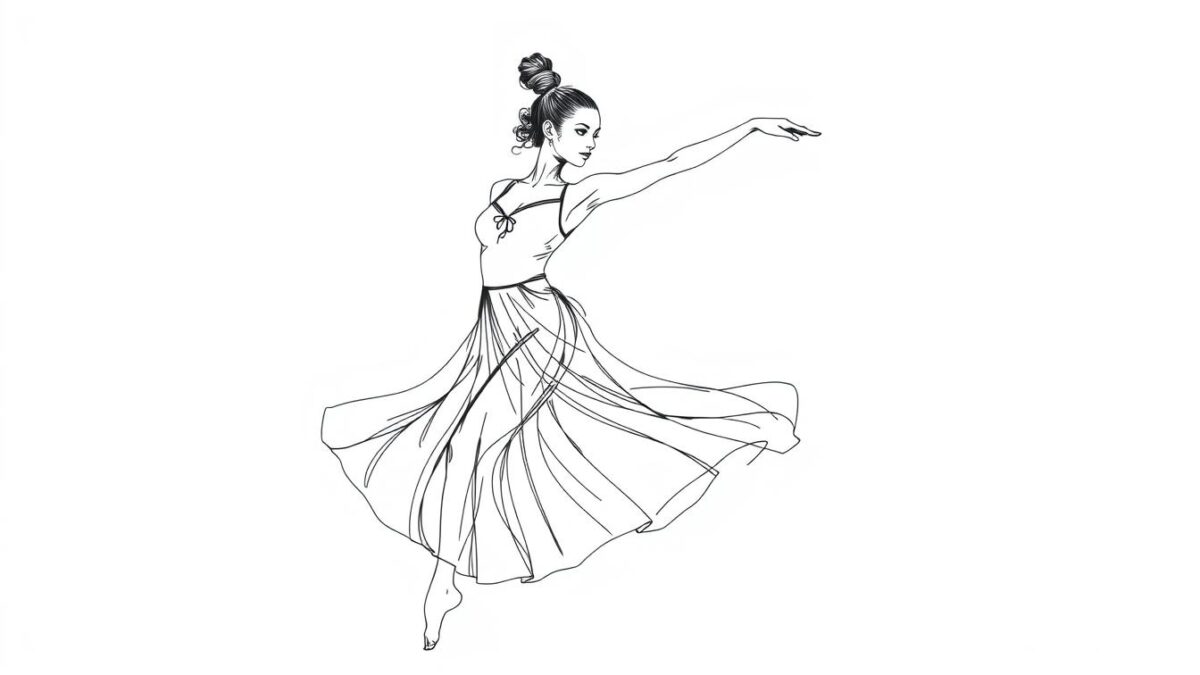
For over five decades, this performer has shaped Canadian dance and theater. Her journey began with classical ballet training at just four years old. A childhood obsession with movement set the course for an extraordinary career.
She soon moved beyond ballet’s rigid structures. Her tall frame and creative spirit led her toward jazz and television dance work. Contemporary movement offered the artistic freedom she craved.
The artist became a founding member of One Yellow Rabbit, a groundbreaking Canadian theatre ensemble. There, she developed her skills across multiple disciplines. She worked as a choreographer, actor, playwright, and director.
Her approach values craft and precision with a punk-rock DIY ethic. She prioritizes experiential learning over formal training. Today, she mentors emerging performers through her Beautiful Young Artists program.
Clarke demonstrates how an artist can evolve while maintaining rigorous standards. She creates spaces that feel both safe and boundary-pushing. Her legacy continues through the generations she now guides.
Introducing the Journey of Canada’s Dancer Star
An obsession with movement, starting at age four, charted the course for a remarkable 55-year career. It was a pure, driving force that shaped how she moved through the world.
Classical ballet training provided a foundation, but its rigid requirements soon felt confining. Her unique physique and creative spirit demanded a different path. She pivoted toward jazz, television work, and the expressive freedom of contemporary dance.
This was not a linear career. It was guided by a fierce commitment to doing the thing that felt most alive. A life in performance meant constant adaptation.
The right people recognized her raw drive early on. They helped channel her energy into spaces where her talents could truly expand.
She built a body of work that defies simple labels. It flows between dance, theatre, choreography, and direction. Her story proves that a lasting career compounds skills and experiences over time.
Clarke offers a blueprint for artistic longevity. Stay rigorous. Stay playful. Never, ever stop learning.
Early Inspirations and Artistic Roots
Before she could even spell her own name, her body was already learning its first language. Movement came naturally, a primal form of expression.
This innate rhythm found structure early. Her family supported a serious commitment, enrolling her in classical ballet on her fourth birthday.
Family Heritage and Childhood Memories
From that very first day, the studio became a second home. The discipline was immense for a young child.
While specific details about her mom and home life are scarce, the environment clearly valued artistic dedication. It allowed for the long hours of practice ballet demands.
She absorbed the fundamental things that would define her career. The vocabulary of positions and steps became a second nature.
Artistic Influences and Early Passions
Her early passion was more than just steps. It was about translating feeling into physical form.
The training gave her an unshakable technical foundation. This classical rigor later empowered her to break rules with confidence.
She learned core principles that applied to any movement style:
- Precise musicality and rhythm
- Spatial awareness on stage
- The discipline of daily practice
- How to constructively use correction
Clarke also learned what she needed to leave behind. The restrictive aspects of classical ballet pushed her toward more expressive forms. This early chapter built the bedrock for everything that followed.
The Transformative Path in Dance and Theatre
Sometimes the most important work happens when you stop forcing the wrong fit. The artist’s journey through different movement forms shows how listening to your body can lead to greater creative freedom.
Classical Beginnings and Rigorous Training
Classical ballet provided a strong technical foundation. The discipline of daily practice built essential skills that would last a lifetime.
But the form demanded specific physical things that didn’t align with her natural build. The pressure to maintain an unnaturally thin frame became unsustainable over time.
Transition to Contemporary Movement
She made a smart pivot toward jazz and television work. These styles celebrated her height and strength rather than fighting against them.
This period allowed her to accumulate a lot of technical versatility. She developed what she calls “huge chops” across multiple dance forms.
| Aspect | Classical Ballet | Contemporary Movement | Impact on Artist |
|---|---|---|---|
| Physical Requirements | Specific body type, extreme thinness | Varied body types accepted | Liberating for non-traditional build |
| Technical Focus | Perfect lines, precision | Expressive quality, originality | Built foundation for creative freedom |
| Career Opportunities | Limited classical companies | Theatre, TV, independent work | Expanded professional possibilities |
| Artistic Expression | Structured, traditional | Experimental, personal | Allowed authentic voice to emerge |
The transformation wasn’t about abandoning discipline. It was about redirecting rigorous training toward forms that honored both body and creative spirit.
Denise Clarke’s Career Milestones
A collaborative environment became the catalyst for expanding her creative boundaries. Joining One Yellow Rabbit marked a pivotal moment in her career.
Breakthrough Moments in Performance
She began as an actor with the ensemble. The company quickly recognized her range. Within a year, she was writing and directing her own work.
This breakthrough allowed her choreographic and theatrical instincts to merge. She created performance pieces that felt urgent and alive.
Influential Collaborations and Mentorship
The people around her became creative family. Michael Green’s fearlessness gave Clarke permission to take risks. Blake Brooker’s precise aesthetic raised the bar for everyone.
These relationships were built on deep trust and shared values. They weren’t just professional connections. They became true friends who believed in her work.
Mentors in the broader artistic community also shaped her path. These important relationships continue to challenge and support her creative journey.
Beyond Dance: Embracing Film, Music, and Storytelling
The artist’s canvas expanded far beyond the stage, embracing the narrative power of film and music. This multidisciplinary approach became a natural extension of her storytelling instincts.
Her creative process is deeply hands-on. She writes the stories, operates the camera, and composes the music herself.
Integrating Cinematography and Music
Early encouragement from her mom to follow her dreams fueled this exploration. A childhood gift of a VHS camcorder sparked a lifelong passion for making films.
This work often involves her entire family. Her children contribute as actors, writers, and special effects artists.
Projects like the webisode series “The Wards” demonstrate her ambition. These films tackle complex themes of spirituality and redemption with care.
| Creative Arena | Theatre & Live Performance | Film & Recorded Media |
|---|---|---|
| Primary Focus | Live audience, immediate energy | Permanent record, controlled perspective |
| Collaboration Style | Ensemble-based, real-time | Often family-integrated, edited in stages |
| Technical Skills | Choreography, stage presence | Cinematography, editing, music composition |
| Narrative Tools | Bodied movement, spoken word | Visual composition, musical score, editing |
Music adds a critical emotional layer to her films. It allows the story’s beats to land with greater precision. For Clarke, no single medium can contain a full story.
These personal films represent a belief that an artist’s tools should be as vast as their imagination.
Trust and Community in Creative Spaces
At the heart of One Yellow Rabbit’s enduring success lies a simple, powerful word: fun. For Clarke, this was never about frivolity. It defined a professional space built on respect and a refusal to tolerate toxic behavior.
This philosophy created a healthy atmosphere long before “safe spaces” became common practice. The company understood that real creative freedom needs deep trust.
Cultivating Mentorship and Safe Environments
Clarke carries this principle into her Beautiful Young Artists program. She establishes trust with the young people from the start. She invites honest conversation if a line is crossed.
But she also asks them not to police her every word. Constant monitoring stifles the free flow of language needed for real learning. It’s a really good balance that treats students as capable.
She references thinker Milan Kundera’s idea about creative relationships. Crossing boundaries must be nonjudgmental to allow for risky, original work. The people around her respond to this approach because it builds resilience.
Clarke’s belief is clear. If you are always proving you can be trusted, then trust does not exist. And without that foundation, the best work cannot happen.
The Intersection of Art, Rigor, and Modern Technology
Professional standards in the performing arts face new tests in an era of remote learning and digital shortcuts. Clarke observes a troubling decline in what she calls “chops”—the fundamental skills that separate serious artists from amateurs.
Balancing Tradition with Digital Innovation
Digital tools offer exciting new ways to create. Special effects and editing software open creative possibilities. But technology shouldn’t replace core discipline.
Clarke sees younger artists struggling with basic technique. Beautiful posture becomes inconsistent. Language skills suffer with mispronounced words. These things matter for professional work.
The COVID era created particular challenges. Remote learning missed key lessons about showing up on time and reading contracts. Professional conduct took a hit when exhaustion became an excuse.
Refining Technique and Performance Excellence
Rigor means holding standards that make art worth an audience’s time. It’s not about being harsh. It’s about doing the work correctly every time.
If a character requires erect posture, that’s work maintained consistently. Language demands precise pronunciation. These skills build artists who get taken seriously.
Clarke learned through correction and extends the same courtesy. She gently fixes pronunciation and asks students to analyze how characters speak. This approach builds undeniable skills over time.
Overcoming Industry Challenges and Personal Obstacles
When artistic standards begin to slip, the entire ecosystem faces serious consequences. Clarke observes troubling patterns in major theatre productions today.
She sees shows that feel rushed and incomplete. The work lacks the precision that audiences deserve.
Lessons Learned from Adversity
Big houses are producing under-rehearsed performances with sloppy staging. This approach worries her deeply. Audiences will forgive a lot of things, but not consistently disappointing experiences.
The industry undergoes necessary changes around equity and representation. Clarke fully supports this evolution. But she insists rigor cannot be sacrificed in the process.
She has difficult conversations with young BIPOC artists. Yes, the pressure on them is real and unfair. But they must stay excellent despite the challenges.
Buying into narratives of struggle doesn’t serve anyone. It lowers the bar when sharp, thrilling work is needed. Her way through adversity focuses on what she can control: her own craft and standards.
The job has always been hard for everyone. There’s no real money or security. The only rational response is to do the work well enough that the thrill justifies the sacrifice.
Advice and Inspiration for Emerging Artists
Navigating a career in the performing arts demands more than just talent—it requires strategic persistence. The artist offers bracingly direct guidance for young performers facing today’s industry challenges.
Insights for Aspiring Performers
Her advice centers on maintaining rigorous standards while building practical experience. Graduating with a degree is just the beginning—the real work starts afterward.
She emphasizes that young artists must accumulate stage time and audition experience consistently. Professional habits like reading contracts and showing up prepared matter deeply.
| Effective Approach | Ineffective Approach | Long-Term Impact |
|---|---|---|
| Consistent audition practice | Waiting for perfect opportunities | Builds confidence and resilience |
| Reading all contracts thoroughly | Skipping details due to excitement | Prevents career-limiting mistakes |
| Performing in any available venue | Holding out for major stages only | Develops versatile performance skills |
| Staying prepared between jobs | Relaxing standards during downtime | Maintains professional readiness |
Encouraging Risk-Taking with Confidence
Clarke challenges young people to embrace the industry’s difficulties with clear-eyed realism. If you’re not willing to handle constant rejection, find work that makes you happier.
She believes the job ultimately rewards those who love it enough to persist through challenges. The people who succeed are those who stay excellent at their craft.
Exploring Life Beyond the Spotlight
Behind the public performances lies a private world where artistic practice becomes a family tradition. Clarke built a creative ecosystem within her own home.
Family Life and Personal Growth
As a stay-at-home mom, she integrated her three children into daily artistic work. Her hands guided them through painting, acting, and storytelling from an early age.
Outdoor adventures became creative workshops. Technology and special effects became family projects. This approach kept her artistic skills sharp during parenting years.
Her children became collaborators in films like “The Wards” web series. They learned to write stories and handle cameras. The line between family life and creative work blurred beautifully.
| Aspect | Professional Creative Practice | Family-Integrated Creativity | Benefits |
|---|---|---|---|
| Learning Environment | Formal studios, rehearsal spaces | Home, outdoors, daily routines | Accessible, constant practice |
| Collaborators | Professional artists, companies | Children, family members | Authentic, multi-generational |
| Skill Development | Structured training programs | Hands-on projects, experimentation | Organic, self-directed growth |
| Creative Output | Public performances, exhibitions | Family films, personal projects | Intimate, meaningful work |
This integrated approach created a tight-knit creative community. Her family became her most important artistic partners. They built a world where creativity flowed naturally every day.
The artist proved that motherhood and artistic practice can enrich each other. Her hands shaped both professional work and family life with equal care. She modeled the creative discipline she valued for the next generation.
Embracing New Horizons and Future Endeavors
Upcoming projects reflect a commitment to both craft evolution and community building. The artistic journey continues across multiple fronts, each demanding its own focus.
Upcoming Projects and Creative Visions
The Beautiful Young Artists program remains central to her community engagement. This mentorship work passes on both technical skills and creative philosophy.
Film projects continue to expand her storytelling range. “The Wards” webisode series explores themes of faith and redemption with careful nuance. Short films tackle intimate subjects like heartache and personal transformation.
Her creative process draws inspiration from filmmakers who blend emotion with social commentary. Quentin Tarantino, Steven Spielberg, and Jordan Peele influence her approach to genre and narrative structure.
Technology’s evolution interests her as it transforms the creative business. New tools for special effects and editing offer possibilities that didn’t exist earlier in her career.
Each new piece reflects core values: precision, honesty, and a refusal to settle for mediocrity. The industry benefits when artists maintain these standards while embracing innovation.
Final Reflections on an Inspiring Journey
The most powerful legacy an artist can leave is not a single masterpiece, but a living philosophy of work. Clarke’s 55-year career offers a rare model for this kind of longevity. It proves a lasting career is built on craft, not celebrity.
She moved through many roles, accumulating a vast set of skills. Her process values experiential learning above all. You learn by doing the thing, failing, and trying again with better information.
She built creative spaces that are both safe and brave. This philosophy has shaped the industry and the people within it. She pushes others because she believes they’ve got what it takes.
Her advice comes from a place of deep faith in disciplined people. The integrity of each piece matters most. Clarke’s story shows that a life in the arts demands courage, curiosity, and the will to keep showing up.