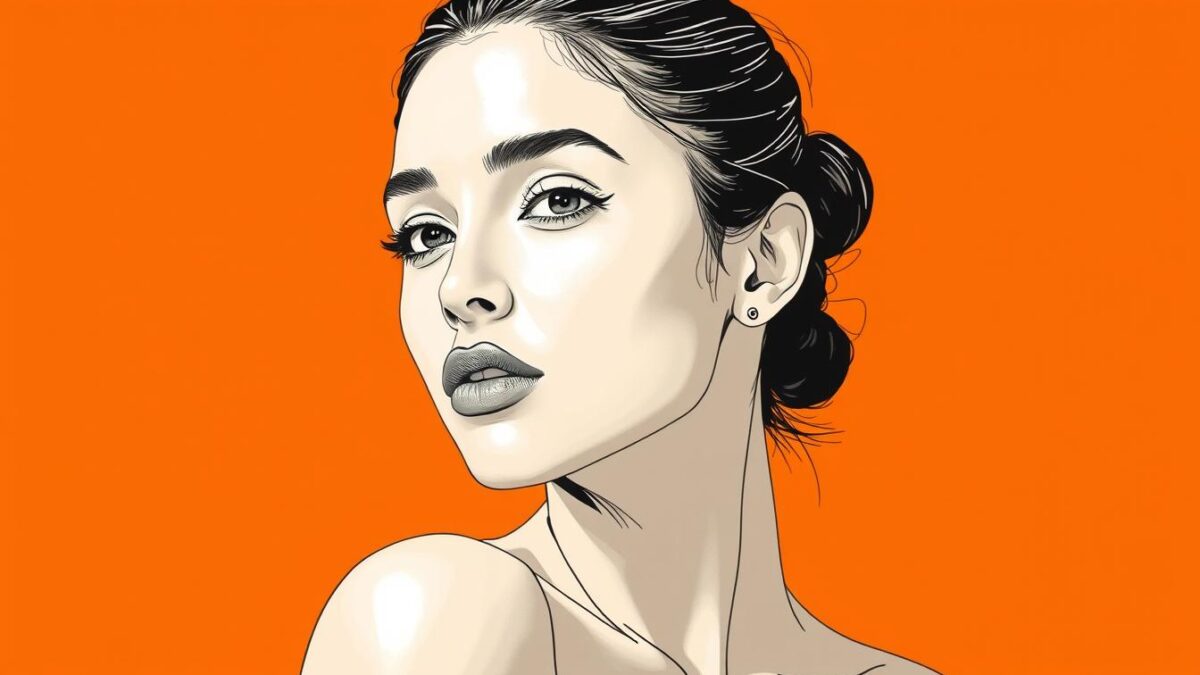
Wejdene Chaïb arrived on the music scene with the force of a digital storm. Born on April 23, 2004, in Saint-Denis, France, this young artist performs under a single name. Her sound blends R&B and urban pop, speaking directly to a generation fluent in social media.
Her career began quietly in 2019. But everything changed the following year. The single “Anissa” exploded on TikTok, turning the chanteuse into an overnight sensation. It was more than a hit song. It became a cultural touchstone for youth in France and beyond.
This rapid ascent reflects a new era in the music industry. Young voices can now shape trends from the ground up. Her journey from Guette Music to major labels like Caroline and Virgin Records under Universal Music Group marks a significant transition. It shows a shift from viral discovery to established industry recognition.
This introduction lays the factual groundwork. It respects the craft, timing, and digital power that define her story. The following sections will explore her music and influence in greater depth.
Early Life and the Rise to Stardom
The foundations of Wejdene’s career were laid long before her name trended online. They were rooted in the diverse Parisian suburbs of her youth.
Background and Family Roots
Wejdene Chaïb was born in Saint-Denis in avril 2004. She spent her early years in La Courneuve before her family settled in Brunoy, Essonne.
Her Tunisian heritage and large family shaped her worldview. Music filled their home. Her father, Badra Zarzis, is a singer and multi-instrumentalist.
She often sang with him from a young age. This early exposure was her first classroom. The young artist is entirely self-taught. She writes her own lyrics, a mark of authenticity.
Initial Steps into Music
In early 2019, she opened an Instagram account. This simple act positioned her for discovery in a new digital era.
A pivotal moment arrived that November. Manager and producer Feuneu, from her neighborhood, discovered her talent. He saw her potential immediately.
Their collaboration moved quickly. That same mois, Feuneu produced her first single, “J’attends.” Just a few months later, in February 2020, a second single titled “J’peux dead” followed.
These were modest, deliberate steps. They built a quiet foundation for the explosion that was soon to come.
Music Career and Discography Highlights
A simple TikTok post in April 2020 would redefine the young artist’s career. The single “Anissa” became a viral phenomenon. Nearly 900,000 users recreated its challenge.
The song’s raw narrative of betrayal, with lyrics like “Tu hors de ma vue,” became internet memes. Its simple R&B production resonated widely. The track earned Diamond certification.
Breakthrough with the Hit “Anissa”
This viral success led to a major label deal. Wejdene signed with Caroline Records, part of Universal Music Group, in mid-June 2020. It was a significant validation.
Her premier album, “16,” arrived in septembre 2020. The title reflected her age, a previously secret detail. The album contained twelve solo tracks.
It sold 17,000 copies in its first week. The album peaked at number 3 on the French charts. It was later certified Platinum.
Album Releases and Major Certifications
A réédition titled “16 ou pas” followed in avril 2021. It expanded to 19 tracks and featured collaborations. This showed artistic growth.
Her second album, “Glow Up,” was released in décembre 2022. It was conceptually divided into “bon mood” and “bad mood.” Unfortunately, it underperformed commercially.
The 2024 EP “W” marked a return to R&B roots. It featured notable artists. Her 2025 single “Dans tes bras” again went viral on TikTok.
Collaborations and Musical Style
Wejdene’s work extends beyond her own albums. She appeared on Jul’s track “Loin de tout.” This integration into the French urban scene is clear.
Her musical style blends R&B and urban pop. It is characterized by straightforward lyrics and catchy melodies. This appeals directly to a digitally native audience.
Exploring Wejdene’s Influence and Social Media Impact
Social media platforms have rewritten the rules of music discovery. Wejdene’s trajectory exemplifies this digital transformation perfectly.
Her career demonstrates how virality and user participation now rival traditional industry pathways. Platforms like TikTok create new opportunities for authentic connection.
TikTok Phenomenon and Viral Success
The breakthrough came in avril 2020 with “Anissa.” The artist posted a simple challenge that sparked nearly 900,000 user recreations.
This viral moment captured a generation seeking connection during quarantine. The catchy hook and relatable lyrics created perfect conditions for digital spread.
Her influence extended beyond TikTok. The single “Coco” achieved 3 million vues on YouTube within one day. This showed her reach across multiple digital platforms.
Comparisons with Contemporary Artists
Critics often compare her to Aya Nakamura. Both artists share an R&B style with straightforward, sometimes grammatically unconventional lyrics.
These authentic expressions become cultural catchphrases. The line “Tu hors de ma vue” from “Anissa” turned into a popular meme.
Her sustained relevance proved strong with the 2025 release “Dans tes bras.” Over 2,000 TikTok videos used the track before its official debut. This demonstrates lasting viral power beyond initial success.
Final Reflections on Wejdene’s Journey
Few artists have experienced such rapid highs and challenging lows as Wejdene Chaïb. Her trajectory from Instagram discovery to Diamond-certified artist happened in months, not years.
Peaks like “Anissa” and “16” brought massive success and industry validation. Collaborations with established artists cemented her place in French urban music.
Yet setbacks followed. The commercial disappointment of “Glow Up” showed fame’s fragility. Television appearances on “Danse avec les stars” and “The Voice Kids” expanded her reach beyond music.
Personal challenges and the 2025 legal controversy added complexity to her narrative. These moments reveal the weight of public scrutiny.
Her story reflects digital-era stardom’s dual nature. It offers instant access to audiences but demands constant navigation of expectations. The artist’s future will depend on balancing authenticity with the pressures of fame.