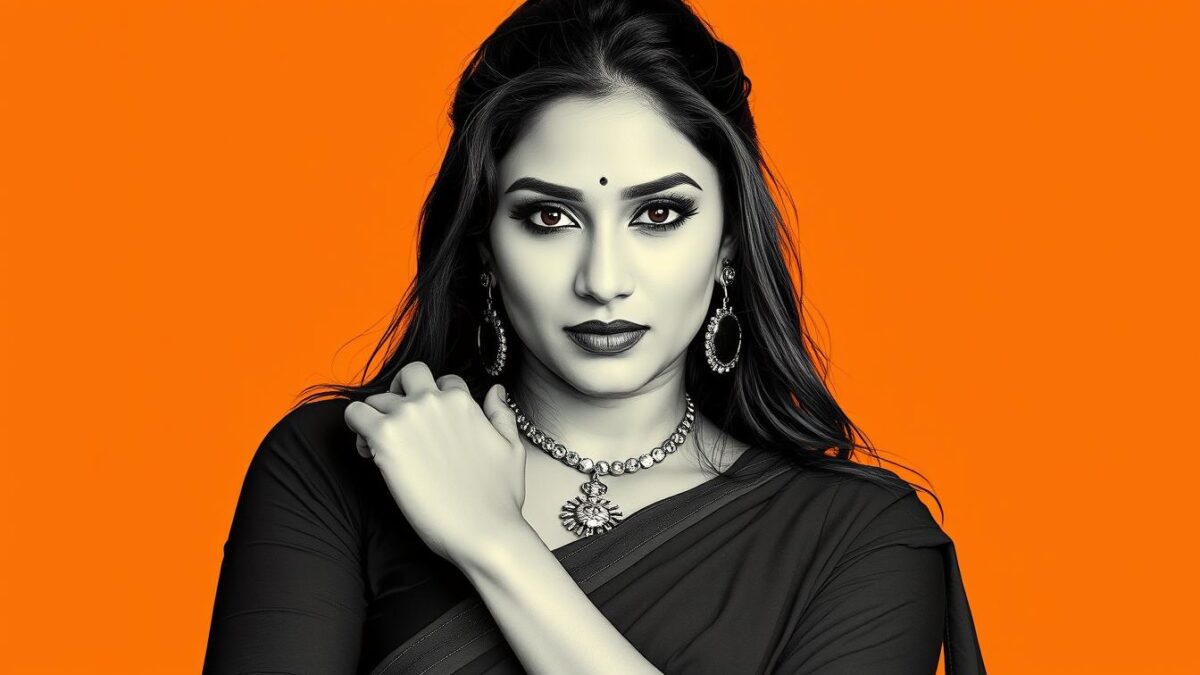
Some voices arrive fully formed. They carry the dust of their homeland and the weight of generations. The singer Vaishali Mhade is one such voice.
Born in 1984 in rural Maharashtra, her journey began far from the spotlight. It started in the heartland of India, where tradition runs deep.
Her path to national fame was not built on chance. It was built on craft. In 2009, she won the prestigious Sa Re Ga Ma Pa Challenge. This victory was a testament to her raw talent and disciplined work.
She earned more than a title. She won a significant music contract and the respect of the industry. This artist proved that talent from India’s small towns can command the biggest stages.
Her career is a blend of Marathi folk roots and Bollywood playback. She honors her regional identity while reaching a national audience. Family remains her anchor, balancing life with her husband and daughter.
Vaishali Mhade’s story is one of steady evolution. It is a story of a voice that refuses to be confined.
Early Life and Breakthrough in Sa Re Ga Ma Pa Challenge
In the quiet town of Hinganghat, music wasn’t a performance but a way of life. Family gatherings and local festivals became her first stage. Traditional Marathi forms taught her breath control and emotional depth long before studio microphones.
Musical Roots and Childhood Influences
Her technique grew from classical and semi-classical training. This grounding gave her voice remarkable consistency. She learned that true skill comes from discipline, not just talent.
Triumphant Journey on Sa Re Ga Ma Pa
The singer first won the Marathi version of the show in 2008. This regional victory set the stage for her national breakthrough. She entered the 2009 Sa Re Ga Ma Pa Challenge with quiet confidence.
Placed in Himesh Reshammiya’s Rock Gharana, she proved her versatility across genres. The competition tested her range in modern, classical, and devotional styles. She reached the top three alongside Soumen Nandi and Yashita Yashpal Sharma.
Her massive fan base, built on consistent performances, secured the victory. The win came with a 50-lakh music contract and significant prizes. Her appearance at the Nagpur International Marathon signaled her rise from contestant to cultural figure.
This was craft meeting opportunity. A singer prepared for years before the cameras found her voice.
Musical Career Highlights and Film Playback Success
The true measure of a vocalist’s skill is often found in collaboration with established greats. For Vaishali Mhade, this meant sharing the microphone with legends. Her career expanded far beyond competition wins into the demanding world of film playback.
She built a reputation for versatility and emotional depth. Each song became a new chapter in her artistic story.
Bollywood Debut and Duet Collaborations
Her first step into Hindi cinema was the 2011 duet “Hum Tum.” This song introduced her voice with clarity. It was a restrained beginning that showed her adaptability.
The major breakthrough arrived with Sanjay Leela Bhansali’s epic film, Bajirao Mastani. Here, she sang “Pinga” alongside Shreya Ghoshal. The track demanded technical precision and vibrant Lavani energy.
This powerful collaboration continued in the 2019 movie Kalank. Their duet “Ghar More Pardesiya” earned critical acclaim and a Screen Award. It cemented her status as a reliable and talented partner.
Signature Songs, Albums, and Television Appearances
Beyond film, her voice became a staple in Marathi households. She sang beloved title tracks for popular television shows on Zee Marathi. These melodies made her a familiar presence in many homes.
In 2024, she voiced the character Phullwanti for the song “Madanmanjiri.” This Lavani performance was highly praised. It later won her a Filmfare Award Marathi.
She also briefly stepped into reality television as a contestant. This choice highlighted her multifaceted public persona. Her career shows a balance between artistic pursuit and personal growth.
Vaishali Mhade: Accolades, Awards, and Recognition
Awards tell a story beyond popularity—they map an artist’s journey through industry respect. For this singer, recognition began with regional honors and grew to national acclaim.
Sahyadri Cine Awards, Filmfare, and Other Honors
Her first major award was the Damani-Patel Karmayogi Award. She shared this honor with celebrated figures from Maharashtra. This early recognition signaled her emerging talent.
In 2014, she won Best Playback Female at the 5th Sahyadri Cine Awards for the film Vaghi. These cine awards became a recurring platform for her Marathi cinema work. The sahyadri cine awards validated her dominance in regional music.
Screen Awards, Mirchi Music Nominations, and More
National recognition arrived with her 2015 Mirchi Music Award nominations. She was nominated for “Pinga” from Bajirao Mastani. This song featured her collaboration with Shreya Ghoshal.
The artist won the Screen Award in 2019 for “Ghar More Pardesiya” from Kalank. This duet with Shreya Ghoshal showcased technical skill and emotional depth. She followed with a Zee Cine Award win and Filmfare nomination in 2020.
Her 2025 award sweep for “Madanmanjiri” marked a career peak. She won Maharashtra Times Sanman, Zee Chitra Gaurav Puraskar, and Filmfare Marathi. These honors celebrated her authentic Lavani performance.
| Year | Award | Category | Work |
|---|---|---|---|
| 2014 | Sahyadri Cine Awards | Best Playback Female | Vaghi |
| 2015 | Mirchi Music Awards | Nominations (2 categories) | Pinga (Bajirao Mastani) |
| 2019 | Screen Awards | Best Female Playback Singer | Ghar More Pardesiya (Kalank) |
| 2020 | Zee Cine Awards | Best Female Playback Singer | Ghar More Pardesiya (Kalank) |
| 2025 | Filmfare Awards Marathi | Best Female Playback Singer | Madanmanjiri (Phullwanti) |
Each award reflects industry acknowledgment of her craft. They honor her ability to balance tradition with contemporary demands.
Final Reflections on Vaishali Mhade’s Impact on Music and Film
The story of Vaishali Mhade is a blueprint for artistic integrity. She built a career on the quiet power of consistency. This singer chose craft over shortcuts and regional roots over reinvention.
Her collaborations, like the famous “Pinga” duet, show a unique skill. She could harmonize with legends without losing her own identity. Her voice carried the weight of Lavani and folk traditions into modern cinema.
Beyond any single song, her impact is broader. She proved that authenticity scales when backed by skill. Her work on television shows and in playback singing created a bridge between regional pride and national recognition.
Her legacy is not built on viral moments but on sustained excellence. It offers a path younger singers can respect and follow. Vaishali Mhade’s discography remains a testament to music that is both rooted and timeless.