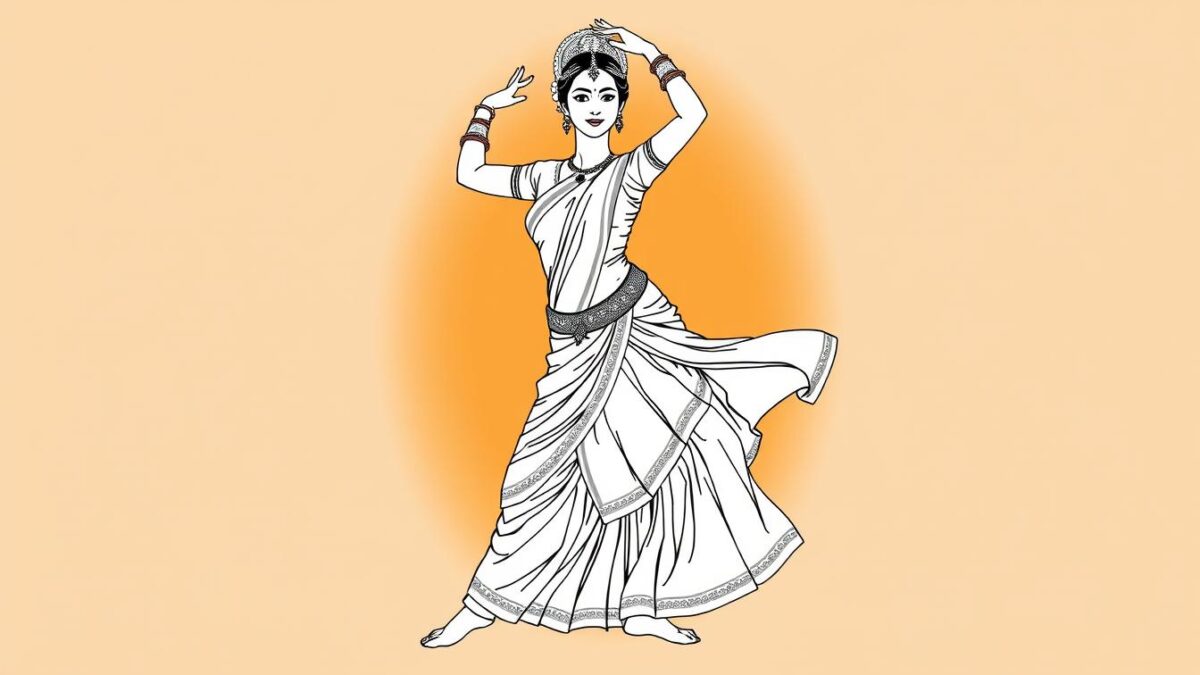
In the world of classical Indian dance, a new star commands attention. Her name is Suranjana Endow Basu, a graded artist recognized by Doordarshan.
Her journey into odissi began at age nine in Kolkata. She first learned under guru Susmita Bhattacharya. This early training laid a precise technical foundation.
Later, she became a disciple of Sharmila Mukherjee in Bengaluru. Each guru layered technique and deep interpretation into her performance vocabulary.
Her mother planted the initial seed. She believed a well-rounded personality grows through academia, grace, and the arts. This philosophy now lives in every movement the dancer makes.
Her story is not about sudden fame. It is built on years in practice halls, refining each gesture until it speaks with clarity. She translates ancient, stone-carved poses into living, breathing art.
Critics and gurus now name her an artist to watch. They point to her craft, commitment, and the quiet authority she brings to the stage.
Introduction to a Dance Phenomenon
The landscape of odissi dance is being reshaped by artists who honor tradition while infusing it with contemporary energy. This generation of dancers views classical forms as dynamic, not static. They find new life within ancient frameworks.
Overview of a Dancer’s Journey
Suranjana’s path reflects this broader shift. Trained in rigorous tradition, she now seeks her own voice within the inherited language of odissi. Her plans for 2025 mark a significant step in her artistic development.
She is currently crafting a pallavi, a pure dance piece centered on rhythm and melody. This work receives her gurus’ full blessings. The way she discusses her goals reveals a thinker looking beyond the stage.
Her long-term vision includes extensive engagement with children. She aims to pass odissi to the next wave of learners. These experiences will build upon her solid foundation of training and performance.
This phase is not a departure but an evolution. Each prior step—from early training to professional grading—has led to this moment of creative exploration. It is a journey of sustained commitment coming to fruition.
Early Life, Training, and Traditional Roots
Behind every polished performance lies years of foundational work in training halls. This phase builds the technical precision that later appears effortless on stage.
Foundations in Odissi and Indian Classical Dance
Starting at age nine, the dancer entered Kolkata’s Kalakhetram under guru Susmita Bhattacharya. She learned odissi’s core vocabulary—the tribhangi stance, chauka position, and fluid torso movements.
Her mother believed dance was essential to personal development. This philosophy treated arts as equal to academics in building a well-rounded character.
Daily practice involved perfecting single gestures for hours. Students adjusted neck angles and aligned feet in geometric patterns until muscle memory took over.
This rigorous training built more than technical skill. It instilled the discipline needed for a serious career and the slow accumulation of knowledge.
| Training Element | Purpose | Time Investment | Outcome |
|---|---|---|---|
| Tribhangi Stance | Build spinal flexibility | Months of daily repetition | Fluid torso movements |
| Chauka Position | Establish balance | Weekly adjustments | Strong foundation |
| Hand Gestures (Mudras) | Develop expression | Years of refinement | Clear storytelling |
| Footwork Patterns | Create rhythm | Continuous practice | Precise timing |
Kolkata’s cultural environment provided rich context for this training. The city’s festivals and performances showed classical arts as living traditions.
The foundation from these formative years shaped everything that followed. It created the framework for a career built on patient, dedicated work.
Suranjana Endow Basu: In Focus
The Doordarshan grading system represents a critical milestone for Indian classical dancers seeking professional validation. This official recognition serves as a trusted source that confirms technical mastery and performance readiness.
For the artist, this grading opens doors to national broadcasts and major festival invitations. It validates the years spent perfecting each movement in practice halls.
Her inclusion among Bengaluru’s fourteen dancers to watch adds another layer to these experiences. Critics and gurus identified artists demonstrating both skill and genuine contribution to odissi’s evolution.
Such recognition shapes a dancer’s sense of self, confirming that private dedication translates to public acknowledgment. It marks a transition from student to established artist.
Yet she approaches this attention with grounded energy, focusing on creative projects rather than accolades. The current pallavi work receives priority over external validation.
This balance defines her current standing—a dancer using recognition as fuel for artistic growth rather than a final destination.
Mastering the Art of Odissi Dance
Mastery in classical Indian dance unfolds through a unique educational framework. This system prioritizes deep, long-term mentorship over quick, rotational lessons.
It is a slow, deliberate process of absorption. The dancer’s entire artistic development is shaped within this tradition.
Mentorship under Guru Sharmila Mukherjee
At the Sanjali Centre for Odissi Dance in Bengaluru, the artist’s practice deepened significantly. Guru Sharmila Mukherjee is known for her rigorous training and nuanced interpretation.
This chapter built upon an already solid foundation. The focus shifted to refining expression and mastering complex rhythmic patterns.
Early Guidance from Guru Susmita Bhattacharya
The initial training began at age nine in Kolkata under Guru Susmita Bhattacharya. This early period is crucial for building the form’s physical vocabulary.
Here, the foundational posture, footwork, and hand gestures were meticulously ingrained. It established the technical precision essential for all future work.
Each guru imparts a distinct emphasis, layering different perspectives into a dancer’s voice.
- One mentor might focus on the emotional depth of abhinaya, or expression.
- Another may prioritize the intricate geometry of movement and rhythm.
This personalized transmission differs from Western training models. It forges an artistic identity through sustained, dedicated relationships. The influences of both gurus are visible in Suranjana’s commanding stage presence today.
Balancing Tradition with Contemporary Innovation
The true test for a classical dancer today lies in the delicate balance between honoring tradition and pursuing innovation. This dynamic tension defines the modern era of Indian classical performance.
Blending Classical Techniques with Modern Interpretations
Odissi possesses a fixed vocabulary of mudras and sculptural poses. Yet, how each generation speaks this artistic language continually evolves. Dancers bring new sensibilities to the ancient form.
Suranjana navigates this by grounding her work in traditional structures. Her current project, a pallavi, is a pure dance piece demanding technical mastery. It showcases a deep respect for the foundational art.
Simultaneously, she is testing the boundaries of presentation. This creative instinct might influence music choices or thematic focus. The goal is to ensure the dance remains a living, relevant practice.
This approach is common among thoughtful artists across India. They work within established disciplines to find personal expression. Their innovations are accepted as evolution, not rebellion, because they demonstrate command of the tradition first.
Energizing Performances on Iconic Platforms
Performance venues become the proving ground where technical training meets audience connection. Different stages demand distinct approaches from classical dancers.
Indian classical dance platforms range from intimate sabhas to large festival stages. Each space requires specific performance energy and adjustments. The artist must adapt her presence accordingly.
Doordarshan grading opens doors to televised performances. These reach audiences far beyond live show attendees. National visibility expands an artist’s impact significantly.
Bengaluru offers robust platforms for classical dance. Established venues and annual festivals provide regular performance opportunities. The city’s educated audience appreciates technical nuance.
Emerging artists bring particular urgency to their performances. This career-building energy often differs from established dancers. It creates a compelling stage presence.
Each platform tests different skills:
- Television demands clarity for camera angles
- Large stages require expanded projection
- Intimate venues reward subtle expression
Recognition as a dancer to watch in 2025 brings increased invitations. This creates career momentum that can accelerate artistic growth. The artist must manage these opportunities wisely.
Performance platforms shape an emerging dancer’s trajectory significantly. They provide the real-world testing ground for years of studio work.
Critical Challenges and Triumphant Performances
The path of a classical dancer is paved with both visible triumphs and private struggles. These challenges test commitment at every stage of development.
Navigating Artistic and Technical Challenges
Odissi presents specific physical demands. The form’s sculptural aesthetics require extreme flexibility and strength. Dancers develop this conditioning over years.
Artistic challenges emerge when moving beyond learned choreography. Finding emotional truth in traditional narratives becomes essential. Each dancer must discover their unique voice within inherited material.
Financial realities affect most classical performers in India. Stable income from performance alone remains rare. Many artists balance their practice with teaching or other work.
Transformative Experiences on Stage
Transformative stage experiences remind dancers why they persist. These are moments when technique becomes invisible. Only pure expression remains.
Suranjana’s journey includes such breakthroughs. A demanding piece finally clicks after months of refinement. Audience response confirms artistic choices.
Each conquered difficulty adds depth to the artist’s work. The polished performances audiences see result from overcoming continuous challenges.
Impact on Future Generations of Dancers
The future of any classical art form rests in the hands of those who teach it. For Suranjana, this means looking beyond the stage to the classroom. Her long-term vision centers on working with children through odissi.
Empowering Aspiring Artists through Mentorship
Each generation of dancers carries responsibility for passing the art forward. This ensures continuity beyond individual careers. The growth of the form depends on this transmission.
Her own childhood training shapes this understanding. Starting at nine with supportive guidance showed what young dancers need. They require patient instruction and performance opportunities.
Teaching demands different skills than performing. Complex movements must break into learnable steps. Discipline must balance with creativity. Tradition should guide without limiting expression.
This planned mentorship demonstrates how artistic impact extends beyond personal achievement. Young dancers watching today’s performances see their own possibilities. They witness how commitment leads to meaningful work.
The artist’s approach shows community contribution matters as much as solo recognition. This next generation will carry odissi forward because established artists choose to teach.
The Role of Research and Practice in Dance Evolution
Classical dance evolves through a continuous dialogue between scholarly inquiry and physical discipline. This research process ensures traditions remain vibrant and relevant across generations.
Odissi’s modern revival in the mid-20th century demonstrates this principle. Scholars and dancers reconstructed temple traditions through careful study of sculptures and texts. They codified techniques that had nearly disappeared.
Contemporary dancers continue this investigative work. They explore regional variations and lesser-known compositions. Their research examines how historical pieces can speak to modern audiences.
Developing new work involves deep investigation. Dancers select appropriate ragas and study rhythmic structures. They analyze how previous artists approached similar compositions.
Practice transforms intellectual research into embodied knowledge. Hours in the studio make discovered material feel natural. The movement becomes personal expression rather than imitation.
This cycle of research and practice drives artistic evolution. It allows forms to grow while maintaining connection to foundational principles. The dancer’s journey balances respect for tradition with scholarly curiosity.
Cultural Significance of Indian Classical Dance
Indian classical dance forms are more than performance; they are living archives of cultural memory. They carry ancient stories, devotional practices, and social values encoded in movement. This physical language transmits a deep cultural knowledge across generations.
Preserving Heritage Through Performance
Each performance is a living interpretation, not a static reproduction. Dancers breathe contemporary relevance into ancient material while honoring its core character. This keeps the tradition vibrant and connected to modern audiences.
The dance communicates beyond words. Gestures, postures, and rhythms express complex philosophical ideas and emotional states. It is a shared language understood within its cultural context.
Suranjana’s approach reflects a philosophy passed down from her mother. The art is seen as essential to human development, cultivating grace and discipline. It is integral to building a well-rounded personality.
On international stages, classical dancers become cultural ambassadors. They introduce global audiences to India’s rich aesthetic traditions. Their work asserts regional identity and resists cultural homogenization.
Preservation matters because it represents continuity. It is a dynamic link to the past, sustained by artists committed to both training and teaching. Their work ensures the art form’s future.
Production and Curatorial Insights in Dance
Behind every seamless performance lies a framework of logistical and creative planning. This unseen work transforms a dancer’s vision into a complete artistic experience for the audience.
Behind-the-Scenes in Dance Production
Dance production involves far more than choreography. It requires selecting the right music and coordinating with musicians. Designers create costumes that allow movement while serving the aesthetic vision.
Lighting must enhance the dancer’s three-dimensional form, not flatten it. Endless practical details fill the schedule. This includes booking space and managing often personal budgets.
For a traditional piece like a pallavi, production demands deep respect for established frameworks. The artist must know which ragas suit pure dance. They understand how rhythmic cycles structure the entire piece.
| Production Element | Traditional Consideration | Innovative Possibility |
|---|---|---|
| Music (Raga) | Adherence to classical structures | Collaboration with contemporary composers |
| Costume | Specific jewelry and fabric conventions | Subtle modernizations for mobility |
| Choreography | Use of established movement vocabulary | Emphasizing under-explored rhythmic patterns |
| Spatial Design | Traditional stage positioning | Dynamic use of the entire performance area |
Innovative Approaches in Choreography
Innovation within classical dance means finding fresh pathways through a known vocabulary. A choreographer might discover new transitions between traditional sequences.
The process for a pallavi focuses on pure movement. It creates visual interest through spatial patterns and dynamic variation. The goal is kinetic beauty, divorced from narrative.
Thoughtful production choices support the choreography. Poor sound or lighting can undermine brilliant dancing. This behind-the-scenes work is essential for a successful performance.
Insights from Contemporary Dance Experts
Expert voices in classical dance provide a crucial compass for navigating a vibrant artistic landscape. Their deep knowledge separates technical skill from true artistry.
Perspectives from Gurus and Critics
When gurus and critics identify an artist to watch, it represents a collective assessment. This validation is more reliable than self-promotion. It signals an artist with notable potential.
These experts act as a trusted source for audiences. They help identify performers whose work rewards close attention. Their perspective guides viewers through a crowded field.
The criteria for this recognition involve rigorous testing. Experts look for technical command and interpretive depth. Stage presence and artistic integrity are also key.
Spotlighting a dancer from the current generation reveals broader trends. It might highlight increased technical sophistication or a fresh approach to tradition. This recognition shapes the art form’s evolution.
For the artist, this expert endorsement opens important doors. It leads to festival invitations and media coverage. Such opportunities can accelerate career development significantly.
Inclusion in a curated list suggests a strong current standing. It points toward a promising future trajectory built on recognized skill and contribution.
Global Influence and Cultural Exchange in Dance
The stage expands beyond national borders, connecting cultures through movement. International festivals and digital platforms create new opportunities for classical Indian dance. Artists now reach audiences far from the form’s traditional home.
This global context presents a unique challenge. Dancers must make their art accessible without simplifying its depth. The goal is to share the work’s emotional truth, not present it as an exotic spectacle.
Movement itself becomes a universal language. It communicates directly, bypassing spoken words. The kinetic power and aesthetic beauty of a performance can resonate with anyone, regardless of background.
Dancers serving abroad act as cultural bridges. They foster understanding while learning from other artistic traditions. This exchange influences how they view their own practice, often revealing new creative directions.
| Performance Context | Primary Challenge | Key Opportunity |
|---|---|---|
| International Festival | Communicating cultural specificity | Reaching a diverse, curated audience |
| Digital Platform | Translating live energy to screen | Building a global following over time |
| Diaspora Community | Balancing tradition with modern identity | Performing for a culturally literate audience |
| Cross-Cultural Collaboration | Finding common artistic ground | Creating innovative, hybrid works |
This global dialogue enriches the art form. It tests its relevance and ensures its continued evolution. The exchange benefits both artists and audiences worldwide.
Exploring New Opportunities in the Dance Domain
Beyond the proscenium stage, a new ecosystem of performance and patronage is taking shape. This shift opens fresh pathways for artistic growth.
Emerging Platforms for Indian Dance Performance
Digital spaces became essential during pandemic lockdowns. Dancers turned to YouTube and Instagram to share their work.
These platforms reach global audiences, breaking geographic limits. They also support online teaching and digital festivals.
For the current generation, a digital presence complements live performance. It builds audience relationships between major shows.
New funding models like crowdfunding offer financial independence. They reduce reliance on traditional grants.
Interdisciplinary collaborations are also rising. Filmmakers and theater directors seek classical dancers for hybrid projects.
| Traditional Platform | Emerging Platform | Key Difference |
|---|---|---|
| Live Sabha/Theater | Streaming Service | Audience reach is immediate and global, not local. |
| Government Grants | Crowdfunding Campaigns | Funding comes directly from the audience community. |
| Solo Recital | Digital Collaboration | Artists connect across distances to create new work. |
| Seasonal Festivals | On-Demand Content | Performances are accessible anytime, expanding impact. |
Recognition positions an artist like Suranjana to capitalize on these changes. Her proven skill makes her a strong candidate for serious collaborations. This landscape rewards both artistry and strategic navigation.
Closing Reflections and Future Aspirations
The artist’s path forward balances personal discovery with the timeless demands of her craft. Her hope for 2025 centers on a new pallavi, a creative project blessed by her gurus. This work represents a significant step in her artistic development.
She brings a quiet energy to this exploration, trusting in gradual growth. Her way honors tradition while making space for her own voice. Future performances will be the true test of these creative instincts.
Looking further ahead, a deep hope involves working with children. She sees teaching as the natural extension of a performing career. This vision balances self-expression with meaningful contribution.
Suranjana’s trajectory offers a model of patient, dedicated growth. It shows how artistic impact builds over time, fueled by respect for the art itself.