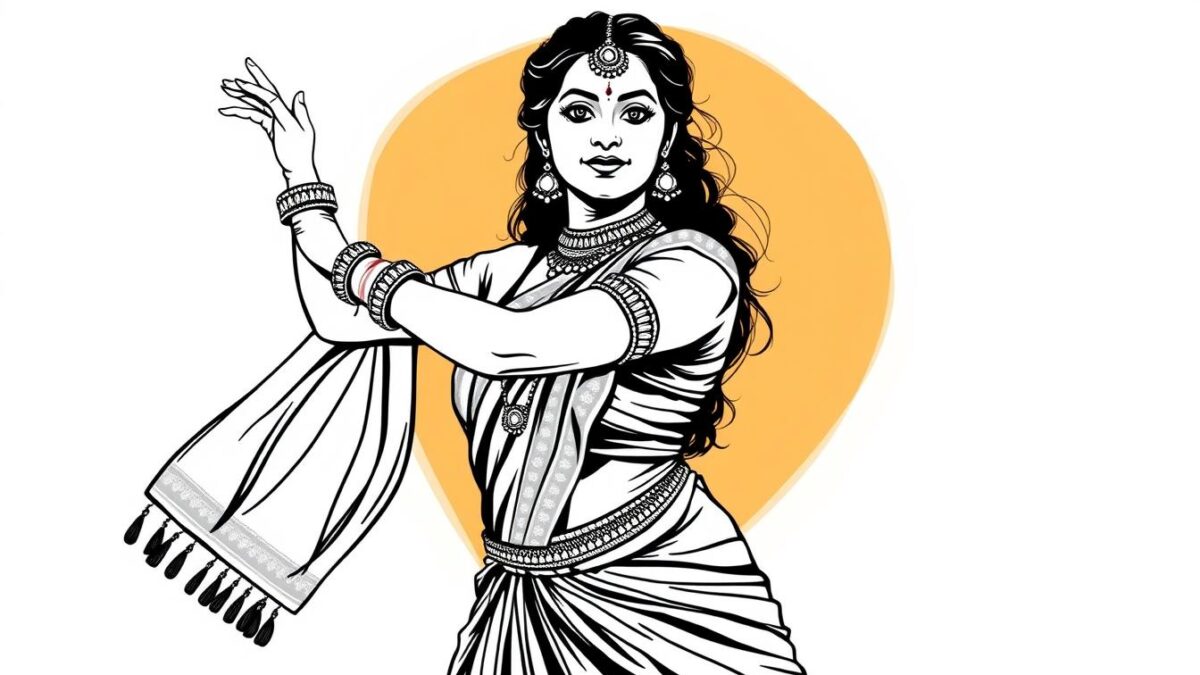
Born in Mumbai in 1965, Sudha Chandran grew up surrounded by rhythm and tradition. Her Tamil family valued both culture and education, shaping her early years. She studied economics at Mithibai College, but dance remained her true calling.
Her journey as a classical dancer began with Bharatanatyam. The art form demands precision, grace, and intense discipline. She mastered it completely.
Then life delivered a catastrophic blow. A tragic accident threatened to end everything she’d built. Most would have surrendered to circumstance.
But this story isn’t about inspiration porn or easy victories. It’s about the real work of rebuilding. The unglamorous choices made when everything falls apart.
Her life became a blueprint for navigating professional rejection and physical limitation. She didn’t just return to dance—she redefined what was possible. Her determination carved a new path forward.
From classical stages to television screens across multiple languages, her career spans decades. Each phase reveals new dimensions of her craft. Her resilience commands respect beyond the headline of “dancer who lost her leg.”
The real lesson lies in the specific mindset shifts that allowed her to dominate her field. Not just survive it.
Early Life, Family, and Cultural Roots
On September 21, 1965, in Mumbai, a future star began her journey shaped by Tamil traditions. Her parents carried their cultural heritage from Vayalur, Tiruchirappalli, creating a home where ancient art forms thrived alongside modern education.
Cultural Heritage and Family Influence
Her father K.D. Chandran understood performance from both sides—as a USIS employee and former actor. He recognized the discipline required for artistic excellence. Her mother Thangam provided nurturing support for creative exploration.
The family actively cultivated her talent rather than merely tolerating it. They arranged proper Bharatanatyam training despite the significant commitment. This support system proved crucial for her development.
Foundations in Bharatanatyam
As a young dancer, she demonstrated remarkable technical precision and emotional depth. Accolades followed quickly, signaling a promising future on India’s most prestigious stages. Her education ran parallel to artistic training.
She earned both a B.A. and M.A. in Economics from Mithibai College. This academic foundation created options beyond dancing. Yet her primary passion remained the classical art form.
The Bharatanatyam training instilled more than movement skills. It taught body awareness, storytelling through gesture, and relentless discipline. These qualities would later prove invaluable when she faced physical challenges.
Overcoming Adversity and a Life-Changing Accident
In May 1981, a routine pilgrimage trip turned catastrophic when a bus accident shattered a young dancer’s future. The collision left Sudha Chandran with severe leg injuries that seemed to end her dance career before it truly began.
The Road to Amputation and Recovery
Initial medical treatment proved insufficient. By the time she reached Vijaya Hospital in Madras, gangrene had developed in her right leg. Doctors faced a difficult choice.
Amputation became the only option to save her life. For a Bharatanatyam dancer, losing her right leg felt like losing her identity. The accident tested her will to live.
She later confessed this period represented the toughest time of her life. Her parents became her strength, refusing to let despair win.
Embracing New Possibilities with a Prosthetic Jaipur Foot
The prosthetic Jaipur Foot restored basic mobility. But returning to dance required more than mechanical solutions. It demanded immense courage.
Sudha Chandran spent two years relearning movements designed for two legs. She adapted techniques and endured physical pain. Her determination pushed through every obstacle.
When she finally returned to the stage, audiences recognized more than technical skill. They witnessed raw courage made visible through movement.
Her comeback wasn’t limited to one performance. She danced across continents, proving her accident changed her body but not her art.
The Iconic Career of Sudha Chandran in Dance, Television, and Film
Her film career launched with a role that was already her life story. This unique beginning set a powerful precedent for a journey marked by resilience.
Breakthrough Roles and Award-Winning Performances
The Telugu film Mayuri (1984) and its Hindi version Naache Mayuri (1986) brought her story to the screen. Her performance earned a National Film Award.
This early success was not a smooth path to stardom. Many of her subsequent films failed commercially. For seven years, she faced unemployment.
Despite holding a postgraduate degree in Economics, she chose to wait for the right role. Her belief in her acting career paid off dramatically.
Memorable Contributions to Television and Cinema
The turning point arrived with Balaji Telefilms’ offer for Kaahin Kissii Roz. Ekta Kapoor wanted her for the negative character Ramola Sikand.
Initially hesitant, the artist took the part. Her portrayal of the ruthless businesswoman became iconic. It earned her the Best Negative Actress award and widespread recognition.
Television became her primary medium. She demonstrated remarkable range across Hindi, Tamil, Telugu, and other language productions.
| Show | Character | Contribution |
|---|---|---|
| Kaahin Kissii Roz | Ramola Sikand | Breakthrough negative role; award-winning |
| Naagin (Multiple Seasons) | Yamini Singh | Long-running, powerful antagonist |
| Deivam Thandha Veedu | Chitradevi Chakravarthy | Showcased versatility in Tamil television |
| Solvathellam Unmai / Dance Jodi Dance | Judge | Mentored new talent on reality shows |
Chandran’s career is a testament to embracing complex characters. She found lasting success by choosing impactful roles over conventional paths.
Personal Choices, Resilience, and Life Lessons
Beyond the stage lights and camera flashes, personal choices defined Sudha Chandran’s path as much as professional ones. Her life story extends far beyond performance.
Eloping and Navigating Cultural Differences
In 1994, she married assistant director Ravi Dang after what she called love at first sight. Their union faced strong opposition from her Tamil family due to Ravi’s Punjabi background.
Despite efforts to gain approval, her parents remained firm. The couple made a courageous choice to elope, marrying at a Chembur temple without family blessing.
This decision required a different kind of courage than physical rehabilitation. They chose partnership over tradition in a culture where family consent matters deeply.
After 29 years together, they made another unconventional choice. They decided against having children or adoption, staying true to their personal beliefs.
Facing Career Setbacks with Determination
Her career journey included a seven-year gap without work. This came despite winning a National Award for Nache Mayuri.
Many would have quit acting altogether. She held an Economics degree that offered stable employment options.
But her determination wasn’t blind optimism. It was calculated faith in her talent and the industry’s eventual need for her skills.
She credits television with her survival as an actress. The medium provided the creative satisfaction films initially promised but failed to deliver consistently.
Her story teaches specific daily choices. Keep preparing, keep training, keep showing up even when opportunities seem scarce.
Reflecting on a Journey of Courage and Inspiration
The 2016 honorary doctorate from Invertis University stands as a quiet testament to a career built on more than a single comeback. Sudha Chandran continues to work, most recently appearing in ‘Naagin 6,’ demonstrating a longevity that transcends novelty.
Her journey resists a simple inspirational arc. The real story involves the unglamorous work of adapting technique and enduring professional rejection after dancing again.
Her life offers a case study in strategic patience. The same quality of determination that powered her physical recovery also carried her through years of unemployment. Sudha Chandran’s legacy is still being written, a powerful reminder that a setback is not an ending.