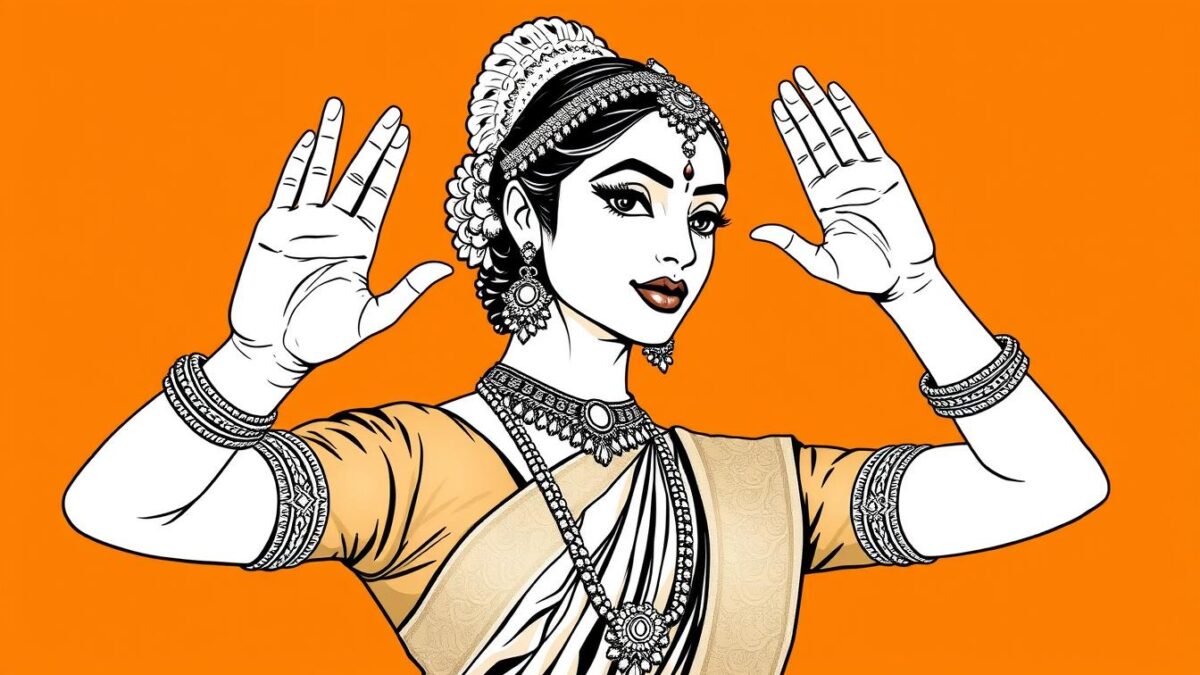
Sheela Mhatre carved a unique space in Indian performing arts. Her work connected classical traditions with modern expression. Critics and audiences worldwide noticed her distinctive approach.
She moved with equal respect for heritage and innovation. Each performance balanced disciplined technique with creative freedom. This artist saw dance as both cultural preservation and living art.
The New York Times once highlighted her international impact. Their coverage brought her philosophy to global attention. She became part of larger conversations about dance’s evolution.
This profile traces her journey from early training to lasting influence. It examines how she shaped contemporary Indian dance. Her story reflects broader changes in the artistic field during recent decades.
The Journey to Dance Excellence
Long before international acclaim, there were formative years dedicated to mastering classical traditions. This foundation built the technical precision and artistic sensitivity that would define a remarkable career.
Early Life and Cultural Influences
Her parents recognized dance as essential cultural education. They provided access to master teachers and traditional performances.
This environment treated dance as serious discipline, not casual hobby. Cultural immersion shaped daily life and artistic development.
Foundations in Dance Education and Training
Formal training began at a specialized school for classical Indian forms. The program demanded hours of daily practice and attention to detail.
Years of study followed traditional guru-shishya methods. Learning happened through observation and direct transmission from master to student.
| Training Component | Technical Focus | Cultural Context | Performance Application |
|---|---|---|---|
| Aramandi Stance | Posture & Balance | Traditional Foundation | Stage Presence |
| Adavus (Steps) | Footwork Precision | Rhythmic Patterns | Choreography Building |
| Mudras (Gestures) | Hand Positions | Storytelling Symbols | Emotional Expression |
| Abhinaya (Expression) | Facial Control | Mythological Themes | Audience Connection |
School performances tested skills before live audiences. These early experiences taught how technique transforms into communication.
The education extended beyond physical movement to include music theory and cultural contexts. This comprehensive approach shaped a distinctive artistic voice.
Sheela Mhatre: Artistic Achievements and Global Recognition
International recognition arrived when major publications began documenting her artistic evolution. This attention validated years of dedicated work and technical mastery.
Accolades, Media Features, and New York Times Highlights
Her performances in New York marked a career turning point. Critics noted how she commanded attention through precise technique.
The New York Times coverage emphasized her storytelling expertise. Reviews highlighted her ability to make traditional narratives feel immediate.
York Times features explored her artistic philosophy and repertoire choices. These publications treated her work as serious artistic achievement.
Performances at prestigious New York venues earned respect from international peers. Her expertise transcended cultural boundaries.
| Performance Venue | Year | Publication Coverage | Key Recognition |
|---|---|---|---|
| Lincoln Center | 2015 | New York Times | Technical Mastery |
| Brooklyn Academy | 2017 | Arts Journal | Innovative Interpretation |
| Asia Society | 2019 | Dance Magazine | Cultural Bridge |
| Metropolitan Museum | 2021 | York Times Review | Artistic Evolution |
This global recognition opened doors for collaborations and teaching opportunities. It reflected strategic career choices and universal artistic appeal.
Impact on Culture and the Dance Community
Her influence on the dance community reached far beyond the stage. It touched education, advocacy, and the very health of the art form.
Bridging Traditional Indian Dance with Global Trends
Her work across the United States created a new template for engagement. She demonstrated how classical forms could speak to contemporary cultural conversations.
This approach required deep expertise and careful production. Each performance honored tradition while feeling immediate and fresh.
Collaborations, Performances, and Educational Programs
Sheela Mhatre believed in making dance education accessible. The programs she supported offered structured learning in technique and history.
Her production work showed great care for collaboration. She worked closely with musicians and designers to build a complete artistic experience.
As a member of arts organizations, she contributed her expertise to shape funding and programming. This ensured community access to quality performances for years.
Inspiration for Future Generations and Community Contributions
Her mentorship extended beyond technique. She guided younger dancers on building sustainable careers and maintaining their health.
She advocated for the artist’s well-being, emphasizing proper nutrition and training methods. In many cases, this practical support was as vital as artistic guidance.
Her legacy is a stronger infrastructure for dance. It ensures the art form receives the care and respect needed to thrive.
Final Reflections on a Timeless Dance Legacy
The true measure of an artist’s impact lies in the conversations they inspire long after the performance ends. Sheela Mhatre built a legacy that continues to resonate through the dancers she mentored and the standards she set.
Her command of New York stages demonstrated that classical Indian dance could captivate through pure artistry. The media coverage she earned helped shift perceptions, treating these traditions with serious critical engagement rather than exotic curiosity.
Education remained central to her vision, ensuring knowledge would pass to new generations. The programs she supported in New York and beyond created pathways for artists to carry the art forward while respecting its roots.
In the field of Indian dance, her career represents a pivotal moment of growth. She showed how to navigate tradition and innovation with equal respect, creating work that speaks across boundaries of time and culture.