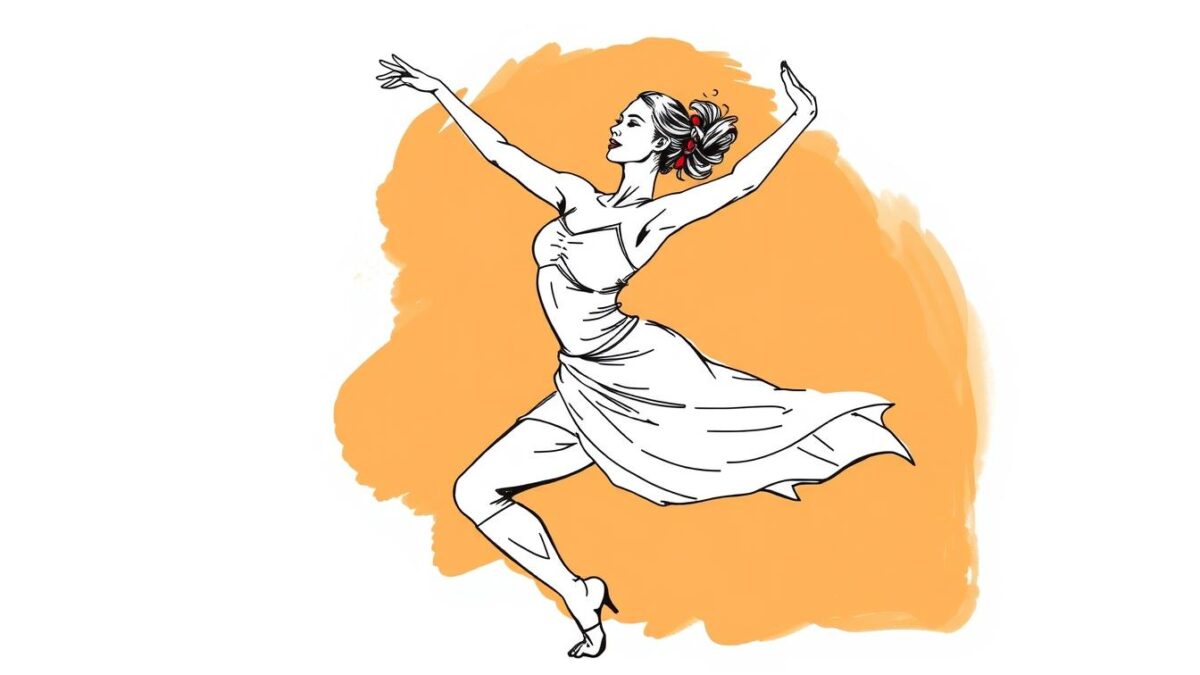
Sarah Bukowski commands the stage at the Metropolitan Opera. Her presence is a blend of precision and power, a testament to a career built over twenty years.
She is a freelance dancer who refuses to be confined by a single definition. Her work extends beyond performance into writing and advocacy, creating a career with multiple, simultaneous paths.
Born in Barranquilla, Colombia, her upbringing spanned the United States and Argentina. This multicultural foundation informs every aspect of her artistic and activist work today.
She brings the same clarity to her writing as she does to movement. Her contributions to publications on dance and the arts add a vital intellectual layer to her profile.
As a Governor for the American Guild of Musical Artists, Bukowski shapes the future of labor rights for performers. She embodies the rare combination of artist and advocate, proving these roles can powerfully coexist.
A Diverse Background: From Barranquilla to New York and Beyond
The unique texture of her artistry stems directly from a childhood spent navigating multiple cultures and dance forms. Born in Barranquilla, Colombia, sarah cecilia absorbed the rhythms of the Caribbean before her family’s moves to the United States and Argentina added new layers. This cross-cultural foundation became her first and most enduring teacher, long before she arrived in new york.
Early Life and Cultural Influences
Growing up across three countries meant experiencing dance through different lenses. In Argentina, movement felt communal and rooted in social tradition. In the United States, it was often structured within a studio’s walls. These contrasting experiences taught her that bodies communicate meaning beyond mere technique. Context shapes every step.
Foundations in Ballet, Modern, and Contemporary Dance
Her technical training was equally diverse. Cecilia bukowski approached each discipline not as separate skills, but as complementary languages. She learned the grammar of ballet, the expressiveness of modern, and the innovative freedom of contemporary forms. This versatile base allowed her to bend traditions and forge a unique movement vocabulary.
| Dance Discipline | Core Focus | Artistic Contribution |
|---|---|---|
| Ballet | Classical rigor, line, and precision | Provided a strong technical foundation and discipline |
| Modern Dance | Emotional expression and gravity | Freed movement from strict classical forms |
| Contemporary | Innovation and narrative exploration | Allowed for blending techniques and personal storytelling |
This combination of life experience and formal training prepared her for a career that would defy easy labels. It was a preparation for complexity, not just performance.
Sarah Bukowski: Breaking Barriers in Dance and Activism
Few performers bridge the gap between classical repertoire and contemporary social justice work with such authentic conviction. Her career demonstrates how artistic excellence and meaningful advocacy can coexist and strengthen each other.
Professional Journey and Notable Performances
This dancer has graced stages from the Metropolitan Opera to Oregon Ballet Theatre. Her performance credits span major institutions and experimental companies alike.
She has interpreted works by legendary choreographers including George Balanchine and Merce Cunningham. This requires both historical understanding and physical precision.
| Performance Venue | Notable Choreographers | Recognition |
|---|---|---|
| Metropolitan Opera | Jerome Robbins, Robert Garland | Pointe Magazine Top 10 (2013) |
| San Francisco Opera | Merce Cunningham, Amy Seiwert | Isadora Duncan Award Nominations |
| Dance Theatre of Harlem | Arthur Mitchell, Nacho Duato | Critical acclaim for technical range |
Championing Social Justice and Workers’ Rights
Beyond the stage, Bukowski channels firsthand experience into structural change. She serves as Governor for the American Guild of Musical Artists.
Her work focuses on improving conditions for performing artists nationwide. This includes contract negotiations and policy changes that address real needs.
She champions cultural equity and workers’ rights through concrete action. Her advocacy demonstrates how artists can shape their industry from within.
Innovative Dance Projects and Artistic Collaborations
The intersection of movement and other art forms creates spaces where dance evolves beyond tradition. This approach defines a career built on creative partnerships.
Interdisciplinary Ventures with Visual and Performing Artists
Collaboration serves as artistic methodology. The dancer works with filmmakers, photographers, and musicians.
These partnerships produce video installations and short films. Projects include the San Francisco Dance Film Festival’s Co-Laboratory. Each work pushes traditional boundaries.
Freelance Highlights at the Metropolitan Opera and Beyond
Large-scale productions at the metropolitan opera demand technical precision. They also require dramatic presence.
This institutional work balances with smaller experimental projects. Both feed creative curiosity and professional growth.
Writing and Critical Contributions to Dance Publications
As a writer, she contributes to major dance publications. Her work includes criticism, interviews, and personal essays.
She serves as Writer in Residence for amy seiwert imagery. This role documents artistic process from within the creative team.
| Collaboration Type | Key Partners | Artistic Focus | Notable Outcomes |
|---|---|---|---|
| Film Projects | San Francisco Dance Film Festival | Movement through cinematic lens | Co-Laboratory short films |
| Visual Arts | John Sanborn | Video installation integration | Multimedia dance works |
| Literary | Amy Seiwert’s Imagery | Process documentation | Writer in Residence role |
| Institutional | Metropolitan Opera | Large-scale production | Featured performances |
These diverse works demonstrate how artists can shape their field through multiple creative channels.
Reflecting on a Legacy of Movement and Social Change
Her current research at Columbia University brings scholarly depth to questions that have always animated her artistic practice. Sarah Cecilia is completing a BA in Ethnic Studies, focusing her academic work on New York-based dancemakers exploring identity through experimental performance.
This academic pursuit connects directly to her career as a freelance dancer and activist. The research provides theoretical grounding for her works with companies like Amy Seiwert’s Imagery. Cecilia Bukowski demonstrates how scholarship and dance can inform each other.
Her approach shows that sustainable change requires multiple entry points. As a dancer, writer, and advocate for artists, she builds a legacy where art and justice intersect. Even her personal rhythms—reading, swimming, tending plants—sustain this extraordinary work.