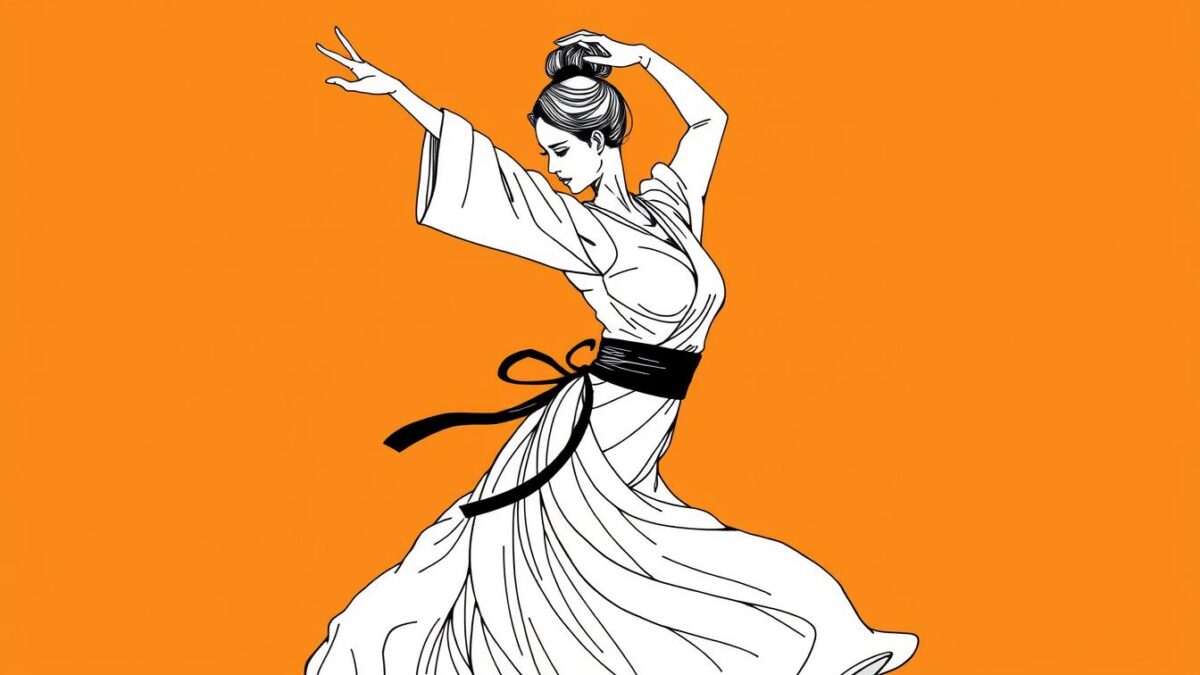
Rui Takagi commands the stage with precision that feels effortless. Her work bridges traditional Japanese movement with contemporary expression. Each performance reveals years of practice distilled into moments that breathe.
She trains in Tokyo studios humming with discipline. Classical forms meet new choreographic ideas there. This environment shapes performers who refuse to choose between heritage and innovation.
Her performances don’t rely on spectacle. They build from clarity instead. Every gesture carries intention. Each transition speaks of deep understanding.
Critics and audiences recognize this Japanese dancer for consistency. Her artistry deepens with every viewing. It rewards close attention rather than chasing viral moments.
This dancer star represents a new generation. They honor tradition while speaking to contemporary experience. Respect for craft and bold creative choices coexist in her work.
The Artistry Behind Rui Takagi
Her movement vocabulary builds bridges between Butoh’s emotional depth and ballet’s technical precision. This hybrid approach defines her contemporary dance practice. It creates a language that feels both ancient and immediate.
Innovative Dance Techniques
Rui Takagi treats breath as architectural foundation. Inhalation expands movement while exhalation contracts it. This organic rhythm makes phrases flow naturally.
Transitions appear effortless through meticulous weight transfer practice. Momentum shifts seamlessly from one gesture to the next. Thousands of hours refine this invisible craftsmanship.
Captivating Performance Style
Her performance style emphasizes presence over dramatic projection. She creates shared space with audiences where stillness holds power. Motion and pause carry equal weight.
Elements from Noh theater influence her pacing. Silence punctuates choreography, allowing absorption. Spatial relationships suggest narrative without literal storytelling.
This artist blends influences while maintaining their integrity. The result resists easy categorization yet feels distinctly cohesive.
Tracing the Roots of Japanese Dance Excellence
At the heart of Japan’s dance heritage is a commitment to mastering form through relentless repetition. Dancers spend years perfecting single gestures before advancing. This builds muscle memory that becomes second nature.
Distinct forms like Nihon Buyo and Kabuki movement each carry unique philosophies. They explore the body’s relationship to space and meaning differently. Butoh emerged post-war as a radical response to Western dominance.
This traditional dance values the grotesque and earthbound as legitimate expression. It embraces slow, deliberate movement over technical flash. The approach feels both ancient and immediately relevant.
Contemporary Japanese dance artists study these foundations intensively. They decide which elements to preserve and which to reimagine. This balance between respect and innovation defines the current landscape.
The concept of “ma”—the pause between motions—shapes rhythm fundamentally. It’s not about continuous flow but the relationship between sound and silence. This negative space carries as much weight as movement itself.
Training often begins in childhood, creating audiences who appreciate nuance. This cultural context helps explain why technical proficiency runs deep. The heritage provides rich soil for new growth.
The Rise of Rui Takagi
Recognition in the dance world often arrives like a sudden spotlight. For this artist, it was a slow, steady dawn built on the bedrock of her craft.
Her path reflects a commitment to substance over spectacle. This approach gradually earned deep respect from choreographers and critics alike.
Breakthrough Moments in Her Career
Key collaborations with established Japanese companies provided crucial visibility. She inhabited challenging new works with technical precision and emotional clarity.
Performances at major festivals in Tokyo and Kyoto showcased her remarkable range. She commanded both intense solo pieces and complex ensemble works with equal authority.
These moments solidified her reputation. They proved that a sustainable dance career could be built on artistic integrity.
Influence on Contemporary Dance Trends
Rui Takagi’s impact is seen in how a new generation approaches fusion. It’s now an intentional dialogue between forms, not random borrowing.
She advocates for dancers as full artists, not just interpreters. Her workshops focus on building personal vocabulary, not copying a style.
This philosophy shapes contemporary dance trends towards deeper craft and community. It prioritizes lasting influence over fleeting fame.
Cultural Impact of Dance in Japan Today
The current state of dance in Japan reflects a society deeply connected to its artistic heritage while embracing global influences. This creates a rich cultural impact that shapes both performers and audiences.
Heritage and Modern Inspirations
Traditional forms like Nihon Buyo maintain strong followings with dedicated theaters. These spaces honor specific viewing traditions and aesthetic requirements.
Modern dance draws inspiration from international exchange. Japanese artists study abroad while global choreographers create work in cultural centers like Tokyo and Osaka.
This blend creates a unique artistic landscape. It values preservation while encouraging boundary-pushing experimentation.
Community and Artistic Exchange
The artistic community thrives through diverse networks. Independent companies, university programs, and informal collectives share resources and knowledge.
Festivals provide concentrated opportunities for cross-generational dialogue. They bring together practitioners for performances and workshops.
Funding models vary between traditional arts with cultural protection and contemporary forms relying on international partnerships.
| Dance Form | Key Characteristics | Primary Venues | Audience Base |
|---|---|---|---|
| Nihon Buyo | Classical storytelling, precise gestures | Traditional theaters | Multi-generational |
| Butoh | Avant-garde, slow movement | Experimental spaces | Contemporary art enthusiasts |
| Modern Dance | Fusion techniques, global influences | Cultural centers, festivals | International audiences |
From Japan to the Global Stage: A New Era
International dance festivals now regularly feature Japanese artists, recognizing the distinctive quality of their training and expression. This global stage welcomes performers who bring technical precision and unique aesthetic sensibilities. Their ability to bridge cultural contexts through movement creates meaningful international exchange.
Rui Takagi exemplifies this generation of artists comfortable in multiple contexts. She adapts to different theatrical traditions without compromising artistic identity. Cultural literacy matters in how movement vocabularies translate across audiences.
Digital platforms allow worldwide access to Japanese dance. Screen-based viewing changes the experience, losing spatial dimensions central to live performance. Yet it creates unprecedented visibility for Japanese performers.
| Platform Type | Primary Focus | Audience Reach | Key Challenges |
|---|---|---|---|
| International Festivals | Cultural exchange and innovation | Global art enthusiasts | Balancing tradition with contemporary appeal |
| Company Collaborations | Hybrid artistic creation | Dedicated dance communities | Maintaining artistic integrity in fusion works |
| Digital Streaming | Accessibility and exposure | International general public | Preserving performance essence on screen |
Collaborations between Japanese and international artists produce hybrid works that expand creative possibilities. These partnerships thrive with mutual respect and genuine curiosity. The new era offers visibility while raising questions about cultural preservation and artistic ownership.
Behind the Scenes: Daily Life and Training Regimens
Before the curtain rises, there are hours of quiet work that few ever see. This foundation of daily dance training separates professional artists from occasional performers. The routine becomes a lifestyle.
Inside Practice Sessions and Routines
Each day begins with fundamental exercises. These maintain strength, flexibility, and proper alignment. The unglamorous work sustains artistic capacity.
Rui Takagi balances technique class with repertory rehearsal. She includes time for improvisation and personal research. This approach covers maintenance, preparation, and exploration.
Injury prevention guides every session. Longevity requires listening to the body’s signals. Pushing through pain is never the answer.
| Daily Component | Primary Focus | Time Allocation | Key Benefits |
|---|---|---|---|
| Technique Class | Foundation building | 90 minutes | Maintains precision and form |
| Repertory Rehearsal | Performance preparation | 2-3 hours | Refines specific choreography |
| Improvisation/Research | Creative exploration | 60 minutes | Develops personal movement vocabulary |
| Practice Routines | Physical maintenance | 30 minutes | Prevents injury, builds endurance |
Nurturing Creativity and Discipline
Creativity emerges through consistent engagement. Discoveries surface during repetition and variation. Waiting for inspiration rarely works.
Discipline means showing up when motivation falters. The work itself generates energy. Breakthroughs often arrive during ordinary sessions.
Mental training complements physical practice. Visualization and mindfulness maintain focus. They help manage performance pressure.
Rest and recovery receive equal attention. Adequate sleep and nutrition support sustainable performance. These are essentials, not luxuries.
Looking Ahead: Echoes of Rui Takagi’s Enduring Influence
Legacy in dance extends beyond performance years into the creative currents artists set in motion. Rui Takagi’s work establishes patterns that will resonate through coming generations.
Her shift toward choreography applies deep interpretive experience to shaping movement for others. This artistic influence extends her reach beyond the stage. Community building remains central to her approach.
The future of dance will reflect values she embodies—technical rigor paired with creative curiosity. Her dance legacy may rest in how she demonstrated sustainable artistry. It shows integrity and professional success can coexist.
Students and colleagues carry these principles forward. They ensure her impact continues shaping Japanese dance in global contexts for years to come.