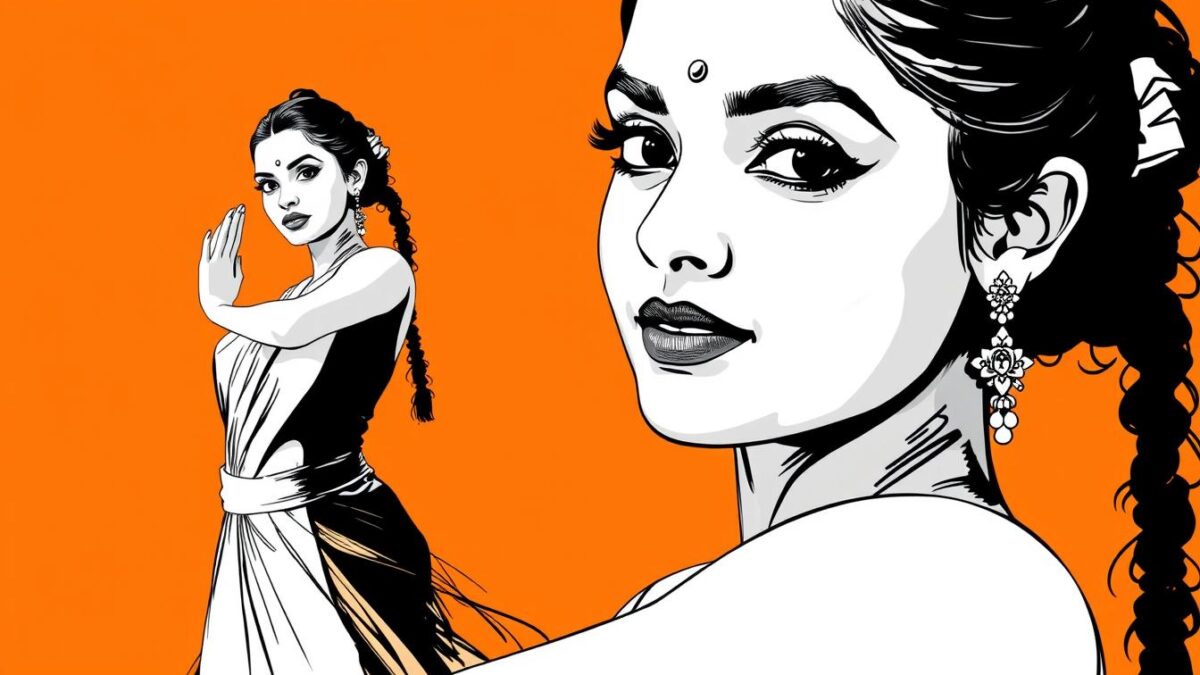
Priyanka Chandrasekhar commands attention through the deliberate weight of her choices. This professional classical dancer, based in Bangalore, also built a foundation in law. She refuses to let either discipline define her completely.
Her artistic foundation is deep. She trained her body in Bharatanatyam for over twenty-five years and Kathak for a decade. This long study includes the precise margi techniques of movement.
She now operates as a freelance performer and choreographer. Her work moves between solo intensity and group collaboration across India and abroad. She performs without chasing validation or headlines.
Through her initiative “Nirali,” she offers Bharatanatyam classes. These sessions quietly reshape traditional pedagogy. She is redefining who gets to claim space within the classical form.
Her blog blends laya (rhythm), law, and love. It gives readers an honest look at the process of being both a dancer and a critical thinker. Her work lives where the grace of classical dance meets the rigor of legal thought.
A Deep Dive into the Journey of a Classical Dancer
Legal precision meets choreographic expression in this dancer’s unconventional trajectory. The dual identity informs every aspect of her artistic practice.
From Law to Dance: Navigating Dual Careers
Her legal education became a critical lens for examining classical traditions. Rather than a career detour, it provides tools to question what the form codifies and excludes.
The lawyer-performer dynamic creates deliberate collisions. Legal argument transforms into choreographic structure. This approach values process over spectacle.
- Legal training enables critical examination of dance traditions
- Courtroom precision informs choreographic composition
- Autonomous freelance work reflects professional values
Embracing 25 Years of Bharatanatyam and Kathak
Twenty-five years of Bharatanatyam built technical mastery. An additional decade in Kathak revealed how different traditions hold the body.
Margi movement techniques taught her about the politics embedded in physical forms. This deep training informs her current work as a performer.
She moves between solo and group formats with equal commitment. Each requires different negotiations of space and audience connection.
Exploring the Life and Works of Priyanka Chandrasekhar
In her performance “Kannadi,” Priyanka Chandrasekhar transforms the dance space into a mirror reflecting society’s unspoken tensions. This anthology of new works investigates the relationship between classical performance and contemporary reality.
Interdisciplinary Expressions in Movement and Performance
Her choreography tests traditional texts against modern life. The works reveal gaps and contradictions in familiar poetry.
She creates a collision of personal stories, law, and politics through movement. This approach gives co-creators and audiences agency in the artistic process.
The performance asks difficult questions about relevance and tradition. It challenges whether classical dance can hold contemporary political realities.
Reimagining Margam and Pedagogy in Classical Dance
She interrogates the traditional margam structure of Bharatanatyam. Her work questions whether this sequence still serves the art form.
The artist is redesigning classical dance pedagogy for accessibility and critical thinking. She aims to create a curriculum that centers relevant content and personal experience.
This reimagining moves beyond technical replication. It encourages students to engage with the history and politics of the form.
The Intersection of Politics, Personal Stories, and Dance Pedagogy
A lifetime of discipline created a rupture between mind and body that now fuels her artistic inquiry. Her work lives where personal experience meets institutional critique.
Questioning Traditional Structures and Cultural Norms
Classical dance pedagogy often reinforces hierarchies that separate mind from body. The artist experienced this firsthand in her Brahmin upbringing.
Her training taught her to perform beauty while denying she possessed it. A senior artist once advised her to smile less, calling her presence too distracting. This message reinforced that her body should serve tradition, not express itself.
The form became a tool for constructing an acceptable, marriageable identity. Silks and decorations masked the silent witness within.
Personal Narratives that Challenge Historical Violences
Her personal stories expose how caste, gender, and pedagogy collaborate to discipline the body. These narratives aren’t confessions but political acts.
She suppressed incidents of violence to prove her mind’s superiority over bodily desires. Returning to spaces of abuse became a twisted test of sincerity.
Now at thirty, her body refuses the prettiness it was trained to perform. Little desires come with guilt, and connection feels difficult. Her questions about ownership and resistance become survival strategies.
This work challenges how classical forms can stop cannibalizing the bodies they claim to celebrate. It refuses to separate the aesthetic from the political.
Reflections on Legacy and the Future of Classical Dance
For this artist, decades of training are a starting point for dismantling the very structures she mastered. Her future work in Bharatanatyam will hold relevant content and a thinking mind. It aims to leave audiences with a profound experience, not just entertainment.
She is redesigning classical dance pedagogy from her base in Bangalore. The new curriculum must be accessible and critical. It will teach students to question the history and politics embedded in the repertoire.
This classical dancer seeks a new relationship between body and mind. The body should not be punished for existing. Her lived stories become the core content, reclaiming space for agency and voice.
The future of the form depends on such rigorous, personal work. It ensures tradition can hold the truth of the bodies that perform it.