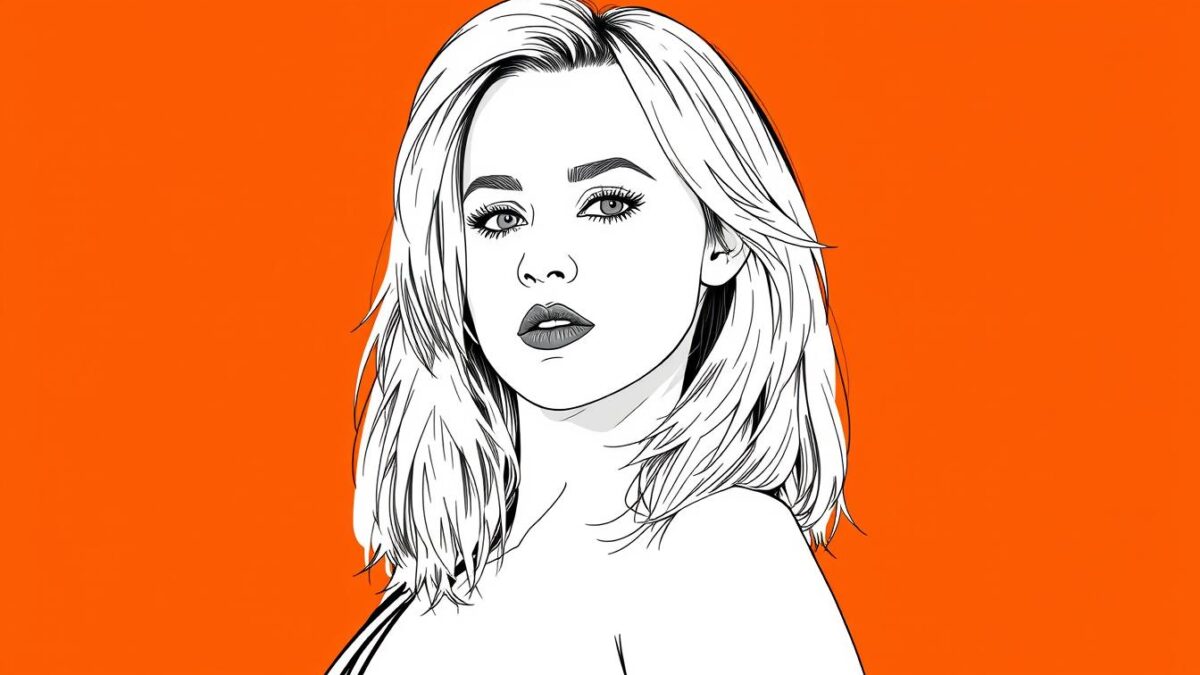
Destiny Hope Cyrus entered the world on November 23, 1992, in Franklin, Tennessee. She would grow into the defining pop star we know today. Her journey from a small-town girl to a global music phenomenon is a story of constant reinvention.
Born into a musical family as the daughter of country singer Billy Ray Cyrus, her path seemed destined. She first captured hearts as the face of Disney Channel’s *Hannah Montana*. This dual identity—teen idol and serious artist—set the stage for her future.
Her career is marked by bold artistic shifts. She commands the pop landscape with powerful vocals and hit songs. With two number-one singles on the Billboard Hot 100 and 63 charted songs, her impact is undeniable.
Her work has earned top honors, including three Grammy Awards. The track “Flowers” even won Record of the Year. This exploration traces her evolution from a child star to an enduring icon of modern music.
Early Life and Family Background
Franklin, Tennessee welcomed a future star on a November day in 1992. Destiny Hope came into the world with a medical condition that would shape her resilience. Supraventricular tachycardia gave her an abnormal resting heart rate from birth.
Birth, Childhood, and Naming Origins
The name Destiny Hope reflected her parents’ belief in great accomplishments. Her cheerful nature earned her the nickname “Smiley” as an infant. This later shortened to the name the world would know.
In 2008, she legally changed her name to honor her grandfather. Ronald Ray Cyrus, a Democratic politician from Kentucky, inspired her middle name. The change marked her growing identity as an artist.
Influence of Family and Early Support
Growing up on a 500-acre farm outside Nashville shaped her world. Country music heritage flowed through her family. Billy Ray Cyrus, her father, provided early exposure to the entertainment industry.
Her mother Tish served as manager during formative years. The large blended family included siblings Noah, Trace, Brandi, Braison, and half-brother Christopher Cody. Family support proved foundational to her development.
Dolly Parton, her godmother, offered additional guidance. Southern Baptist upbringing included baptism before the Hollywood move. Heritage Elementary School in Williamson County provided early education.
| Family Member | Relationship | Notable Influence |
|---|---|---|
| Billy Ray Cyrus | Father | Country music career exposure |
| Tish Cyrus | Mother | Early management and support |
| Dolly Parton | Godmother | Industry guidance and mentorship |
| Ronald Ray Cyrus | Grandfather | Namesake and political heritage |
The contrast between her destined name and sunny nickname defined her public persona. This balance of seriousness and approachability would characterize her career.
Rise to Stardom: From Child Star to Teen Idol
At age eight, a theatrical production ignited the spark that would fuel a meteoric rise to fame. Seeing Mamma Mia! in Toronto, young Miley declared her acting ambitions to her father. This moment set a determined course toward professional performance.
Initial Television Roles and Early Fame
Her first on-screen appearance came in 2001 as Kylie in her father’s series Doc. This role offered early exposure to television production. It marked the beginning of her professional journey.
The following years brought legitimate film opportunities beyond family connections. She appeared as Young Ruthie in Tim Burton’s Big Fish in 2003. Each role built essential skills and industry relationships.
Transition from Child Performer to Music Sensation
Strategic career planning became crucial during this formative time. Her mother Tish assumed management duties and assembled a professional team. They enrolled her in Toronto’s Armstrong Acting Studio for formal training.
A pivotal decision shaped her entire trajectory. She auditioned for Sharkboy and Lavagirl but chose Hannah Montana instead. This choice would define her path as both actor and musician.
Talent agent Mitchell Gossett recognized her potential early. He secured the audition that would launch her Disney Channel breakthrough. These apprenticeship years blended natural talent with deliberate preparation.
Each early role served as building blocks toward teen idol status. The transition from child performer to emerging star was underway. Professional foundations were firmly established during this period.
Breakthrough with Hannah Montana
The Hannah Montana audition process began with modest expectations but ended with a star-making turn. At thirteen, she tried out for the best friend role. Her comical performance caught the casting directors’ attention.
Initial concerns about her being “too small and too young” faded quickly. Her dual singing and acting abilities proved perfect for the demanding lead role. She landed the part of Miley Stewart, a character living a double life.
Disney Channel’s Impact on Her Career
March 2006 marked the series premiere to record-breaking numbers. It became the largest audience for any Disney Channel program. The show immediately ranked among basic cable’s highest-rated series.
The premise mirrored her own emerging duality. A teenager balancing ordinary student life with pop sensation fame. This concept resonated deeply with young audiences worldwide.
Success expanded rapidly beyond television. She became the first Disney act to secure deals across multiple platforms. Television, film, consumer products, and music all fell under her domain.
| Milestone | Date | Impact |
|---|---|---|
| Series Premiere | March 2006 | Largest Disney Channel audience |
| Cheetah Girls Tour | September 2006 | Live audience introduction |
| Soundtrack Release | October 2006 | Topped Billboard 200 chart |
| Global Sales | 2006-2011 | Over 3 million copies worldwide |
The October 2006 soundtrack topped the Billboard 200. It sold over three million copies globally. This proved her musical credibility extended far beyond the television show.
Her September 2006 tour with the Cheetah Girls cemented her status. Hannah Montana became a household name. The show ran successfully until 2011, generating two number-one soundtracks.
Musical Beginnings and Early Releases
A pivotal moment arrived in June 2007 with the release of ‘Hannah Montana 2: Meet Miley Cyrus’. This two-disc set was a masterstroke in branding. It strategically separated the music of her television character from her personal artistic identity.
The first disc served as the second official soundtrack for the hit show. The second disc, titled ‘Meet Miley Cyrus’, marked her proper debut studio album. This clear division established her solo credentials beyond the Disney brand.
Debut Albums and Chart-Topping Soundtracks
The album’s commercial triumph was immediate. It became her second consecutive project to hit number one on the Billboard 200. Sales soared past three million copies, proving her power extended far beyond television.
The lead single “See You Again” was a massive hit. It sold over two million copies in the United States alone. The song’s success demonstrated a broad crossover appeal to audiences who might not watch the show.
A special collaboration with her father, Billy Ray, on “Ready, Set, Don’t Go” blended family connection with professional artistry. The accompanying Best of Both Worlds Tour generated historic demand. Ticketmaster officials compared the frenzy to that of The Beatles or Elvis.
This success led to a 3D concert film in 2008. Initially planned for a limited release, it was expanded due to overwhelming public interest. These early releases cemented a career pattern of chart dominance and powerful live performance.
Transition to a Solo Music Career
Breaking free from character constraints, the artist’s second studio album delivered career-best sales. Breakout arrived in June 2008, earning the highest first-week numbers of her career. It became her third consecutive album to top the Billboard 200 chart.
The record showcased sonic maturity while maintaining pop accessibility. This strategic balance positioned Miley Cyrus as an artist capable of growth beyond teen idol confines. Her evolving sound signaled a deliberate transition toward independence.
Simultaneously, she made her film debut voicing Penny in Disney’s Bolt alongside John Travolta. She co-wrote the duet “I Thought I Lost You” for the soundtrack. The song earned a Golden Globe nomination for Best Original Song.
March 2009 brought “The Climb” from the Hannah Montana: The Movie soundtrack. This powerful ballad became a crossover hit resonating in both pop and country formats. The soundtrack became her fourth number-one album on Billboard 200.
At sixteen, she became the youngest artist ever to secure four number-one albums. The July 2009 fourth Hannah Montana soundtrack debuted at number two, showing slight commercial cooling. She also launched the Walmart fashion line Miley Cyrus and Max Azria.
| Project | Date | Achievement |
|---|---|---|
| Breakout Album | June 2008 | Highest first-week sales, third Billboard 200 #1 |
| Bolt Film | November 2008 | Film debut, Golden Globe nomination |
| “The Climb” Single | March 2009 | Crossover hit, fourth Billboard 200 #1 album |
| Fourth Soundtrack | July 2009 | Debuted at #2, fashion line launch |
This period represented a strategic balancing act. She maintained Disney commitments while building an independent musical identity. The foundation was laid for a career that would survive Hannah Montana’s eventual end.
Exploration of Diverse Musical Genres
Her artistic path is defined by a refusal to be confined to a single sound. Each album marks a new chapter of sonic discovery. This journey reflects a deep and authentic creative curiosity.
Pop, Rock, and Country Influences
The solo career launched with number-one pop rock albums. These early works established a powerful foundation. They blended youthful energy with growing musical ambition.
A deliberate shift followed with a dance-pop record aiming for a mature image. While reviews were mixed, it signaled a bold move. The artist was clearly charting her own course.
She later reconnected with her roots through a country-influenced project. This album felt like a heartfelt homecoming. It honored the musical heritage of her Tennessee upbringing.
A rock-oriented record further demonstrated incredible versatility. It featured collaborations that spanned decades of pop music history. This time period showcased her command of different styles.
Embracing Hip Hop and R&B Elements
A major turning point came with a new label and a new sound. The album was a bold dive into hip hop and R&B. Working with top producers created a defining cultural moment.
An experimental psychedelic pop album was released for free online. This project prioritized pure artistic freedom over commercial success. It was a clear statement of creative independence.
Her most recent work continues this pattern of exploration. The music shows a willingness to venture into new sonic territories. Each song feels like a fresh chapter in an ongoing story.
This genre fluidity is not about chasing trends. It is about using pop, rock, country, hip hop, and R&B as expressive tools. The artist treats music as a limitless playground for authentic creation.
Miley Cyrus: A Multifaceted Artist
Beyond the microphone, her talents extend into a rich tapestry of creative disciplines. She is a singer, songwriter, and actress whose skills are deeply rooted in instrumental proficiency. Playing guitar and piano adds layers to her songwriting and live pop performances.
Singing, Songwriting, and Performance Artistry
Her reputation as an influential figure in popular music is built on constant evolution. Each new project challenges expectations. This artistic restlessness ensures her music remains fresh and relevant over time.
She doesn’t just perform songs; she crafts them. This holistic approach integrates vocals, instrumentation, and visual storytelling. It creates a complete artistic experience for her audience.
Acting, Directing, and Beyond
Her film career showcases impressive range. It includes voice work in Bolt and leading roles in films like The Last Song. These projects demonstrated her ability to carry a narrative beyond music.
On television, she explored complex characters. Her role in the Black Mirror episode was a meta-commentary on pop stardom. Coaching on The Voice and hosting her own New Year’s Eve party highlighted her personality and live broadcast skills.
Miley Cyrus resists singular definition. She uses every creative outlet available to express ideas too big for one medium. This multidisciplinary practice is the hallmark of a true artist.
Signature Hits and Iconic Performances
Two songs would define the artist’s journey from teen idol to provocative adult star. These moments captured public imagination through both music and visual storytelling.
“Party in the U.S.A.” and Its Cultural Impact
Released in 2009, this track became an instant anthem. Its crossover appeal transcended her Disney image.
The song earned 14-times platinum certification in the United States. It remains a pop culture staple across demographics.
The Phenomenon of “Wrecking Ball”
This 2013 single marked her first number-one on the Billboard Hot 100. It maintained the top position for three consecutive weeks.
The accompanying music video generated immediate controversy. It garnered nineteen million views within twenty-four hours.
Critics debated the line between artistic expression and exploitation. The singer maintained creative control throughout the backlash.
| Song | Release Year | Billboard Hot 100 Peak | Certification |
|---|---|---|---|
| Party in the U.S.A. | 2009 | #2 | 14x Platinum (US) |
| Wrecking Ball | 2013 | #1 (3 weeks) | 2 million copies sold |
These calculated provocations successfully rebranded the artist. They transitioned her from child star to adult performer.
The “We Can’t Stop” music video set Vevo records for fastest views. It became the first to reach 100 million views on the platform.
Evolution of Image and Stage Persona
Each controversial choice served as a declaration of independence from the wholesome image that made her famous. The 2010 album Can’t Be Tamed marked the beginning of this deliberate transformation.
Lyrical content and live performances stirred debate. That same year, a video showed the eighteen-year-old artist smoking salvia, generating headlines worldwide.
In 2012, she cut her long brown hair into a blonde pixie cut. She described this change as life-changing authentic self-expression.
The hiring of manager Larry Rudolph in 2013 signaled serious pop provocateur ambitions. MTV declared her Artist of the Year that same time, validating her reinvention.
Her 2014 Bangerz Tour faced criticism for sexual content but earned praise for production quality. This contrasted sharply with her 2009 performance for Queen Elizabeth II.
| Transformation Moment | Year | Impact |
|---|---|---|
| Can’t Be Tamed Album | 2010 | First deliberate break from Disney image |
| Blonde Pixie Cut | 2012 | Visual rebranding and personal liberation |
| MTV Artist of the Year | 2013 | Industry recognition of new direction |
| Bangerz Tour | 2014 | Controversial but critically acclaimed live shows |
This evolution represented strategic self-authorship. Each provocative move reclaimed her narrative from the machinery that created her initial persona. Cyrus aimed to control her own story until the end.
Impact on Pop Culture and the Music Industry
Beyond the hit songs, the artist’s influence reshaped the landscape for 21st-century pop stars. Her career offers a masterclass in navigating fame with authenticity.
Objective data supports her cultural claims. Billboard ranked her the ninth-greatest female artist on the Billboard 200.
She stands among the greatest pop stars of the 21st century.
Billboard Achievements and Record-Breaking Moments
Her chart history is remarkable. She has scored two number-one hits on the Billboard Hot 100.
In total, 63 of her songs have charted, with 13 reaching the Top 10. The RIAA certified her as the eighth-highest female digital singles artist.
A pivotal record was set at age sixteen. She became the youngest artist ever to have four number-one albums on the Billboard 200.
Her 2013 album, Bangerz, was her fifth chart-topper. It debuted at number one with 270,000 first-week sales.
This success came despite its controversial content, proving her artistic power.
Influence on Future Artists
Her accolades are a testament to her reach. She has won three Grammy Awards and one Brit Award.
Other honors include five Billboard Music Awards and three MTV Video Music Awards. She also holds eight Guinness World Records.
Even her early employer recognized her impact. She was named a Disney Legend for her contributions.
Prestigious lists like the Time 100 and Forbes 30 Under 30 have featured her multiple times.
For many young artists, she provided a template. Her journey from child star to respected adult artist showed a path of authentic reinvention.
| Award | Count | Significance |
|---|---|---|
| Grammy Awards | 3 | Peak industry recognition for musical excellence |
| Billboard Music Awards | 5 | Direct reflection of commercial chart success |
| MTV Video Music Awards | 3 | Honors innovation and impact in music video format |
| Guinness World Records | 8 | Certifies unique, record-breaking achievements |
Collaborations and Notable Partnerships
Her collaborations read like a curated playlist of modern music, spanning genres and generations. These partnerships are not random celebrity pairings but deliberate artistic choices.
They expand her sonic palette and cultural reach across diverse musical communities.
Working with Family and Industry Legends
An early highlight was the 2007 song “Ready, Set, Don’t Go” with her father, Billy Ray Cyrus. This collaboration blended personal connection with professional artistry.
It set a precedent for meaningful duets.
She quickly ventured into hip-hop, featuring on tracks like Snoop Lion’s “Ashtrays and Heartbreaks” and will.i.am’s “Fall Down.” The single “23” with Mike Will Made-It peaked at number eleven on the Hot 100.
Her exploration extended to electronic music with Borgore on “Decisions.” High-profile producers like Pharrell Williams shaped the sound of her album Bangerz.
A symbolic moment occurred during her 2014 MTV Unplugged set. Madonna’s guest appearance felt like a passing of the torch between pop icons.
More recent work includes powerful duets with artists like Elton John, Taylor Swift, Dua Lipa, and Morgan Wallen. Each song showcases her remarkable range across pop, country, and rock contexts.
Miley Cyrus uses collaboration as a tool for constant reinvention and genuine artistic discovery.
Social Influence and Philanthropy
The same authenticity that fuels her musical reinventions extends powerfully into her philanthropic work with marginalized communities. Her advocacy represents a genuine evolution from personal experience to public purpose.
Happy Hippie Foundation and Advocacy Work
In 2014, Miley Cyrus founded the Happy Hippie Foundation to support LGBTQ youth and address homelessness. The organization focuses on direct action for vulnerable populations.
The foundation gained visibility through her Backyard Sessions web series from 2012-2023. These stripped-down performances raised awareness and funds for the cause.
This work contrasts sharply with her Southern Baptist upbringing. She wore a purity ring and attended church regularly before moving to Hollywood.
The foundation tackles systemic issues facing youth rejected by families. It provides practical support for those marginalized due to sexual orientation or gender identity.
Her advocacy shows how personal growth informs social justice work. The same boundary-pushing that defines her music extends to her philanthropy.
The Happy Hippie Foundation demonstrates that her public provocations serve deeper purposes. They channel attention toward communities needing support.
Through this work, she leads with the same commitment that defines her artistic journey. It’s a sustained effort beyond momentary publicity.
Media Coverage, Controversies, and Reinventions
Navigating fame meant constant negotiation between privacy and publicity. The artist’s relationship with media evolved through calculated moves and unexpected violations.
Publicity Stunts and Tabloid Headlines
April 2008 brought her first major privacy violation. Hacked photos of the fifteen-year-old in swimwear leaked online. This invasion marked a turning point in her public life.
The Vanity Fair controversy followed quickly. Annie Leibovitz’s artistic photo shoot sparked outrage. The New York Times clarified she was wrapped in a sheet, not topless.
She demonstrated early social media savvy with “The Miley and Mandy Show.” The YouTube series with friend Mandy Jiroux built direct fan connections. This foreshadowed her future control over public narrative.
Her Saturday Night Live hosting appearances became masterclasses in damage control. In March 2011 and October 2013, she directly addressed controversies through comedy. She reclaimed her story with sharp self-awareness.
The cascade of provocations defined this era. The salvia video, VMA performance, and Wrecking Ball music video each generated massive attention. Media coverage amplified both criticism and commercial success.
Consequences sometimes followed the headlines. The penis-shaped birthday cake incident cost her the Hotel Transylvania role. Each controversy carried professional risks alongside increased visibility.
This period showed a complex media relationship. She courted attention while suffering invasions. The pop star navigated public judgment during her transition to adulthood.
Miley Cyrus in Film and Television
The silver screen offered another canvas for the artist’s talents beyond the recording studio. Her acting career spanned various genres and formats.
Memorable Acting Roles and Film Projects
Her film journey began with voice work in Disney’s Bolt (2008). The animated role showcased her vocal versatility.
Hannah Montana: The Movie (2009) extended her Disney franchise to theaters. It brought her character to the big screen.
The Last Song (2010) marked her first major dramatic lead. Based on a Nicholas Sparks novel, it became a box office success.
Later projects like LOL (2012) and So Undercover (2013) faced critical challenges. These films suggested her strengths lay beyond traditional acting.
| Film Project | Year | Role Type | Reception |
|---|---|---|---|
| Bolt | 2008 | Voice Role | Critical Success |
| Hannah Montana: The Movie | 2009 | Franchise Extension | Commercial Hit |
| The Last Song | 2010 | Dramatic Lead | Box Office Success |
| LOL | 2012 | Supporting Role | Critical Failure |
Documentaries, Guest Appearances, and TV Specials
The foundation remained her Disney Channel show that aired from 2006 to 2011. This platform launched everything that followed.
Miley: The Movement (2013) documented her controversial transformation. It provided context for her public image shift.
She demonstrated range in Woody Allen’s Crisis in Six Scenes (2017). Coaching on The Voice (2016-2017) showed her mentoring skills.
The Black Mirror episode “Rachel, Jack and Ashley Too” (2019) earned critical praise. It featured meta-commentary on pop stardom.
Hosting Miley’s New Year’s Eve Party (2021-2022) highlighted her comfort with live television. Guest spots on Two and a Half Men and Saturday Night Live completed her TV portfolio.
A Deep Dive into Miley Cyrus’s Billboard Journey
The Billboard charts tell a story of sustained commercial success that few artists achieve. Miley Cyrus’s relationship with these charts spans her entire career.
Her Billboard 200 dominance is undeniable. The singer ranks as the ninth-greatest female artist on this prestigious chart.
Before turning seventeen, she achieved something remarkable. Four consecutive albums reached number-one on the Billboard 200.
This unprecedented streak began in 2006. The Hannah Montana soundtrack started the run. Hannah Montana 2: Meet Miley Cyrus followed in 2007.
Breakout became her third chart-topper in 2008. The Hannah Montana: The Movie soundtrack completed the set in 2009.
At age sixteen, she set a record. Miley Cyrus became the youngest artist ever with four number-one Billboard 200 albums.
| Album | Year | Billboard 200 Peak |
|---|---|---|
| Hannah Montana Soundtrack | 2006 | #1 |
| Hannah Montana 2: Meet Miley Cyrus | 2007 | #1 |
| Breakout | 2008 | #1 |
| Hannah Montana: The Movie Soundtrack | 2009 | #1 |
| Bangerz | 2013 | #1 |
Her Hot 100 journey is equally impressive. Sixty-three songs have charted, with thirteen reaching the Top 10.
“Wrecking Ball” became her first number-one in 2013. It held the top spot for three weeks.
A decade later, “Flowers” became her second Hot 100 chart-topper. This song also won Record of the Year at the Grammys.
These numbers confirm her enduring relevance across multiple career phases. The Billboard achievements provide objective proof of her impact.
Future Prospects and Evolving Artistry
Signing with Columbia Records marked a significant shift toward a more refined and self-assured artistic phase. Her eighth studio album, Endless Summer Vacation (2023), reflected this mature artistry. It arrived after three decades of navigating the entertainment industry.
Anticipating New Musical Directions
The lead single “Flowers” became an international phenomenon. It secured her second US number-one single and won two Grammy Awards, including Record of the Year. This success cemented her status among the greatest pop stars.
Her ninth studio album, Something Beautiful (2025), is announced as a visual album and musical film. This format suggests continued innovation in how music is presented. It connects to a broader artistic vision that integrates sound with cinematic storytelling.
She continues to explore various genres, refusing to settle into a predictable formula. This artist’s unique trajectory is remarkable. Cyrus became the first Disney act with deals across all entertainment divisions before earning Disney Legend status.
Her legacy is secure, yet her creative output remains vital and unpredictable. The future holds open-ended possibilities for an artist proven capable of successful reinvention. She may yet surprise audiences with directions nobody anticipates.
Final Reflections on a Superstar’s Journey
The arc from child performer to Grammy-winning icon demonstrates a rare mastery of career reinvention. Miley Cyrus transformed from Disney sensation to influential pop force through bold artistic choices.
Her journey required navigating privacy violations and public judgment. Yet she consistently chose authentic expression over commercial safety. This courage defines her legacy.
The artist’s achievements speak volumes: three Grammy Awards, Billboard records, and philanthropic work through the Happy Hippie Foundation. She proves fame can serve purposes beyond personal success.
Her artistic restlessness refuses repetition. Constant genre exploration and diverse collaborations keep her music vital. This approach offers a template for artists trapped by early success.
After three decades in entertainment, she remains unpredictable. The pop star continues to surprise audiences who think they know what comes next. Her story is far from finished.