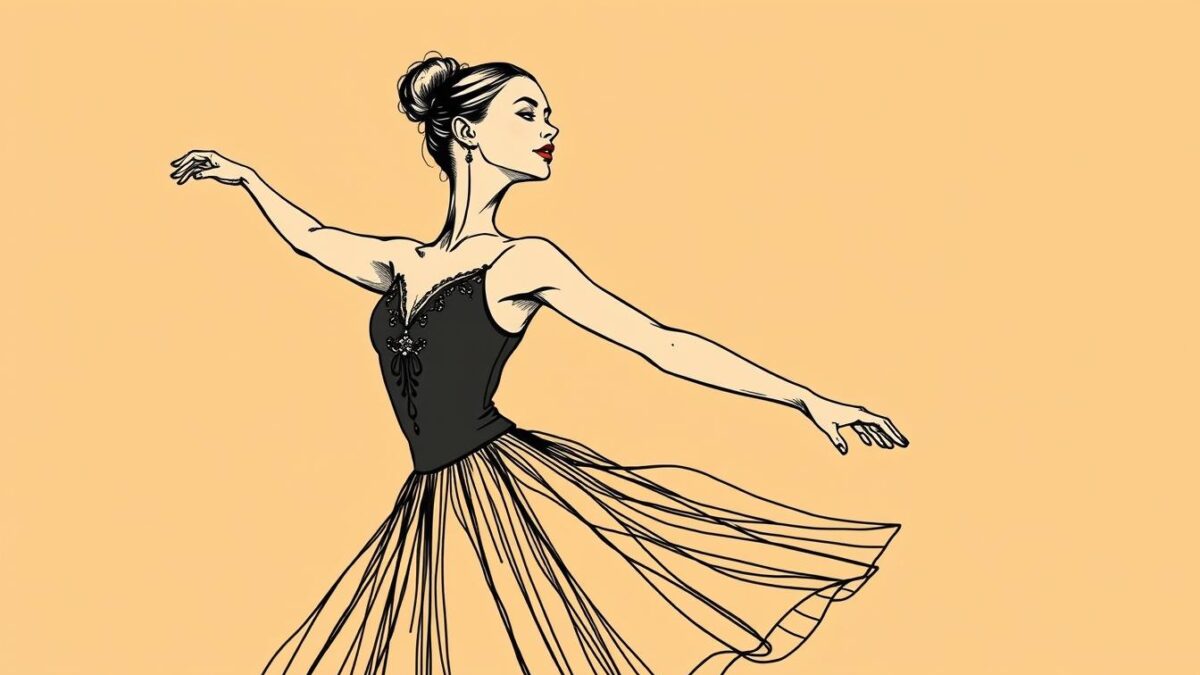
A young girl from Salisbury, Southern Rhodesia, would climb trees and race bicycles. Her journey to becoming a prima ballerina for the Royal Ballet began far from the London stage. She brought a unique energy and emotional depth to her performances.
Her career with the Royal Ballet defined an era. During the 1960s and 1970s, she captivated audiences with a brilliant technique and genuine charm. Critics noted her ability to texture vivacity with fine emotional details.
This dancer’s life was built on immense discipline. She rose from the corps de ballet to principal, dancing iconic roles like Aurora and Juliet. Her artistry made familiar stories feel new.
Beyond performance, her legacy includes shaping future generations. She served as director of the Royal Ballet School for fifteen years. Her work instilled a love for the craft itself.
Her story is one of resilience, celebrating the talent and hard work required for true excellence. It is a life dedicated to the art of ballet.
Early Life and Training Foundations
A doctor’s casual suggestion for a skinny child set a future star on an unexpected path. With no horses available, ballet lessons became the default choice. This simple decision ignited a passion that would define a lifetime.
Childhood in Rhodesia and Early Dance Influences
Her early years in Rhodesia were a mix of vibrant energy and physical challenges. An outdoor life of climbing and biking provided informal physical training. Yet she also faced illnesses and accidents, including a back injury from acrobatics.
As a child, her dance training began with local teacher Betty Lamb. She studied tap, acrobatics, and Greek dancing alongside ballet. A preference for classical technique and Greek dance eventually took focus.
Transition to British Ballet Schools
At fourteen, her family moved to England. She entered Elmhurst Ballet School for three years of serious training. Her talent shone brightly, marking her as an outstanding student.
A transfer to the prestigious Sadler’s Wells Ballet School in London followed. After a remarkably short time of just six months, she joined the corps de ballet. This company would soon become the renowned Royal Ballet, launching her professional career.
Merle Park’s Trailblazing Professional Journey
Her ascent within the Royal Ballet was a masterclass in steady, undeniable progression. This dancer’s career unfolded like a well-rehearsed performance, each role building toward the next.
Breakthrough Roles and Stage Milestones
Her professional stage debut was modest, a role in the ensemble. Yet, by 1955, her talent demanded soloist attention even while she was in the corps.
A promotion in 1958 solidified her place. She excelled in soubrette roles, her light frame and sunny style perfect for characters like Swanhilde.
Becoming a principal dancer in 1962 unlocked the full classical repertoire. She then mastered every major ballerina role over the following years.
The 1968 production of The Nutcracker with Rudolf Nureyev was a defining moment. Dancing Clara opposite the legendary artist propelled her to stardom.
Collaborations with Ballet Luminaries
Her career was elevated by partnerships with icons. She shared the stage with Rudolf Nureyev, Anthony Dowell, and Mikhail Baryshnikov.
These collaborations expanded her artistic range on international tours with the company. In 1970, a tour to Rhodesia with Petrus Bosman brought her artistry full circle.
She became the company’s most frequent Giselle. Her 1973 debut as Odette/Odile in Swan Lake showcased her powerful duality.
Artistic Innovations, Personal Challenges, and Teaching Legacy
Behind the flawless performances lay a constant battle with physical limitations. This dancer’s career balanced artistic innovation with personal resilience.
Signature Performances and Role Creations
Frederick Ashton crafted roles that showcased her unique talents. She excelled as Lise in La Fille mal gardée and Titania in The Dream.
Kenneth MacMillan gave her dramatic weight in roles like Juliet and Manon. Her Countess Marie Larish in Mayerling brought a late-career triumph.
Rudolf Nureyev’s 1968 Nutcracker made her a star. She created roles across two decades for major choreographers.
Navigating Health, Energy, and Life on Stage
A 1979 interview revealed the physical toll. She danced through arthritis and old injuries from childhood accidents.
Her most demanding role had her dancing non-stop for two hours. A doctor measuring her pulse said she should be dead.
She fueled performances with sugar and high-protein diets. Nerves drained rather than energized her.
By age 42, Dame Merle planned to retire from pure classical roles. She preferred acting parts that still brought joy.
Even while performing, she opened her own ballet school in 1977. This began her transition to teaching future generations.
Reflections on a Storied Career and Enduring Ballet Legacy
The moment Merle Park knew she had truly arrived came unexpectedly through a radio quiz show. Hearing her name alongside London landmarks made her laugh with recognition. Looking back on her 25-year career, she marveled at how time could feel both endless and fleeting.
She began under Ninette de Valois, the Royal Ballet’s founding director. De Valois once told her to change her surname but quickly reversed course after hearing the alternatives. “Keep Park. It’s much better,” the director decided, recognizing the name’s distinctive quality.
Park’s transition from performer to teacher felt natural. She served as director of the Royal Ballet School for fifteen years, shaping generations of dancers. Her legacy lives on through extensive documentary work, including films about Rudolf Nureyev.
Interviews reveal a woman grateful for every moment she could move. Her story shows that true artistry requires resilience and an unshakable love for the craft. The Royal Ballet carries forward the standards she helped maintain.