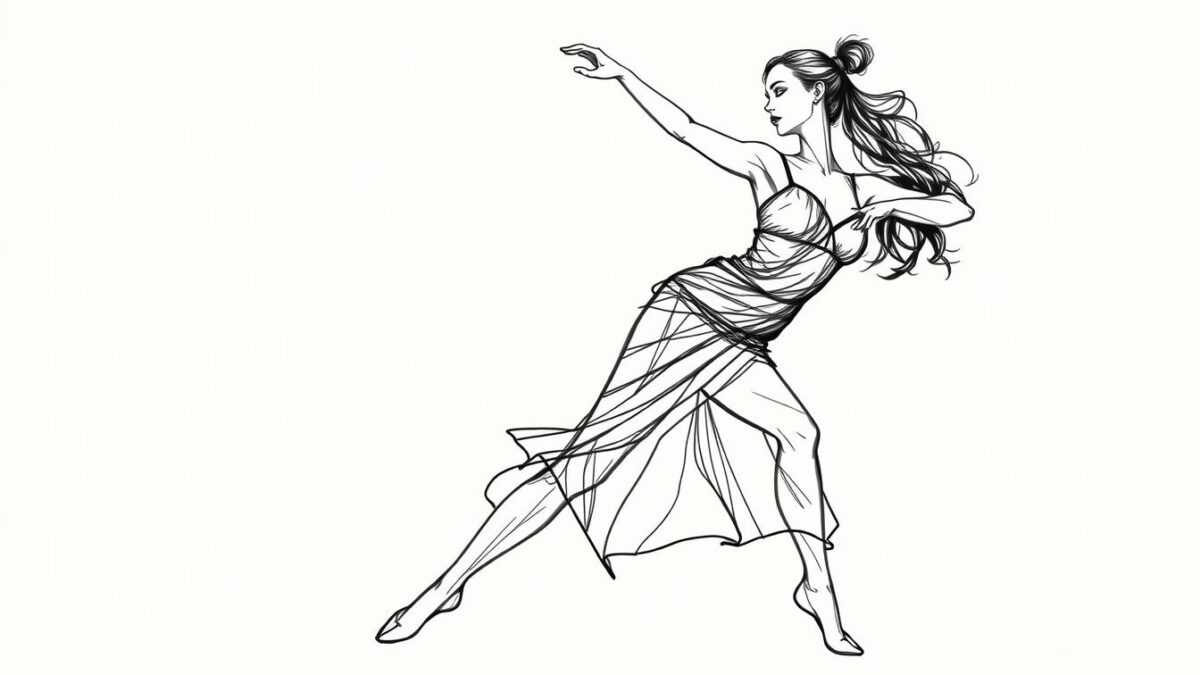
For five decades, Margie Gillis has commanded stages worldwide. Her cascading hair and naturalistic movement make her unmistakable among modern dance artists. She moves with raw physicality that feels both ancient and immediate.
Born July 9, 1953, in Montreal, this Canadian dancer built her career on emotional authenticity rather than traditional ballet technique. Her work carries strong Canadian cultural identity while reaching audiences across continents.
As a solo performer, she developed a cult following through deeply personal expression. Her style relies on spirit and feeling over codified dance vocabulary. The result is earthy, vibrant performances that connect directly with human experience.
The choreographer has created more than 150 original works spanning solos to group pieces. Her repertoire explores themes of humanity, nature, and feminine consciousness. She balances solo vision with collaborative generosity, establishing herself as both independent artist and cultural ambassador.
Early Life and Formative Years
From her earliest years, Gillis moved between the worlds of competitive athletics and artistic exploration. This dual foundation shaped her unique approach to movement.
Family Background and Early Inspirations
The dancer entered a household where Olympic skiing was the family business. Both parents competed at the highest level, embedding physical discipline into daily life.
Her brother Christopher became a celebrated performer with Paul Taylor Dance Company. This created a creative partnership that lasted throughout their careers.
The family atmosphere balanced rigorous training with creative freedom. Painting and piano lessons existed alongside athletic regimens, giving young Margie permission to explore movement as art.
Training, Ballet, and Gymnastics Foundations
At three years old, she began formal ballet and gymnastics training. Her true education came from solitary rehearsal and self-directed exploration.
This developed the instincts that would define her improvisational style. Her teachers offered technique without constraining her emerging voice.
| Teacher | Specialty | Influence on Development |
|---|---|---|
| May O’Donnell | Modern Technique | Structural foundation |
| Linda Rabin | Creative Movement | Artistic expression |
| Lynda Raino | Ballet Fundamentals | Technical precision |
| Allan Wayne | Composition | Choreographic thinking |
This foundation created the paradox at her core. She became technically grounded yet emotionally unbound throughout her artistic life.
Career Milestones and International Impact
A spontaneous performance in a Beijing park in 1979 launched her onto the international stage. Chinese officials spotted her dancing and invited a formal concert. This made her the first Western modern dance performer to reach Chinese audiences.
Prime Minister Pierre Trudeau recognized this cultural diplomacy. He named her an honorary cultural ambassador for Canada.
Establishment of the Margie Gillis Dance Foundation
By 1981, she founded the Margie Gillis Dance Foundation. This dance foundation provided infrastructure for her artistic vision. It allowed complete creative control while touring globally.
The organization supported over 150 original works. These pieces ranged from intimate solos to group collaborations.
Groundbreaking Performances and Global Tours
Her dance company toured six continents extensively. The foundation’s works reached Asia, Europe, and the Americas. She proved solo modern dance could sustain international careers.
Audiences worldwide connected with her emotional authenticity. Each piece carried her distinctive movement signature.
Award Recognitions and Achievements
Recognition accumulated throughout her career. Honors reflected both artistic excellence and social commitment.
| Year | Award | Significance |
|---|---|---|
| 1987 | Order of Canada | First modern dance artist honored |
| 2008 | Walter Carsen Prize | Excellence in performing arts |
| 2009 | Knight of National Order of Quebec | Cultural contribution recognition |
| 2011 | Governor General’s Award | Lifetime artistic achievement |
| 2020 | Dance Hall of Fame | Enduring influence induction |
These honors confirmed her impact extended beyond Canadian borders. They acknowledged innovation in modern dance vocabulary.
Margie Gillis: A Life of Dance and Advocacy
Her movement vocabulary carved a new path in modern dance, grounded in emotional truth rather than classical form. This artist’s work embraced weighted falls and spiraling gestures drawn from genuine feeling. Her iconic hair became part of the choreography itself.
This unique approach defined a repertoire exploring humanity and our intrinsic connection to nature. Each piece served as a profound expression of humanism.
Innovative Choreographic Style and Repertoire
Margie Gillis never confined her art to the solo stage. She collaborated extensively, bringing her distinctive movement to companies like the Paul Taylor Dance Company and Les Grands Ballets Canadiens.
Her range shone in projects like touring with opera legend Jessye Norman. Film also captured her power, earning a Gemini Award for her documentary work.
This choreographer extended her vision beyond performance. She served as a spokesperson for major humanitarian organizations, believing art must serve humanity.
Her teaching philosophy, “Dancing from the Inside Out,” encourages movement from authentic impulse. She also lectures on dance as a tool for conflict transformation.
Through her Legacy Project, Gillis ensures the continuity of her contribution. A new company now tours her repertoire, passing her vision to future artists.
Legacy and Enduring Influence on Modern Dance
The world of modern dance transformed significantly because one artist dared to prioritize emotional truth over technical perfection. Margie Gillis proved that solo performers could build sustainable international careers without institutional backing.
Her teaching philosophy, “Dancing from the Inside Out,” continues to influence dance education worldwide. Younger artists now interpret her repertoire while honoring its emotional core.
Even after five decades, she continues creating new works and teaching workshops. Her legacy demonstrates that artistic courage, not youth, defines lasting impact in the dance world.