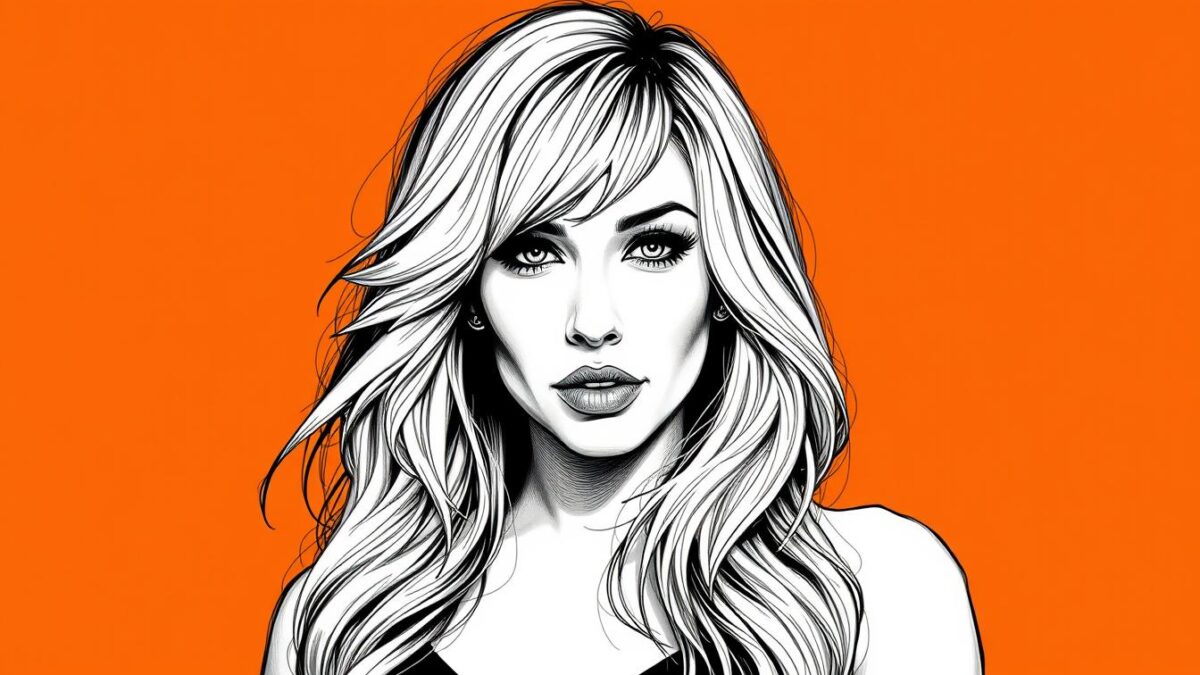
Los Angeles welcomed a future pop force on the first day of March in 1987. Kesha Rose Sebert entered a world steeped in music, learning early that songwriting could be both a craft and a form of rebellion. Her path was set from the start.
Her career ignited with a seismic shift in 2009. A featured vocal on a massive hit announced a bold new voice. Soon, her own single “Tik Tok” became a global anthem, defining a new era of pop music and breaking digital records.
This artist built a legacy of chart-topping albums and anthems before turning thirty. Her journey reflects a profound transformation. From a major-label star to an independent creator, she has consistently reclaimed her voice and power. This is the story of resilience, artistry, and undeniable impact.
Early Life and Musical Beginnings
Her mother’s stage became Kesha Rose’s first playground and classroom. Born in Los Angeles on March 1, 1987, music shaped her life from infancy. She watched her mother perform while cradled in her arms.
Family Influence and Pebe Sebert’s Legacy
Pebe Sebert was more than a mother. She was a working songwriter who understood the industry’s harsh realities. Her own composition became a hit for Dolly Parton, yet financial stability remained elusive.
She taught her daughter how to craft a song. They collaborated on writing sessions after school. Demos circulated through Nashville’s music network, carrying a young voice that sounded both raw and ready.
Growing Up in Los Angeles and Nashville
The family moved from Los Angeles to Nashville in 1991. This shift placed them at the heart of country music’s recording industry. Studio visits became routine education.
Kesha absorbed music theory during this time. She learned melody construction and the business side of art. This practical education, built on necessity rather than privilege, shaped her approach to songwriting forever.
Rise to Fame Through Breakthrough Collaborations
The breakthrough came unexpectedly, through a door left open in a recording studio. This singer found her first major success not through planned strategy but spontaneous opportunity.
Uncredited Moments on Flo Rida’s “Right Round”
In 2009, the rapper Flo Rida needed a female voice for his new song. Kesha happened to walk into the session. She delivered the hook for “Right Round” without a contract.
The track became a number-one hit. Yet her name appeared nowhere on the US release. She earned no money from the massive success.
Flo Rida recognized her talent immediately. The rapper recorded another song with her right after. But she refused to appear in the music video.
From Background Vocals to Spotlight
Before the Flo Rida collaboration, she worked behind the scenes. She sang backup for Paris Hilton and Britney Spears in 2008.
These uncredited sessions taught her industry politics. The world knew her voice before her face. This gave her time to prepare for the spotlight.
| Collaboration | Year | Role | Credit Status |
|---|---|---|---|
| Flo Rida – “Right Round” | 2009 | Featured Vocalist | Uncredited (US Release) |
| Paris Hilton – “Nothing in This World” | 2008 | Background Vocals | Uncredited |
| Britney Spears – “Lace and Leather” | 2008 | Background Vocals | Uncredited |
These early experiences shaped her approach to the music business. They revealed how easily artists could be erased from their own work.
The Tik Tok Phenomenon and Debut Album Animal
A party anthem about brushing teeth with a bottle of Jack became an unlikely global phenomenon. The singer’s debut album, Animal, arrived in January 2010 after six years of writing nearly 200 songs. It was a deliberate rejection of polished perfection.
This record was certified Platinum in the United States. It sold two million copies worldwide within nine months. Follow-up singles like “Blah Blah Blah” and “Your Love Is My Drug” also became international top-ten hits.
Record-Breaking Digital Sales
The lead single “Tik Tok” shattered digital records. It sold 610,000 downloads in its first week. This was the highest ever for a female artist.
The song held the number one spot for nine consecutive weeks. By 2019, “Tik Tok” had sold about 14 million copies globally. It stands as the best-selling digital single in history.
Impact on Pop Music and Culture
Animal created a polarizing divide. Critics often dismissed its messy, unpolished aesthetic. Audiences, however, embraced its rebellious energy.
This debut album was more than a collection of pop songs. It was a cultural reset. It redefined what a female artist could sound like and still achieve massive commercial success.
Transitioning from Ke$ha to Kesha
Dropping a single symbol from her name marked one of the most profound shifts in her career. The dollar sign represented more than a stage persona. It was armor against an industry that often consumed young artists.
Originally, the monetary symbol served as ironic commentary. She adopted it during lean times, walking away from hits with empty pockets. The character of Ke$ha became a necessary defense mechanism.
In 2014, a pivotal moment arrived. After entering rehab for bulimia nervosa, she reclaimed her birth name. This change signaled a refusal to hide behind performance any longer.
The timing coincided with intense personal and legal struggles. Her battle with producer Dr. Luke would redefine her path. She wanted the world to see the person behind the product.
| Aspect | Ke$ha Persona | Kesha Identity |
|---|---|---|
| Purpose | Defense mechanism | Authentic self |
| Timeline | 2009-2014 | 2014-present |
| Creative Approach | Ironic performance | Personal truth |
| Industry Relationship | Armored distance | Vulnerable engagement |
Fans recognized the gesture as both strength and vulnerability. The singer declared she was no longer playing a part. This artistic evolution demonstrated remarkable personal growth.
Her career trajectory transformed alongside this identity shift. The artist embraced a more authentic creative direction. This period marked a significant turning point in her music journey.
Kesha and Dr. Luke: A Partnership of Creativity and Controversy
What started as a productive musical alliance evolved into a landmark case that challenged power dynamics in the recording industry. The relationship between the artist and producer dr. luke would define her early career while testing legal boundaries.
Musical Production and Signature Sound
Producer dr. luke brought his hit-making formula to their collaboration. He had previously shaped successes for Katy Perry and Kelly Clarkson.
Together they crafted the electropop sound that powered her debut album. This partnership generated massive commercial revenue through their shared creative vision.
Historic Legal Battles and Industry Shifts
In 2014, the artist filed a lawsuit against producer dr. luke. She accused him of abuse spanning their decade-long working relationship.
Dr. luke countersued for breach of contract and defamation. The legal battle trapped her in a restrictive recording contract for years.
A New York judge denied her request to be released from the Kemosabe Records deal in 2016. The case was dismissed on statute of limitations grounds.
After nine years of litigation, the parties settled out of court in 2023. This high-profile case exposed power imbalances in recording contracts.
The dispute ignited broader conversations about artist rights in the music business. It became a flashpoint for industry reform discussions.
Chart-Topping Singles and Unforgettable Hits
From party anthems to soul-baring ballads, the singer’s hit catalog spans emotional extremes. Ten top-ten Billboard Hot 100 placements cement her status as a consistent hitmaker.
“Tik Tok,” “Die Young,” and “Praying”
The “Tik Tok” phenomenon broke digital records in 2009. This party anthem defined a generation’s approach to nightlife with its rebellious energy.
“Die Young” peaked at number two in 2012. The kinetic dance-pop record became one of her most enduring radio staples.
After years of silence, “Praying” arrived in July 2017. The raw, gospel-infused ballad showcased remarkable vocal range and emotional depth.
This powerful song earned Platinum certification and a Grammy nomination. Critics who once dismissed her as a party-pop novelty recognized new artistic dimensions.
| Song | Release Year | Peak Chart Position | Certification |
|---|---|---|---|
| Tik Tok | 2009 | #1 | 14 million copies sold |
| Die Young | 2012 | #2 | 3x Platinum (US) |
| Praying | 2017 | #22 | Platinum (US) |
Each hit represents a different facet of her artistry. Together they form a catalog that refuses easy categorization.
The evolution from “Tik Tok” to “Praying” demonstrates significant artistic growth. This journey spans electropop, dance, and soul with equal conviction.
The Warrior Era: Artistic Boldness and New Challenges
November 2012 brought Warrior, an album that fused Max Martin’s pop craftsmanship with Wayne Coyne’s psychedelic rock influences. This second studio release arrived as Kesha wrote much of the material while touring her debut album.
The creative process unfolded on the road during her first headlining tour in 2011. This traveling studio approach gave the music an urgent, lived-in quality.
Innovative Sound and Empowerment Themes
Warrior signaled artistic ambition through unexpected collaborations. Wayne Coyne of The Flaming Lips reached out after learning Kesha admired his band.
Their partnership brought a psychedelic edge to her signature sound. The album balanced Max Martin’s polished pop production with rock experimentation.
“Die Young” launched the album with massive commercial success. The single peaked at number two and dominated pop radio for months.
Follow-up single “C’Mon” stalled at number 27, breaking her top-ten streak. This revealed shifting commercial momentum despite the album’s creative strengths.
The Warrior Tour kicked off in July 2013, co-headlined with Pitbull across North America. This blend of theatrical pop and club-ready rap created dynamic live shows.
Empowerment and defiance resonated throughout the album’s themes. Warrior became her last release before legal battles froze her career for five years.
It remains a snapshot of an artist at her creative peak. The album captured a moment before industry challenges would reshape her path.
Exploring Rainbow: Reinvention and Resilience
August 2017 marked a powerful return, not just with a new album but with a reclaimed voice. Rainbow debuted at number one on the Billboard 200. This was the singer’s second chart-topping album and her first release in five years.
The record received universal acclaim from music critics. They praised its raw honesty and genre-blending ambition.
Feminist Undertones and Personal Growth
Rainbow arrived as the #MeToo movement gained momentum. Its themes of survival and empowerment felt urgently relevant. The album’s feminist angle was a defining feature.
Tracks like “Woman” served as defiant anthems of self-reliance. “Learn to Let Go” explored personal healing. This music reflected significant growth in the artist’s life.
Evolution in Style and Musical Expression
The album showcased a dramatic change in sonic direction. It wove together pop, rock, country, and gospel influences. This move beyond her earlier electropop sound demonstrated artistic courage.
The lead single “Praying” revealed a stunning vocal performance full of vulnerability. It earned a Grammy nomination for Best Pop Solo Performance. The entire album received a nomination for Best Pop Vocal Album.
| Song Title | Release Type | Key Theme |
|---|---|---|
| Praying | Lead Single | Forgiveness, Resilience |
| Woman | Second Single | Female Empowerment |
| Learn to Let Go | Promotional Single | Personal Healing |
| Hymn | Promotional Single | Inclusivity, Strength |
Rainbow stands as a testament to resilience. It proved the artist’s talent was far deeper than any initial persona suggested.
Collaborations and Genre-Crossing Partnerships
Her creative reach extends far beyond her own albums, with songwriting credits for major pop stars. This versatility defines an artist unafraid to cross genre lines.
Working with Pop, Rap, and Rock Icons
Kesha co-wrote “Till the World Ends” for Britney Spears in 2011. The song became one of the year’s biggest pop anthems. She also penned tracks for Ariana Grande and Miley Cyrus.
Rock legend Alice Cooper invited collaboration on his 2011 album. She wrote lyrics and performed as a devil character on “What Baby Wants.” This partnership bridged pop and theatrical rock worlds.
Her work with The Flaming Lips included multiple projects. They even planned a full-length collaboration called Lipsha.
- “Timber” with rapper Pitbull became her third number-one single
- The 2013 track achieved global crossover success
- She joined Zedd at Coachella in 2016 to perform “True Colors”
- The studio version showcased her adaptability to electronic production
These collaborations reveal an artist comfortable across musical landscapes. She works with pop stars, rappers, and rock legends with equal conviction. The music reflects this genre-spanning approach.
Facing Industry Challenges and Legal Hurdles
A legal battle of historic proportions defined a pivotal era in Kesha’s career. It tested the limits of artistic freedom within the confines of a binding recording contract.
This period of enforced silence reshaped her public identity and creative path.
The Lawsuit with Dr. Luke
In October 2014, the artist filed a lawsuit against her longtime producer, dr. luke. The allegations were severe, citing sexual assault and emotional abuse over a ten-year period.
Dr. luke denied all claims and countersued for defamation and breach of contract. The case became a protracted legal war.
A New York judge denied her request for an injunction in February 2016. The ruling kept her bound to her Kemosabe Records contract.
Just two months later, the court dismissed the case on statute of limitations grounds. The allegations were left legally unresolved for years.
Impact on Career Trajectory
The lawsuit effectively halted the release of new music for nearly five years. This lost time damaged her commercial momentum significantly.
She could not release music on her own terms during this difficult period.
The case finally settled out of court in June 2023. The artist fulfilled her five-album contract later that year with the record Gag Order.
This experience transformed her from a pop star into a symbol of resilience. It ignited crucial conversations about power and accountability in the music industry.
Social Advocacy and Fan Engagement
Beyond the stage and studio, the artist’s voice found purpose in championing those without one. Her career has always been intertwined with a deep sense of social responsibility. This commitment resonates powerfully with her audience.
Championing Animal Rights and Social Causes
The singer became the Humane Society of the United States’s first global ambassador for animal rights. She used this platform to spotlight hidden practices. These included cosmetics testing on animals and shark finning.
In 2013, she received the Wyler Award for increasing awareness of animal issues. She also joined forces with Iggy Pop for a PETA campaign against seal clubbing. Later, she wrote directly to McDonald’s demanding slaughterhouse reforms.
Her advocacy extended to her community. In 2010, she organized a benefit concert for victims of the Tennessee floods. The event raised nearly $70,000 for her hometown of Nashville.
This work revealed a commitment that goes far beyond music. Fans see this activism as an extension of the authenticity in her record. It positions the artist as a true voice for others.
The Cultural Impact of Kesha on Pop and Rock Music
The arrival of a deliberately messy, unpolished pop star challenged the industry’s standards of perfection. Her debut album, Animal, and its record-breaking lead song made her a deeply polarizing figure.
Some critics dismissed the music as unsophisticated. Others questioned its authenticity. Yet this raw, confrontational style normalized a new kind of femininity in mainstream pop.
Her influence is quantified by her position as the 26th top artist on Billboard’s 2010s decade-end chart. This reflects sustained commercial impact. Awards like the 2010 MTV Europe Music Award for Best New Act cemented her initial dominance.
The artist’s evolution proved her depth. The album Rainbow earned universal acclaim for its genre-blending ambition. It wove together pop, rock, country, and gospel with newfound confidence.
This willingness to interweave genres opened doors for other artists. It encouraged a rejection of rigid category boundaries. Her music provided powerful anthems for outcasts and misfits.
Kesha became a cultural symbol during the #MeToo movement. Her legal battle represented a broader fight for artist autonomy. Her catalog, from electropop to soulful ballads, proves a versatility critics once denied.
Her impact extends beyond sales. She shifted what pop music could sound like and who it could speak for.
Visual Identity: Fashion, Videos, and Stage Persona
Visual storytelling through fashion and music videos became central to the artist’s authentic connection with audiences. Her aesthetic choices reflected a philosophy of joyful rebellion against industry norms.
Signature Looks and Aesthetic Choices
The stage persona emerged as a deliberate rejection of perfection. Homemade purple velvet pants and glitter beards defined her early image. This DIY approach resonated with fans who valued authenticity.
Her fashion choices included thrifted couture and bold body paint. These signature looks became instantly recognizable. Fans worldwide emulated her unique style.
The 2013 MTV documentary offered behind-the-scenes access. It revealed the creative process behind her visual identity.
| Era | Key Visual Elements | Fashion Philosophy |
|---|---|---|
| Early Career (2009-2012) | Glitter, neon colors, DIY aesthetic | Rebellious anti-perfection |
| Rainbow Era (2017+) | Mature yet edgy, intentional styling | Authentic self-expression |
| Overall Evolution | From chaotic party style to refined edge | Consistent defiance of norms |
Influence on Music Video Trends
Early music videos embraced neon chaos and DIY aesthetics. “Tik Tok” and “We R Who We R” showcased this approach. They rejected glossy perfection for grime and humor.
The Rainbow era brought more intentional visual language. Videos for “Woman” and “Learn to Let Go” maintained edge while showing maturity. Each video told a story that complemented the song.
Her cameo in Katy Perry’s “I Kissed a Girl” video hinted at her future impact. The artist’s visual identity remains inseparable from her music.
The Future of Kesha: New Projects and Independent Ventures
Period, released in 2025, stands as the first fully independent statement from an artist reclaiming her voice. This album arrived after fulfilling her five-album contract with Gag Order in 2023.
Anticipated Releases and Emerging Sounds
Early reports suggest the new record explores sounds ranging from rock to electronic. This continues her genre-fluid approach to music creation.
Owning Kesha Records allows complete control over release schedules and creative direction. Fans anticipate this independence will unlock music held back during legal silence.
The shift aligns with industry trends of established artists reclaiming ownership. Future projects are expected to push boundaries without commercial compromise.
This trajectory mirrors her personal evolution from persona to person. The next chapter will be defined by what she chooses to create.
Navigating Changes in Record Labels and Creative Freedom
An artist’s path is often shaped by the deals they sign early on. At eighteen, a publishing deal with Prescription Songs set the stage. This connected the young singer to a powerful producer’s label, Kemosabe Records.
Kemosabe operated under the major label RCA Records. This partnership offered resources but came with creative limits. Negotiations with Lava and Atlantic Records fell through in 2009.
This left the RCA and Kemosabe deal as the primary option. The resulting multi-album contract would later become a cage. During a lengthy legal battle, the artist sought to escape this binding agreement.
The 2023 album Gag Order fulfilled the five-album obligation. It represented a final step toward liberation. This release closed a difficult chapter in her music career.
In 2025, the pop star launched her own label, Kesha Records. Her first independent album, Period, followed soon after. This move granted full creative control over her song catalog.
The shift from a major label to independence reflects hard-won lessons. It’s a case study in reclaiming artistic autonomy. This journey underscores the true cost of creative freedom.
Reflections on a Transformative Music Journey
A career born in Los Angeles on March 1, 1987, has become a testament to resilience. This singer’s journey began with an uncredited vocal on rapper Flo Rida’s “Right Round.” That single hit number one, introducing her voice to the world.
She transformed that early anonymity into a powerful legacy. Her debut album, Animal, and the later Rainbow, both topped the charts. Billboard named her the 26th top artist of the 2010s.
A nine-year legal battle interrupted her recording career. It became a symbol of industry struggle. The case settled in 2023, allowing her to reclaim her story.
Today, she releases music on her own terms. Her evolution from pop star to independent artist proves a powerful truth. True artistry is about owning your voice and your path.