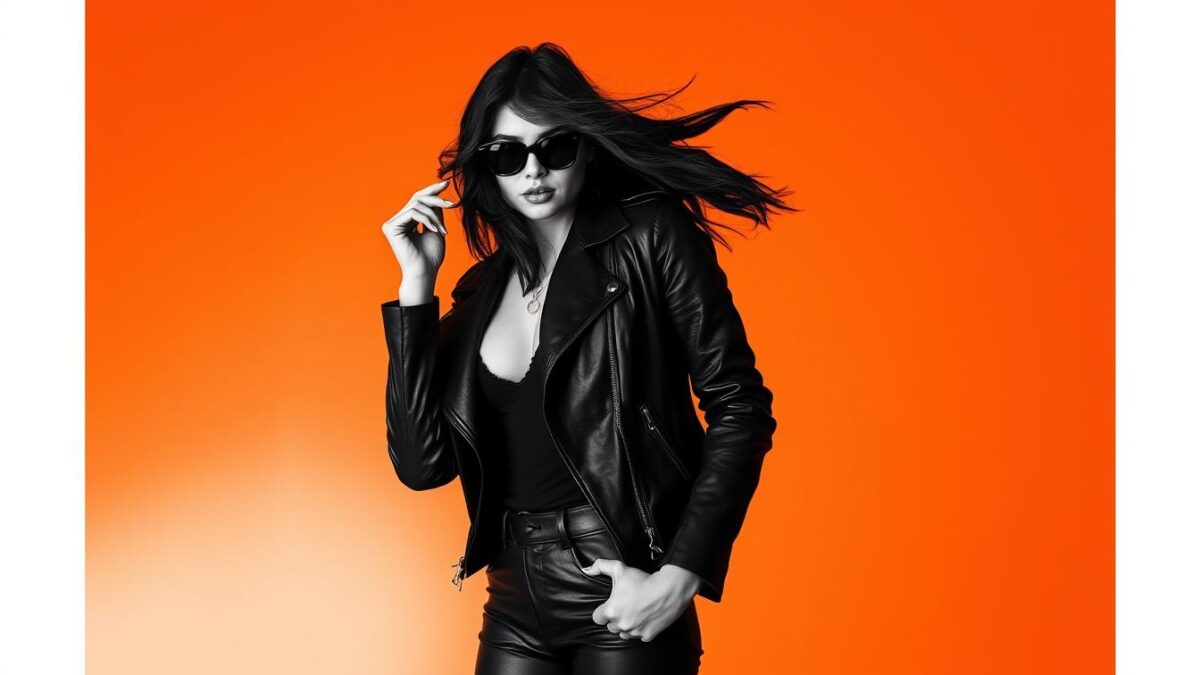
A new voice rises from Canada, capturing the spirit of a generation. JEN Z makes music that speaks directly to those born between 1997 and 2012. Her sound is built for an era of smartphones and streaming.
This artist represents more than a stage name. She embodies the experience of young people navigating a connected world. Her work reflects the contradictions of this age: anxiety mixed with ambition.
Her music prioritizes raw authenticity over polished perfection. It values genuine connection more than celebrity status. For a generation often studied and labeled, her songs offer a real mirror.
Understanding her art means understanding a cultural shift. This generation defines success on its own terms. They can spot manufactured hype from a distance.
JEN Z is not chasing trends. She is creating them, one honest track at a time. This is where the story of a defining artistic voice begins.
Introducing the Canadian Singer Sensation
The path to musical recognition has been rewritten. This artist is a testament to the new blueprint.
She emerged from Canada’s thriving scene with a sound that defies simple labels. Her music blends electronic textures with raw, vocal honesty. It creates an intimate yet expansive feeling.
JEN Z built her following organically, the way her generation operates. Social media platforms became her stage. Here, authenticity matters more than a large marketing budget.
People discovered her through algorithm suggestions and friend shares. Radio play and industry gatekeepers were not part of her origin story. She understands how technology shapes music’s journey in our world.
Traditional media initially struggled to categorize her sound. But her generation did not need a label to claim her as their own. Her rise shows how modern artists build careers outside old structures.
She speaks directly to people who value substance. What makes her a sensation is not mystery. It is the genuine connection she builds with every post and song.
The Rise of JEN Z in the Music World
The traditional music industry timeline collapsed as artists built followings online first. Her rise happened gradually through consistent content creation. Then viral moments transformed bedroom recordings into streaming successes.
Platforms like TikTok and Instagram became her primary stage. This generation discovered her music through algorithm suggestions and peer shares. Gen zers added her tracks to millions of personal playlists.
This created organic momentum that no PR campaign could manufacture. Over several years, she moved from independent releases to professional collaborations. Producers who respected her artistic vision sought her out.
Traditional media outlets eventually noticed her impact. But by that time, her generation had already crowned her relevant. She never waited for industry permission or validation.
| Time Period | Platform Focus | Key Achievement |
|---|---|---|
| Early Years | Social Media Platforms | Organic Following Growth |
| Viral Breakthrough | TikTok & Instagram | Streaming Chart Entry |
| Industry Recognition | Multiple Media Outlets | Major Collaborations |
Her trajectory reflects a broader shift in artist career building. Distribution barriers have crumbled in the digital age. Talent now connects directly with audiences when old gatekeepers step aside.
The rise of this artist isn’t just a personal success story. It serves as a blueprint for how modern musicians can build sustainable careers. The power has shifted from industry executives to engaged communities.
Early Life and Musical Beginnings
Her musical roots trace back to a childhood shaped by digital access. Her earliest memories blend traditional piano lessons with endless YouTube tutorials. This unique mix defined her early life.
Her parents recognized her interest at a young age. They bought her first keyboard during elementary school. This encouragement was crucial for her development.
By the time she reached high school, her bedroom was a creative studio. She wrote songs and recorded demos on accessible equipment. Previous generations of kids lacked such tools.
Formal school felt secondary to the education happening online. She learned production techniques from global creators. Those formative years built a DIY and collaborative spirit.
At an age of self-discovery, she was already building a public identity. Her parents saw her dedication and supported the unconventional path. This foundation combined raw talent with digital innovation.
Her work reflects something unique to her generation. It is authentic and built from the ground up.
Impact of Social Media on Jen Z’s Career
For the modern artist, a smartphone is more vital than a recording contract. This shift defines her journey. Social media did not just help her career. It built it from the ground up.
This path was unavailable to previous generations. It relies on direct access and authentic conversation. Technology turned every follower into a potential collaborator.
Harnessing Digital Platforms
She uses platforms as creative studios, not just billboards. Each space has a unique purpose. TikTok is for raw, immediate ideas. Instagram fosters deeper visual stories.
Digital natives like her understand this instinctively. They tailor content for each platform without losing their core voice. Her mobile device holds her entire toolkit.
This understanding is measurable. Between 2020 and 2024, Gen Z’s use of TikTok for messaging friends jumped 82%. Instagram saw a 28% rise in users logging in to chat.
She engages in these spaces. This turns algorithmic discovery into lasting fandom.
Connecting with Fans Online
The distance between artist and audience has collapsed. She tests new music directly with people. She gathers feedback in real time.
There are no intermediaries filtering the conversation. This builds a community that feels invested in her success. Gen Zers respond to artists who show up consistently and genuinely.
About one in three prefer podcasts hosted by celebrities they follow. This desire for intimate access guides her online presence. She treats social media as a dialogue.
The impact is clear. Streams, shares, and sold-out shows prove that sustainable momentum comes from genuine connection.
Navigating the Digital Age as a Modern Artist
For today’s musicians, the digital realm is not an addition to their craft but its foundation. This generation of artists operates as true digital natives. They never experienced a world without instant access to streaming platforms and mobile connectivity.
Technology functions as infrastructure rather than innovation for these creators. They approach creative work with built-in understanding of digital distribution. The tools feel like natural extensions of their artistic vision.
Multiple devices become seamless parts of the workflow. Recording happens on one screen while editing occurs on another. Content creation flows across different platforms without losing coherence.
This age demands constant content output. Yet successful artists balance quantity with authentic quality. They refuse to sacrifice artistic integrity for algorithmic approval.
Traditional media outlets still exist but serve as optional channels. The real artistic conversation happens on personal screens. Smartphones carry the entire creative ecosystem everywhere.
Geographic barriers collapse through digital collaboration tools. Artists work with global producers from home studios. Creative partnerships form across continents in real time.
Understanding how devices shape listening habits informs production choices. Music must sound compelling through phone speakers and headphones alike. This technical awareness enhances artistic impact.
Generational Influence: From Gen Z to Generation Alpha
Generational shifts in music consumption are not just about age. They are about the technological landscape that defines a group’s formative years.
Each cohort develops unique habits based on the media available to them. This shapes how they discover art and build community.
Understanding Generational Shifts
Generation Z includes people born between 1997 and 2012. They came of age alongside social media’s explosive growth.
This group is fluent in digital storytelling and online networking. Their worldview was shaped by platforms like YouTube and gaming communities.
Generation Alpha starts with children born from 2012 onward. They are the first generation born entirely in the 21st century.
Currently zero to thirteen years old, their leisure is deeply digital. They inherit the tools Gen Zers pioneered but with even deeper integration.
The shift between these generations is profound. It is defined by the tools available and the cultural moments they experience.
Social Media’s Role in Shaping Youth Culture
Social media is the primary arena for youth culture. Trends emerge, spread, and fade with incredible speed on these platforms.
For Gen Zers, these spaces are where identity is curated. Playlists and posts are as important as radio was for previous generations.
Artists like JEN Z understand this digital ecosystem intuitively. Their work resonates because it acknowledges these shifts without pandering.
It creates music that feels current to multiple age groups simultaneously. As Generation Alpha matures, this understanding provides a built-in audience.
The Role of Technology in Shaping Musical Careers
Powerful creative tools now fit in the palm of your hand, fundamentally altering the artist’s journey. This shift democratized music creation. Professional-grade software is available on devices many already own.
This artist’s career exemplifies this change. Her work begins in a bedroom studio that rivals facilities from past decades. The focus shifted from expensive studio time to mastering digital tools.
Data analytics now guide crucial decisions. They show which songs resonate and where listeners are concentrated. This information shapes touring plans and release strategies.
Traditional media gatekeepers lost their monopoly. Technology gave artists a direct line to a global audience. Streaming platforms became the new stage.
This generation entered the workforce with tech-shaped expectations. They value flexibility and direct communication. These principles translate into their creative work.
Multiple devices serve distinct roles in the process. One for composition, another for mixing. The entire workflow is mobile and integrated.
Technology’s role is both practical and philosophical. It redefines what it means to be a professional musician today. Understanding these tools is now essential for a sustainable career.
Balancing Authenticity and Innovation in Music
The most compelling artists master the delicate dance between staying true to their roots and embracing new possibilities. This balance defines JEN Z’s creative work.
Her approach honors musical traditions while exploring fresh sonic territory. She blends classic songwriting craft with modern production techniques.
Blending Traditional and Modern Techniques
Time spent in music school provided essential theory and structure. This foundation gives her work depth and discipline.
Yet her real education came through experimentation. She values creative freedom as much as technical skill.
Life experiences shape lyrics that resonate with her generation. People connect with songs that reflect their own realities.
Her parents’ generation approached music differently. She learned from their experiences while forging her own path.
Innovation means finding new ways to deliver emotional truth. The artist follows genuine instincts rather than commercial calculations.
This balance makes her music feel both timeless and current. It bridges generation gaps through authentic expression.
Financial Savvy in the Music Industry
Financial literacy is the new creative currency for a generation that witnessed economic instability. They saw older siblings grapple with student debt after college. They watched their parents navigate the Great Recession and the pandemic.
This experience shaped a pragmatic approach to money. Data reveals this shift clearly. Fifty-nine percent of this generation making New Year’s resolutions plan to save more money.
Young adults are investing earlier than previous groups. There has been a 46% increase in 18-27-year-olds holding investments since 2017. Financial security is a primary goal.
JEN Z embodies this mindset. Her work ethic blends artistic passion with business acumen. She understands streaming royalties and direct-to-fan sales.
This generation researches contracts and builds diverse income streams. They reject the myth of the struggling artist. Smart money management enables artistic freedom.
At a young age, they are building sustainable careers. Their financial savvy ensures their art can thrive for years. It is a fundamental part of their creative work.
Embracing Cultural Diversity and Global Trends
Today’s artists operate in a truly global creative ecosystem. This environment naturally incorporates diverse influences without forced effort.
Multicultural Influences in Music
For this generation, diversity represents daily reality rather than abstract concept. Their world includes constant exposure to different cultures through digital platforms.
Streaming services provide instant access to sounds from every continent. Young people discover music without traditional geographic limitations.
This artist’s work reflects this organic multiculturalism. Her music blends influences that feel authentic to her experiences. She treats diversity as artistic texture rather than marketing strategy.
Research shows 30% of Gen Z Americans consider DEI important. This exceeds the average by 7%. Their definition includes mental health representation and language variety.
Parents raised in more isolated environments sometimes struggle to understand this natural integration. Their kids navigate multicultural spaces with inherent comfort.
The people connecting with this music span continents and cultures. They share values beyond geographic boundaries. This creates a truly global community around authentic artistic expression.
Signature Style and Fashion in the Spotlight
Fashion is no longer just clothing. It is a visual language spoken fluently by a generation that lives online.
For this artist, style blends vintage finds with contemporary streetwear. This reflects a love for thrift stores and sustainable choices. Her look feels personal, not created by a committee.
Social media turned fashion into performance art. Every outfit gets documented and discussed. Friends and strangers alike become part of the conversation.
People in this age group often reject fast fashion. They gravitate toward pieces with history. This way of thinking differs from their parents’ generation.
Trends like E-girl aesthetics and Barbiecore evolve at lightning speed. Visual presentation becomes part of the musical story. Members of this generation treat clothing as a creative medium.
| Generational Approach | Primary Influence | Core Value |
|---|---|---|
| Previous Generations | Brand Loyalty, Magazines | Polished Perfection |
| Gen Z & Millennials | Peer Networks, Thrifting | Authentic Individuality |
At a time when life happens on camera, style is intentional. But authenticity matters more than perfection. Friends influence decisions as much as celebrities do.
This generation’s fashion sense signals a broader cultural shift. It champions individuality and a rejection of old norms. For artists like JEN Z, style is another way to connect genuinely.
Audience Engagement: Concerts, Streaming, and Beyond
The connection between artist and audience now lives in real-time, a constant dialogue across screens and stages. Engagement happens everywhere at once.
People expect more than just music. They want access to the creative process. This means behind-the-scenes content and personal thoughts shared directly.
Concert experiences remain vital. But they are instantly documented and shared. This extends the moment’s life far beyond the physical venue.
Streaming numbers tell only part of the story. Gen Zers measure true connection through comments, shares, and playlist additions. These actions signal genuine engagement.
Nearly half of this generation check their social media accounts multiple times daily. This creates constant touchpoints. The artist must be present and authentic in these spaces.
Members want to feel like participants, not just consumers. They value quality interaction over sheer quantity of content. Authenticity always wins.
| Engagement Metric | Traditional Focus | Modern Focus |
|---|---|---|
| Primary Measure | Album Sales, Ticket Sales | Shares, Comments, Playlist Adds |
| Artist Access | Controlled Media, Rare | Direct, Constant, Expected |
| Event Lifespan | Single Night Experience | Shared Online, Lives for Weeks |
Different platforms serve different purposes. Instagram builds visual stories. TikTok fuels trends. Streaming services are for deep listening.
This generation’s engagement patterns shift quickly. But the core desire is constant. They seek meaningful connection with artists who resonate emotionally.
Trends in Digital Media and Their Impact on Artists
Digital media trends are reshaping the creative landscape for a new generation of artists. These shifts affect how music reaches listeners and how performers build careers.
The constant evolution forces musicians to adapt while keeping their authentic voice. They must navigate changing platforms without losing creative vision.
Streaming Platforms and Live Performances
Streaming services changed music discovery for Gen Zers. They replaced radio with algorithm-driven personalization. Songs now find audiences through user-generated content.
Technology enables live performances to reach global audiences. Streaming concerts break down geographic barriers that limited previous generations. Artists can connect with fans worldwide simultaneously.
Data from these platforms shows interesting patterns. Gen Zers listen across genres without rigid categorization. They might enjoy classic comfort shows like Friends alongside Japanese anime.
Digital natives expect seamless experiences across devices. They switch from phones to laptops without interrupting their listening. This multi-device behavior shapes how artists produce and release music.
Platform members consume media differently than older groups. They often multitask or use music as background for other activities. This requires artists to create content that works in various contexts.
The impact on artists is profound. They gain more control over distribution but shoulder more marketing responsibility. Smart musicians maintain presence across services without spreading too thin.
Future Prospects: What Lies Ahead for Emerging Artists
The economic landscape for artists is shifting beneath our feet as generational wealth transfers accelerate. Generation Z’s projected $36 trillion income by 2030 creates unprecedented purchasing power. This financial growth will fundamentally reshape artist sustainability in coming years.
Research indicates this generation values experiences over possessions. Live performances and festivals will remain crucial revenue streams. Artists who build genuine connections now will benefit as these young adults enter peak earning years.
The next few years will separate lasting careers from viral flashes. Sustainable growth requires balancing artistic integrity with business savvy. This generation’s work patterns mirror modern music careers—flexible, diversified, and digitally native.
Generation Alpha represents the next wave, with 2 billion global members by 2025. Artists building today will grow alongside these future consumers. The world they’re creating values authenticity as both artistic and economic strategy.
At a young age, today’s musicians already operate with global reach and data-driven insights. Their future work will thrive in a more independent, direct ecosystem than previous generations knew.
Overcoming Industry Challenges and Seizing Opportunities
Today’s artists face workplace dynamics shaped by generational values and economic realities. They must treat music as both art and business. This requires navigating contracts and royalties with clear-eyed pragmatism.
The music workplace has changed dramatically. Research shows 39% of Gen Z professionals might switch jobs within six months. They seek opportunities that align with personal values.
Work-life balance matters deeply to this generation. Artists must build sustainable practices to prevent burnout. Data reveals the pandemic increased mental health challenges by 25% among young adults.
Generation Z entered the workforce during unprecedented disruption. Many face college debt while building careers. They need smart monetization strategies and multiple revenue streams.
Growth opportunities exist for artists who embrace change. The fact remains that talent alone isn’t enough. Success requires understanding industry mechanics while maintaining creative integrity.
Research into workplace preferences shows young adults want transparency and flexibility. They seek alignment between personal values and professional pursuits. This generation’s approach reshapes the entire music industry.
Final Reflections on a Trailblazing Musical Journey
This artist’s life embodies a generation’s shift. Born between 1997 and 2012, they navigate a world their parents never knew. Smartphones and streaming shaped their entire creative journey.
High school years now include global audiences. Kids today create from bedrooms, not studios. This fact changes everything about artistic growth.
Previous generations built careers differently. But this new path offers unique freedom. It blends artistic passion with financial savvy.
The future looks bright for those who adapt. JEN Z’s story shows what’s possible. Her work connects people across ages and cultures.
Friends and community provide crucial support. Diversity of influence enriches the sound. This generation’s legacy is just beginning.