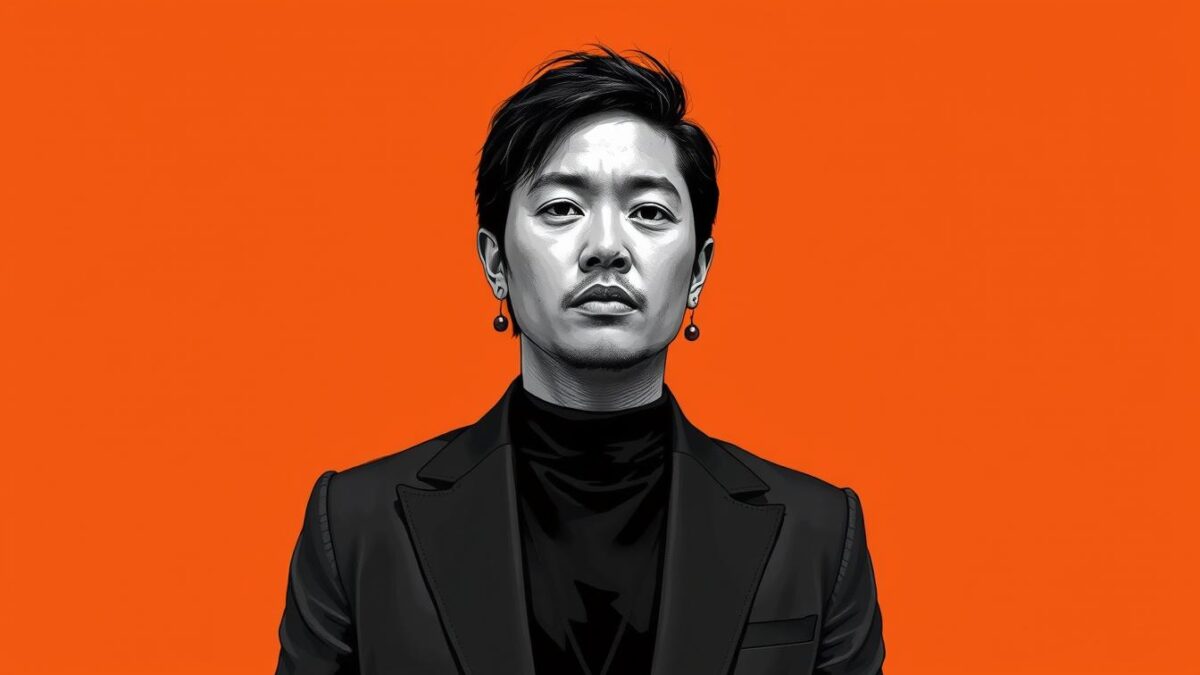
Her voice cuts through the noise. It is a sound that defies simple labels. This artist, known as Iskwé, creates music that is both beautiful and challenging.
Born in Winnipeg, her Cree Métis and Irish heritage fuels a unique creative vision. Her name means “blue sky woman.” It signals a deep connection to tradition and a clear vision for the future.
Her sound is a powerful blend. Electropop shimmer meets the deep, moody beats of trip hop. The result is a compelling landscape for her politically charged lyrics.
She addresses Indigenous rights and gender inequality without apology. Her work is more than just music. It is a form of activism, a protest set to a downtempo rhythm.
Iskwé commands attention. She transforms personal and cultural stories into an unforgettable auditory experience. Her art is a testament to resilience and voice.
Iskwé: Biography and Cultural Roots
Her identity is rooted in a formal recognition. As a citizen of the Manitoba Métis Federation, her personal story connects to collective Indigenous sovereignty.
Early Life and Background
Born Meghan Lynne Meisters in Winnipeg, she navigated Indigenous tradition and Western modernity. Her early years were defined by this duality.
She lived in Los Angeles, New York City, and Toronto. These moves exposed her to diverse artistic scenes. She eventually settled in Hamilton, Ontario.
Her upbringing encouraged loud beliefs and open dialogue. She learned to speak about culture and gender without timidity. This shaped the artist’s fearless voice.
Cultural Heritage and Identity
Her Cree Métis heritage grounded her worldview. It comes from a community known for resilience against marginalization.
Reclaiming her identity meant confronting internalized colonialism. She challenged Western archetypes that limit Indigenous people.
Choosing the name Iskwé, meaning woman, was a powerful act. It centered her gender and culture as a form of declaration.
Visual art also played a key role. She incorporated facial designs into performances. These honor Dené and Inuit tattooing traditions.
| Category | Detail | Significance |
|---|---|---|
| Birth Name | Meghan Lynne Meisters | Personal identity before artistic persona |
| Place of Origin | Winnipeg, Manitoba | Cultural and geographical starting point |
| Cultural Affiliation | Citizen, Manitoba Métis Federation | Federally recognized political and cultural identity |
| Artistic Integration | Facial designs in performance | Merging visual art with music to honor tradition |
This woman found her way by weaving heritage into every creative decision. Her biography is a story of refusing assimilation.
The Musical Journey and Discography of Iskwé
Her musical journey began not with a whisper, but with a statement. The artist’s debut album arrived in 2013, introducing a sound that defied easy categorization.
It blended electronic textures with deep, purposeful lyricism from the start.
Debut Album, Breakthrough Single “Nobody Knows” and the Fight Within
The debut single “Nobody Knows” became a pivotal moment. Produced by The Darcys, its haunting sound amplified lyrics addressing the Missing and Murdered Indigenous Women crisis.
Its feature in the Netflix series “Between” brought this urgent message to a wider audience. This track set the tone for a career built on sonic protest.
Her second album, “The Fight Within,” arrived in 2017. It served as a powerful declaration, merging trip-hop and R&B influences.
The record earned a Western Canadian Music Award and a Juno nomination. Its title perfectly captured the ethos of internal struggle and external resistance.
Albums, Award-Winning Tracks and Collaborations
Subsequent releases continued this trajectory. The 2019 album “acākosīk” explored darker, atmospheric territory.
Its song “Little Star” won a Juno Award for Music Video of the Year. Tracks like “Healers” and “Breaking Down” also received major award nominations.
Collaborations have been a key part of her work. She has created powerful songs with artists like Tanya Tagaq and Tom Wilson.
These partnerships blend distinct voices to explore themes of resilience and healing.
| Album Title | Release Year | Notable Recognition |
|---|---|---|
| Iskwé | 2013 | Debut Album |
| The Fight Within | 2017 | Western Canadian Music Award, Juno Nomination |
| acākosīk | 2019 | Juno Award for Music Video of the Year |
| The Stars | 2021 | Orchestral Reimagining |
Her evolving discography stands as a testament to artistic growth and unwavering commitment.
Impact on the Music Industry and Social Activism
The stage becomes a platform for protest. Sound and symbol merge into a powerful act of defiance. This artist’s work challenges the music industry itself.
Her live shows transform into ceremonies. Elaborate face paint honors Dené and Inuit traditions. It is a visual rebellion against cultural erasure.
This act prompts people to ask questions. It keeps vital conversations about Indigenous visibility alive.
Influence of Indigenous Roots on Sound and Style
Her sound is a deliberate choice. It gravitates toward dark, bottom-heavy atmospherics. Deep bass and trip-hop breakbeats create a weighty landscape.
This sonic texture mirrors the gravity of her themes. It refuses to sugarcoat trauma with radio-friendly production. The music demands active, uncomfortable listening.
Her cross-cultural aesthetic bridges Irish and Cree/Dené roots. The resulting sound belongs to neither tradition alone. It carves out a unique space for mixed-heritage complexity.
Political Lyrics and Advocacy Through Music
Every song carries a political charge. Lyrics address the crisis of Missing and Murdered Indigenous Women. They champion land defenders and water protectors.
Tracks like “Soldier” serve as anthems for these brave people. The song is dedicated to those safeguarding the land for future generations.
Women in music often face fallout for speaking out. Iskwé embraces this risk. Her advocacy is a refusal to be silenced.
| Element | Method | Purpose |
|---|---|---|
| Live Shows | Ceremonial face painting | Reclaim tradition and provoke dialogue |
| Song Lyrics | Direct address of systemic issues | Amplify marginalized voices and struggles |
| Sonic Landscape | Dark, heavy electronic production | Reflect the weight of political subject matter |
| Industry Presence | Defying narrow expectations | Create space for authentic Indigenous expression |
Wrapping Up: Celebrating the Legacy and Future of Iskwé
Over a decade and six albums, Iskwé has forged a legacy where art and activism are inseparable. The power of her music lies not in chart positions but in its lasting cultural impact.
Songs like “Nobody Knows” and “Soldier” are anthems for this era’s struggles. They preserve stories that mainstream media often ignores.
Her music proves an artist can honor heritage and demand change. She pushes genre boundaries without compromise.
This artist has created openings for others to claim space. Her work offers a template for balancing tradition and modernity.
Looking forward, her trajectory suggests deeper sonic explorations. Her commitment to the people and causes she champions remains unwavering. As long as injustice persists, her songs will retain their urgent relevance.