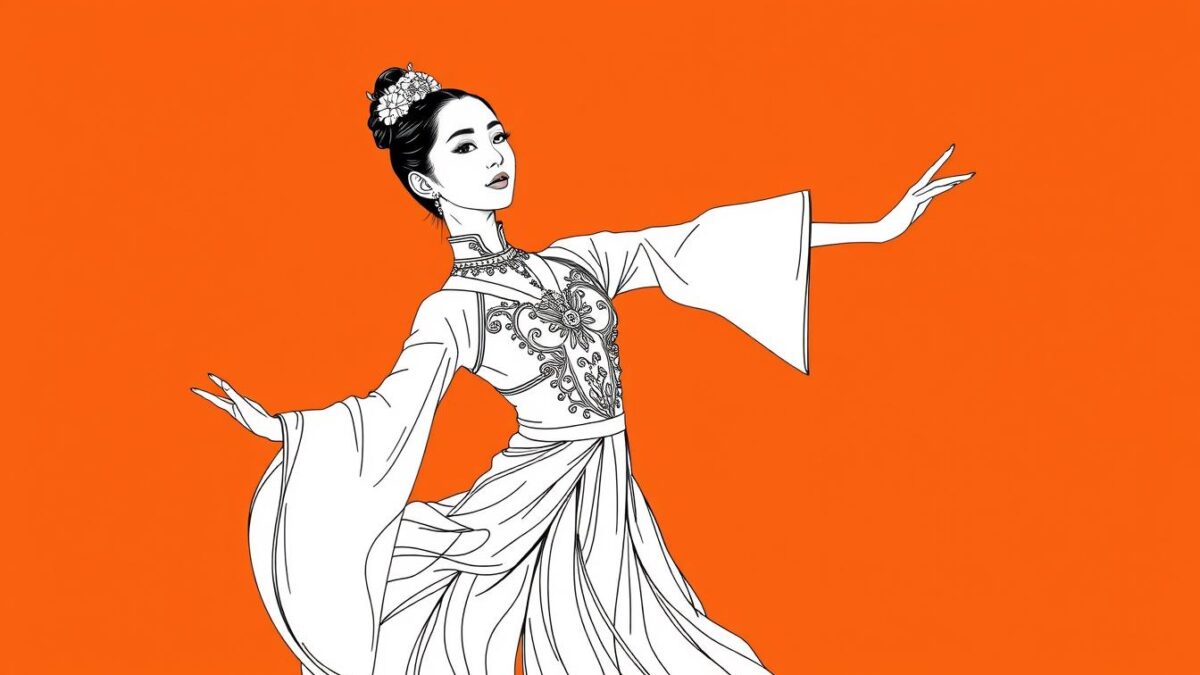
A young dancer from Japan’s Ray Ballet School captured attention at the Youth America Grand Prix’s 25th anniversary season. The ten-year-old performer took the stage during the 2024 Japan Semi-Finals with a demanding classical variation.
She executed Paquita’s Variation 9 with sharp footwork and controlled turns. This piece tests both stamina and musical interpretation. Her performance formed a tight technical band that showcased rigorous training.
The event placed her among hundreds competing for recognition and scholarships. As a representative of Japan’s ballet culture, her work reflects the discipline cultivated in Japanese dance academies. She emerges as a new leader among young Asian dancers gaining visibility in a historically European-dominated field.
Himari Umehara: A Dynamic Artist
Behind the sharp footwork and controlled turns lies a foundation built within the walls of Japan’s disciplined ballet institutions. This environment shapes not just technique, but a dancer’s entire approach to the art form.
Early Life and Influences
Young dancers in Japan often start their training early. They balance long studio hours with schoolwork, building physical and mental strength.
This dedication is a core part of the culture. The Ray Ballet School provides a structured path for this development.
Its pedagogy emphasizes key principles:
- Repetition and precise correction to master complex choreography.
- A gradual build-up of skill, ensuring a solid technical base.
- Respect for the tradition of classical ballet while adapting it with a Japanese lens.
Artistic Inspirations from Japan
The training mood shifts between intense focus and supportive camaraderie. Dancers push each other while sharing a common goal.
These shared struggles often create strong friendships. The bonds formed in the studio are built on mutual understanding and encouragement.
Japan’s dance community looks to both international stars and local talent for inspiration. This exchange gives young performers a rich, global perspective on their craft.
Performance and Memorable Moments on Stage
Competition floors serve as classrooms where technique meets temperament under pressure. The YAGP Japan Semi-Final tested a young dancer’s ability to translate studio practice into stage presence.
Ballet Achievements and Notable Performances
Paquita’s Variation 9 demands allegro moderato pacing—moderate yet lively. The choreography requires clean pirouettes, elevated jumps, and precise footwork.
Her execution formed a tight technical band that showcased rigorous training. Each movement demonstrated the vocabulary of classical ballet with upper body grace framing the choreography.
Stage presence at this age involves more than technical skill. It requires confidence to inhabit the character and project energy throughout the venue.
Cultural Highlights at YGP Events
The 25th Anniversary Season carried special significance for the competition community. Young dancers witnessed peer performances that set artistic benchmarks.
YAGP events function as both competition and gathering space. They build leadership qualities through self-direction and accountability under pressure.
Performance documentation creates an afterglow of visibility beyond the competition hall. Video recordings extend artistic reach and preserve memorable moments.
These experiences serve dancers whether they pursue professional careers or apply these skills elsewhere. The event marked a quarter-century of supporting young talent.
Media Portrayals and the Band Story of Himari
Online searches for the dancer sometimes yield unexpected results, pointing to a namesake from the world of anime and music. This character, Uehara Himari, shares a similar name but exists in a completely different creative universe. Understanding this distinction is crucial for clarity.
Afterglow Band Leadership and Musical Style
Uehara Himari is the fictional leader and bassist of the band Afterglow. This five-member group performs energetic rock music. Her role as the band’s leader involves anchoring their sound with her bass lines.
Themes of friendship and perseverance drive their music. This contrasts sharply with the disciplined, solo nature of classical ballet. The character’s story is about collective creation.
Anime, Manga, and Other Media Representations
This character is a student at Haneoka Girls’ High School. She appears across the BanG Dream! franchise, including games, anime, and manga. Her personality is cheerful and relatable.
She enjoys comparing sweets from different convenience stores. This hobby adds a layer of everyday realism to her animated life. Her fondness for convenience store snacks is a well-known trait.
These media representations create a robust presence for the fictional Himari. They exist entirely separate from the real dancer’s achievements. Recognizing this separation ensures accurate information.
Final Reflections on Himari Umehara’s Cultural Impact
This dancer’s journey reflects a larger shift occurring within the traditionally European-dominated world of classical dance. Her performance contributes to growing Asian representation in ballet.
The support system matters deeply. Friends, family, and teachers create the foundation that allows young artists to thrive. They maintain emotional balance amid intense training schedules.
Video documentation offers remarkable convenience. Performances now reach global audiences long after the competition ends. This accessibility changes how dance culture spreads.
The mood around youth competitions balances celebration with awareness of pressure. While the cultural impact of Himari Umehara remains emerging, her story represents ballet’s evolving future.