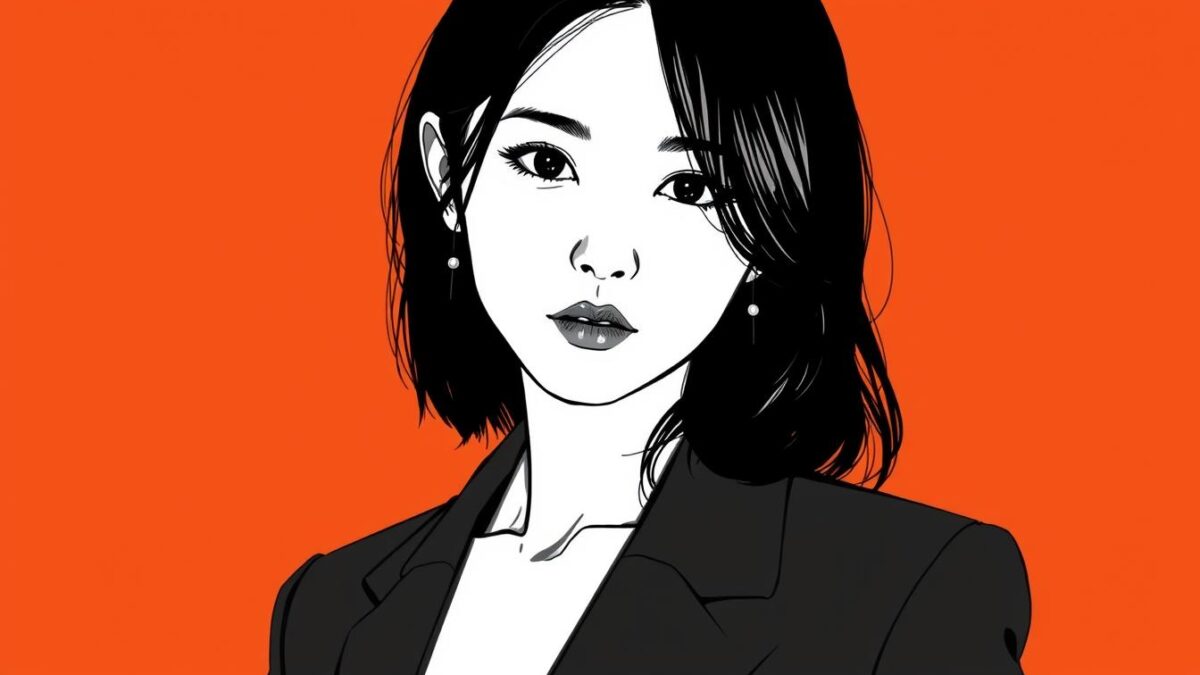
Haruna Luna commands a unique space in Japanese pop culture. She is a celebrated singer and fashion model known for her powerful voice and distinctive style. Her work has left a lasting mark on the anime music scene.
Born Aya Itō in Tokyo on October 11, 1991, she adopted her stage name when she entered the music industry. The name Luna Haruna, written as 春奈るな in Japanese, reflects her artistic identity. It signaled the start of her professional journey.
Her deep connection to anime culture shaped her career from the beginning. She became known for performing theme songs that resonated with a global fanbase. This authenticity helped bring anime music further into the mainstream.
Balancing her work as a singer with a career in fashion modeling, she crafted a complete artistic presence. Her official website, harunaluna.jp, serves as the central hub for fans. It offers verified news about new music and personal updates.
Her path shows how passion for a subculture can fuel a remarkable career. It is a story of craft and consistency.
Early Life and Influences
Her journey into the spotlight began not on a stage, but in her childhood home, inspired by television melodies. Singing along to themes from shows like Sailor Moon planted the initial seed for a future in anime song performance.
Formative Years and Anime Inspirations
In junior high school, her interests expanded into manga and personal style. A fascination with Gothic Lolita characters led her to collect Western fashion pieces. This helped craft her distinct visual identity.
She also took her first professional step. Auditioning for the Internet radio program of Rental Magica, she won the chance to perform its opening theme. This early success confirmed her vocal talent.
Musical inspiration came from powerful performers like Chiaki Ishikawa and ALI PROJECT. Their theatrical shows demonstrated the deep emotional power of music. This experience solidified her desire to become an artist.
First Forays in Modeling and Music
High school was a period of convergence for her dual passions. She gained popularity as an “imoto-kei” amateur model for the fashion magazine Kera. She also did tie-in work for the retail brand Marui.
Her big break in music arrived when she became a finalist at the fourth All-Japan Anime Song Grand Prix. This national competition validated her skills on a major platform. It opened the door to a professional career.
These school years and amateur contests were crucial training. They prepared her for the demanding life of a professional singer and model.
| Period | Activity | Achievement |
|---|---|---|
| Junior High School | Music Audition | Performed opening theme for Rental Magica radio |
| High School | Fashion Modeling | Featured as amateur model in Kera magazine |
| National Competition | Anime Song Grand Prix | Finalist, gaining significant recognition |
Musical Breakthrough and Career Highlights
The year 2011 marked a pivotal turn from amateur passion to professional commitment for the singer. Signing with SME Records launched her into the anime music industry with immediate impact.
Debut Single “Sora wa Takaku Kaze wa Utau” and Early Success
Her debut single arrived in May 2012. “Sora wa Takaku Kaze wa Utau” served as the second ending theme for the popular series Fate/Zero.
The song climbed to #13 on the Oricon charts. It introduced her powerful voice to a wide audience.
This early success was quickly followed by her second single, “Overfly.” It became the second ending theme for Sword Art Online.
“Overfly” peaked at #7, cementing her status as a major new artist.
Chart-Topping Albums and Iconic Anime Themes
Her connection to the Sword Art Online franchise deepened. She provided the ending theme “Startear” for its second season.
She also contributed “Yoru no Niji wo Koete” for the related video game. Her versatility shone in other series like Saekano and High School Fleet.
For High School Fleet, she performed the ending theme “Ripple Effect.”
Collaborations and Diverse Musical Ventures
In 2017, she joined the Sacra Music label. This move preceded releases like “Stella Breeze” for Saekano.
She also collaborated on the SxW EP with artists like Kotoko. Her first best-of album, Luna Joule, was released in 2018.
It featured an orchestral version of her hit song “Overfly,” celebrating her journey.
Haruna Luna: Impact on Pop Culture and Fashion
Fashion and music intertwined seamlessly in her career, creating a unique cultural footprint. This artist built bridges between underground style and mainstream appeal.
Influence on Anime Events and Fan Engagement
Her international touring schedule spanned continents. She performed at major events like Sakura-Con and Anime Expo.
These appearances expanded her fanbase beyond Japan. Sony Music recognized her commercial appeal with special concerts in key Asian markets.
Her digital presence strengthened these connections. The artist maintained active social media pages and an official website for direct fan communication.
Fashion, Modeling, and Trendsetting Moments
As a fashion model, her Gothic Lolita aesthetic made waves. Features in Kera magazine showcased her distinctive style.
Promotional work for Marui department stores brought subculture fashion to mainstream retail. Her visual identity influenced anime fashion trends and cosplay culture.
The artist created a feedback loop between her music and fashion. Theme song performances at conventions inspired new creative expressions.
Closing Reflections on a Dynamic Career
From major label success to independent artistry, this singer’s journey reflects the changing landscape of music. Her departure from Sacra Music in 2021 opened a new chapter of creative control.
The 2022 digital single “BLUE ROSE” demonstrated her ability to secure placements without major backing. She continues her career with HS Record, maintaining relevance in the competitive anisong industry.
Her discography spans three studio albums, one best-of compilation, and numerous singles. Theme songs for franchises like Sword Art Online introduced her voice to millions worldwide.
Tracks like “Stella Breeze” and “Ripple Effect” expanded her artistic range across different series. From Anime Song Grand Prix finalist to established professional, she built an international fanbase.
Her dual legacy combines fashion influence with musical impact. The artist’s website remains the central hub for fans following her evolving career.