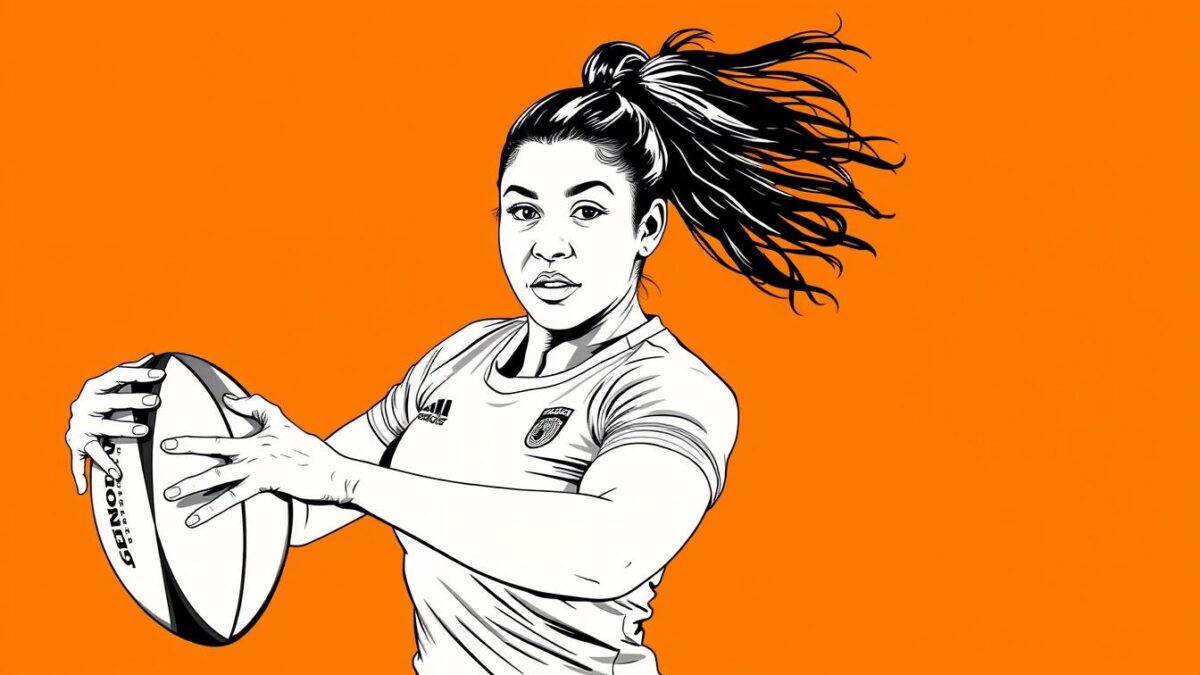
Ghislaine Landry transformed women’s rugby with every step she took on the field. The Toronto-born athlete began her journey when the sport offered few clear paths to international success. She carved her own through relentless dedication.
Her career spanned over a decade with Canada’s national rugby sevens team. Landry became one of the most prolific scorers in the sport’s history. She retired in November 2021 after 208 games wearing the maple leaf.
The numbers tell a powerful story. She accumulated 1,356 career points from 143 tries and 319 conversions. For years, she stood as the all-time leading scorer in women’s sevens. Her record held until March 2024.
She represented Canada at two Olympic Games and multiple World Cups. Her journey mirrored women’s rugby’s evolution from emerging sport to Olympic stage. Landry stood at the center of that transformation.
Her retirement closed a significant chapter in Canadian rugby history. Yet her influence continues to shape the team and sport she helped build. Her legacy remains in every young athlete who follows her path.
Ghislaine Landry: Career Achievements and Impact in Rugby
From her 2011 national team debut to becoming a record-setting captain, her career trajectory was remarkable. She took leadership during the 2016-17 season, succeeding Jen Kish. Her influence grew with each tournament.
Rugby Career Milestones and Records
October 20, 2018 marked a historic moment. She became the first woman to reach 1,000 points in the women’s sevens World Series. This scoring achievement set a new standard.
By retirement in November 2021, she accumulated 1,356 career points. Her record stood until March 2024. The numbers came from 143 tries and 319 conversions across 208 games.
Notable Stats, Awards, and Honors
Her trophy case reflects consistent excellence. Key honors include:
- 2017 World Rugby Women’s Sevens Player of the Year nomination
- Bronze medal at Rio 2016 Olympics as Canada’s leading scorer
- Gold at the 2015 Pan American Games with 47 points
- Multiple Dream Team selections across seasons
She demonstrated scoring leadership year after year. Her final Olympic appearance at Tokyo 2020 saw 37 points. The consistency defined her playing legacy.
Exploring Contributions to Women’s Rugby and Sevens Series
A silver medal at the 2013 World Cup announced her arrival among the world’s best. Ghislaine Landry finished second in overall scoring for that tournament. This performance signaled the start of a dominant run on the international stage.
Her scoring ability became a constant threat during the annual World Rugby Women’s Sevens Series.
Breakthrough Performances at International Tournaments
The 2014-15 season cemented her status. Landry led the entire World Series in scoring with 297 points. She followed this by helping Canada win gold at the 2015 Pan Am Games, contributing 47 points.
The next season, she topped the charts again with 158 points. This earned her a spot on the Series Dream Team.
Pan American and Olympic Highlights
On the Olympic stage, she delivered. At the Rio 2016 Games, she was Canada’s leading scorer with 41 points, powering the team to a bronze medal.
She returned for Tokyo 2020, adding another 37 points to her Olympic tally. Her consistency in major games was remarkable.
Influence on the Women’s Rugby Sevens World Series
Her decade on the circuit raised the profile of women’s sevens. Competing in over 200 series matches, she set a standard for excellence and longevity.
Landry’s leadership as captain shaped team culture. She mentored younger athletes and pushed rivals to higher levels.
Her record-breaking 1,000-point milestone in 2018 highlighted what was possible in this sport. Even after retirement, her legacy influences the series today.
Personal Journey, Inspirations, and Overcoming Hurdles
Her journey to becoming a rugby star started with a simple decision in ninth grade to try a new sport. For Ghislaine Landry, this choice opened a path that would demand both physical strength and personal courage.
Early Life, Education, and Rugby Beginnings
At Lawrence Park Collegiate Institute in Toronto, rugby quickly became her passion. She played high school, club, and provincial levels all within her first year. The commitment required early sacrifices.
Her father drove through rush hour traffic to Aurora three times weekly for practices. There were no clear pathways to the national team back then. Each game built her foundation.
She continued her development at St. Francis Xavier University. The institution became central to her growth. At Xavier University, she earned CIS Rookie of the Year honors.
Back-to-back CIS Player of the Year awards followed. She helped secure a CIS title before graduating in 2010 with a Human Kinetics degree. The university years shaped her as an athlete.
Personal Triumphs: Identity, Relationships, and Support
In 2006, at age eighteen, she came out as homosexual. This personal decision required courage when LGBTQ visibility in sports was limited. It marked an important step in her personal growth.
Her partner provided crucial support through the demands of amateur sport. They married in 2018, celebrating their relationship publicly. This support system understood the physical and emotional toll of competition.
Coaches like Sandro Fiorino and John Tait left lasting impressions on her career. They believed in her talent and provided key opportunities. Their guidance helped shape her approach to the game.
She values honesty, simplicity, and surrounding herself with positive people. These principles guided her through challenges. As she progressed in the sport, things became harder, not easier.
Her favorite motto reflects this mindset: “Hard work beats talent, when talent doesn’t work hard.” This belief in dedication over natural ability defined her approach to every challenge she faced.
Reflecting on a Legacy in Rugby and Future Aspirations
Her career numbers tell only part of the story behind an athlete who helped elevate an entire sport. Ghislaine Landry’s retirement in 2021 closed a remarkable chapter for women’s sevens rugby. The 1,356 career points stood as a record for nearly three years.
Her leadership as captain shaped team culture during critical World Cup and Olympic cycles. She pushed competition standards higher while mentoring younger athletes. This influence extended beyond Canada’s national team to the global rugby community.
Even after her points record was surpassed in 2024, the legacy remains secure. She played a central part in rugby sevens’ Olympic journey. Her career reflects the sport’s evolution from emerging discipline to world stage.
Off the field, she values balance and simplicity. Her advice to young athletes centers on hard work and self-belief. These principles continue to shape the next generation of rugby women.