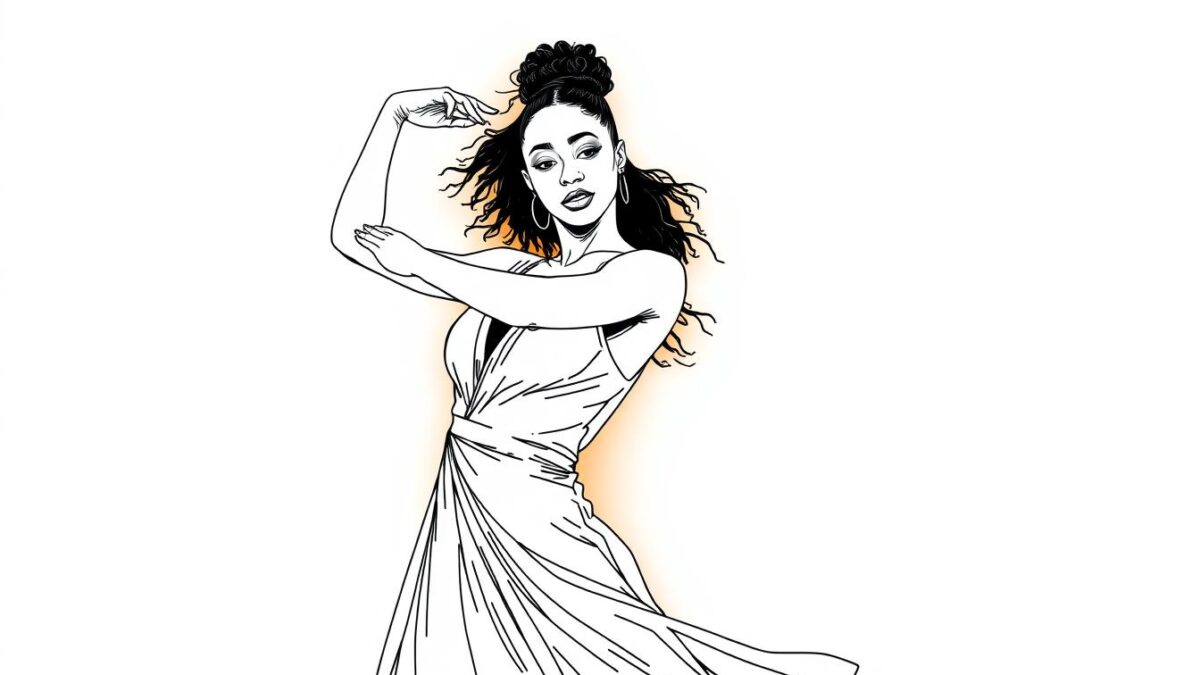
Her path to the screen began long before she stepped in front of a camera. It started on stages in Winnipeg, where a young performer honed her craft. This foundation in movement became the bedrock of her entire career.
Born in Russia, her family sought a new life in Canada. They settled in Winnipeg, where she grew up competing in dance. This multicultural background deeply shaped her artistic voice.
She pursued formal training at Fordham University in the prestigious Ailey/Fordham BFA Program. There, she studied both dance and psychology. This unique blend of physical and mental discipline now informs every character she portrays.
The transition from professional dancer to actress felt like a natural evolution. She brought the storytelling instincts and emotional intelligence of dance into her new roles. The discipline learned in the studio translates directly to the set.
Today, she calls New York City home. The city’s energy fuels her creative life. It keeps her connected to the dance world while she builds her acting profile.
People who follow her work see an artist committed to authentic stories. She chooses projects that reflect a diverse world. Her performances carry the purpose and precision of a seasoned performer.
Early Beginnings and Dance Roots
Movement found her before words did, in a Winnipeg studio where a young girl processed her world through dance. Her family arrived as refugees when she was two, carrying histories from Russia and Sierra Leone. Winnipeg became the canvas where these cultures blended into a unique artistic voice.
Childhood Influences and Cultural Journey
Dance became her first language during those formative years. It was a way to navigate displacement and identity without needing translation. The tight-knit arts community provided space to grow at a human pace.
Her family understood this wasn’t just a hobby but a calling. They supported her artistic pursuits even when the path seemed uncertain. This support system became crucial for her development.
Training, Competitions, and Early Dance Experiences
Childhood dance competitions taught her that performance demands both technical precision and emotional honesty. These early lessons would later serve her when she transitioned to acting. The discipline learned in competition settings translated directly to professional work.
When the time came for advanced training, she chose Fordham University’s Ailey/Fordham BFA Program. This placed her at the intersection of dance excellence and academic rigor. Studying both movement and psychology helped her understand what drives people.
| Year | Milestone | Location | Key Development |
|---|---|---|---|
| Early Childhood | First Dance Classes | Winnipeg | Foundation in movement and expression |
| Elementary Years | Competition Circuit | Regional | Technical precision and performance skills |
| University | Ailey/Fordham BFA | New York | Professional training and psychology studies |
| Post-Graduation | Alvin Ailey Apprentice | New York | Professional dance company experience |
The years spent training transformed her from a talented young dancer into a disciplined artist. She learned that technique serves story and every movement carries meaning. As an apprentice at Alvin Ailey, she stood at the edge of a professional dance career, surrounded by people dedicated to their craft.
Djouliet Amara: Rising Star in Canada and New York
A leap of faith, not a calculated plan, set the course for her screen career. When the physical demands of professional dance became too great, she pivoted. This necessity opened a new creative path.
New York provided the perfect stage for this reinvention. The city’s diversity fueled her work.
From Winnipeg to New York: A Story of Resilience
Her early roles introduced her to the technical side of filmmaking. Appearances in “Tales from the Hood 3” and the horror film “Seance” proved her screen presence. She held her own alongside established actors.
Guest spots on series like “Riverdale” and “Superman & Lois” built her resume. Each part taught her how different sets operate. These roles expanded her range.
Transitioning from Dance to a Dynamic Acting Career
A role in the Emmy-nominated series “The Porter” was a turning point. It was her first taste of prestige television. The show’s important story about Black Canadian history resonated deeply.
Then came “The Big Door Prize”. Landing the lead role of Trina Hubbard changed everything. This Apple TV+ series became her signature project.
Her dance training gave her a distinct edge. Skills like spatial awareness and emotional control translated directly to her acting. She transforms into her characters.
- Key Role: Trina Hubbard in “The Big Door Prize”
- Notable Appearance: Corrine in “The Porter”
- Guest Roles: “Riverdale,” “Superman & Lois,” “Devil in Ohio”
Insights from the Exclusive Interview
For this actor, inspiration comes not from red carpets but from the people closest to her. Djouliet Amara calls her creative circle “baby geniuses,” drawing energy from their ideas and support.
Her view of home is equally personal. It splits between her New York apartment and a romantic detail about a partner’s shoulder. This shows a person who builds her life on connection.
Artistic Inspirations and Personal Style Evolutions
She finds deep motivation in family. Knowing her mom loves watching her work makes each new part an act of shared joy. It’s a powerful way to approach a demanding career.
Her style reflects a thoughtful mind. She favors sustainable pieces from small businesses, like linen dresses meant to last. This idea of legacy extends to how she thinks about the characters she plays.
Key Moments on Stage and Screen
Acting, for her, is an adventure. She describes it as “playing house for a living.” This approach allows her to travel and explore different lives while staying grounded.
A key part of her routine is simple: laughing before bed. It’s a small thing that keeps the work in perspective. She prioritizes joy, trusting it makes her a better actor.
Final Reflections and the Future of Her Journey
Finding a safe space for her body and talent became the real turning point. Projects like “Fitting In” let her explore inclusive stories. She plays a supportive friend in a film about complex lives.
She speaks openly about leaving dance for a healthier environment. In acting, no one polices her body. This freedom allows her to focus on the craft.
Her philosophy revolves around “branches.” She believes people contain multitudes. This idea fuels her choice of roles, like Trina in “The Big Door Prize,” a character learning she is more than one thing.
Djouliet Amara’s path suggests a future of continued revelation. She will likely keep choosing work that reflects the full spectrum of human experience. Her journey is a blueprint for thriving on one’s own terms.