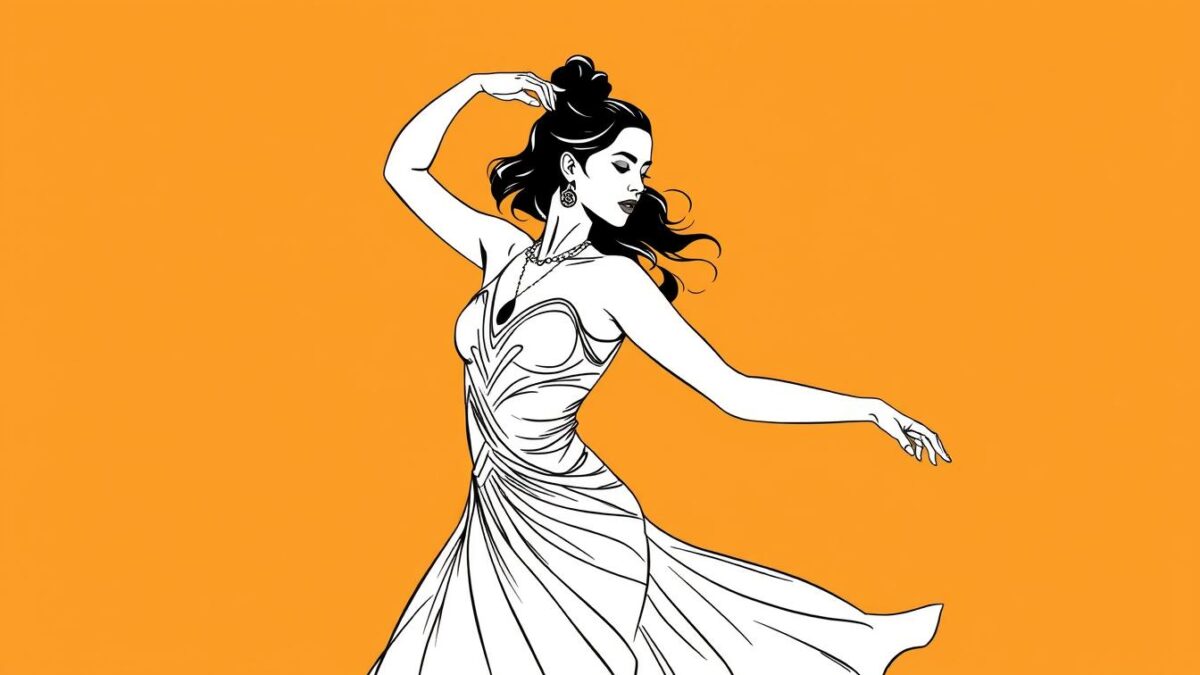
From the community of Morro do Turano in Tijuca, a dancer brings the raw energy of grassroots samba to the grandest stage. Her roots in Rio de Janeiro fuel a performance that feels both authentic and electrifying.
She now shines as a leading musa for Unidos do Viradouro. This samba school earned fourth place in the Special Group during the latest carnaval, topping the current rankings. Their ensemble of performers is renowned for its talent and charisma.
Stepping onto the iconic Marquês de Sapucaí runway represents a dream realized. It is a moment shared by many young women from similar backgrounds who see this celebration as a pinnacle of cultural expression.
The journey of Carolina Macharethe reflects a larger story. It shows how individual dedication and passion merge into the collective spectacle that defines Rio‘s tradition. Her story keeps the vibrant culture of samba alive for new generations.
Spotlight on Carolina Macharethe: A Rising Carnival Icon
At just five years old, a young dancer from Rio’s hills began her journey with Império da Tijuca, stepping into a world of rhythm that would define her life.
Early Beginnings and Passion for Samba
Her carnival path started in youth samba schools, known as mirim schools. Over fifteen anos, she built her trajetória through respected escolas like Estácio de Sá and São Clemente.
This progression shows the traditional pathway many dancers follow. They earn recognition through skill and community respect.
From the Morro to Marquês de Sapucaí: A Journey of Dedication
Carolina Macharethe also performed with Unidos da Tijuca and Império Serrano. Viradouro’s leadership noticed her talent while she danced in a passista wing.
They offered her a featured musa role. This promotion validates years of dedication to the art form.
The avenida serves as both stage and proving ground. Here, personal passion transforms into public spectacle.
Her story embodies perseverance rather than overnight success. It reflects a deeper connection to community and samba culture across Rio’s landscape.
Carnival’s Cultural Evolution and Impact
Carnaval carioca represents more than just celebration—it’s a historical tapestry woven from diverse traditions. This festival blends African rhythms, Indigenous influences, and European pageantry into a uniquely Brazilian experience.
Rio de Janeiro’s Iconic Carnival Legacy and Modern Trends
The escolas de samba emerged from Rio’s working-class neighborhoods in the early 1900s. They transformed informal street parties into organized artistic competitions with elaborate floats and choreography.
Modern carnaval carioca honors tradition while embracing innovation. Schools maintain historical samba roots but incorporate contemporary themes and social commentary into their annual narratives.
These escolas de samba function as vital community institutions. They offer year-round social programs and cultural education that extend far beyond the parade nights.
The essência of samba remains constant despite evolving presentation styles. Its rhythmic complexity and collective participation keep Carnival rooted in Afro-Brazilian experience.
Today’s carnaval increasingly addresses social issues like inequality and environmental concerns. The massive platform sparks important dialogues across Brazilian society.
The global influence of Rio’s Carnival has inspired celebrations worldwide. Yet the original maintains its unique character through deep community involvement and generational traditions.
Innovative Fashion and Artistic Expression at Carnival
Carnival costumes are more than just glitter and feathers. They are wearable narratives that bring a samba school’s story to life.
Carolina’s Unique Key-Inspired Costume and Its Symbolism
For Unidos do Viradouro’s “Malunguinho” enredo, a dancer wore a costume crafted from over one thousand keys. This powerful piece represented the magical key that freed people from slavery.
The design turns fashion into a profound statement. It speaks of liberation and unlocks a vital part of Black Brazilian history.
The Role of Stylists and Designers in Shaping Carnival Looks
Stylist Daniel Zarmanno created this original piece. His work shows how designers merge historical themes with bold aesthetics.
Zarmanno’s creations appear across many escolas. He builds a signature style that transcends individual samba school loyalties.
He calls the process a “delicious challenge.” It blends research, skill, and vision to create art that must endure a vigorous performance.
How Creative Costuming Fuels the Carnival Spirit
These costumes transform an abstract enredo into a visual spectacle. They help everyone understand the theme through color and symbol.
The immense amor poured into each piece reflects Carnival’s true purpose. It is a collective expression that honors heritage while pushing creative limits.
Every lugar in the parade, from musa to bateria queen, needs a design that stands out. It must also fit the escola’s unified visual story.
Final Reflections: Embracing the Legacy of Carolina and Carnival
Carolina Macharethe declares her intention to stay with Unidos do Viradouro “for the rest of my life.” This statement from the musa reveals a bond deeper than performance. It is a commitment rooted in amor for her Rio de Janeiro school.
All eyes now turn to Carnaval 2026. Her escola will parade third on Monday night with the enredo “Pra Cima, Ciça!”. The avenida awaits another vibrant show.
Her trajetória from local hills to a leading role mirrors the spirit of escolas de samba. It shows how dedication over many anos, including time with Império Serrano, honors the essência of samba.
This journey secures her lugar within a powerful tradition. Performers like her ensure the heart of samba continues to beat strongly for all escolas and future generations.