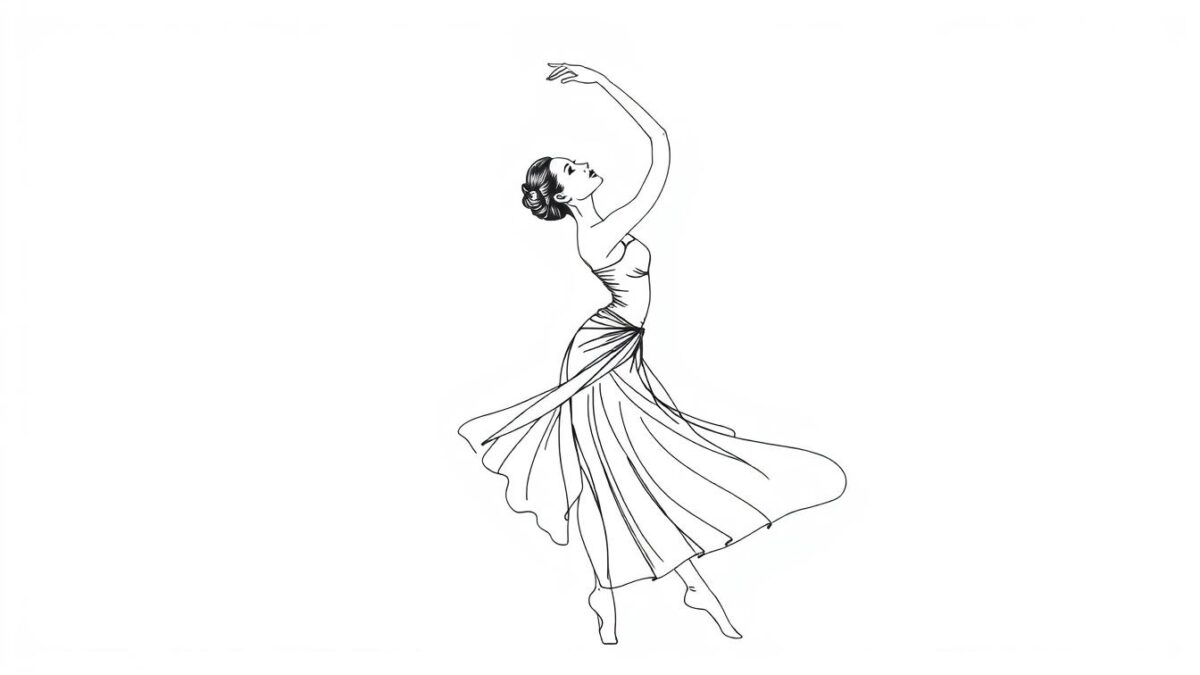
Annette Cherkasov commands the stage. As a principal dancer, she blends technical mastery with deep dramatic presence. Her work defines the power of American ballet today.
This talent shone brightly in Los Angeles during June 2025. She performed at Television City in a series of shows from the 5th to the 28th. The venue offered an intimate setting, bringing the audience just feet from the action.
The program featured a double bill with American Contemporary Ballet. It included the world premiere of “The Euterpides” and George Balanchine’s classic “Serenade.” This showcased a remarkable range, from new choreography to timeless repertoire.
In one piece, the dancer portrayed a haunting Death figure. In “Serenade,” she embodied the Dark Angel. Each role demanded a different facet of her artistry, from raw character work to pure classical form.
Her performance left a lasting impression. Critics noted her striking physicality and the clarity of every movement. In that softly lit studio, with live piano music, her commitment was palpable.
Latest Performances and Stage Dynamics
Mirrors multiplied the dancers, creating a visual echo that defined the show’s aesthetic. The cast performed mere feet from the audience. This intimacy made every detail visible.
Intricate Choreography and Timing
The choreography demanded perfect unison. A recurring motif featured deep backward bends on one knee. This move tested the dancers’ flexibility and endurance throughout the piece.
Tiny bourrées and backward leaps kept the action fluid. The dancers navigated the mirrored stage with precision. Their timing had to be exact.
Striking Lighting, Costumes, and Set Design
Lighting designer Martha Carter used large pools of light. The colors shifted with each scene, making the space feel vast. However, limited front lighting sometimes hid the performers’ faces.
A dramatic costume change introduced scarlet tutus and sequined tiaras. This transformed the stage’s visual palette completely. For “Serenade,” the costumes honored the original 1952 designs.
| Element | The Euterpides | Serenade |
|---|---|---|
| Costume Designers | Emma Beeman & Lincoln Jones | Barbara Karinska (1952) |
| Color Palette | Light, Monochrome | Light Blue Tulle, Yellow Panels |
| Key Visual Feature | Tall Mirrors, Kaleidoscopic Effect | Classic Romantic Silhouettes |
| Lighting Approach | Large Color Washes, Shifting Tones | Softer, More Traditional Focus |
The 17-member orchestra performed live, adding acoustic richness. Photos by Anastasia Petukhova captured the stark contrast between the two pieces. Her work documented the performance’s visual journey.
Spotlight on Annette Cherkasov
Two distinct characters emerged from the same performer, each demanding a different physical and emotional approach to the dance. Her work spanned from contemporary theatricality to classical precision within a single evening.
Captivating Solo Moments and Technical Prowess
As Death in black garb, the dancer demonstrated extreme back bends that defied normal physical limits. Her arms spread wide with filigreed fingers created striking silhouettes against the dark performance space.
Photographs by Anastasia Petukhova captured these dramatic moments in dramatic light. The dancer led formations that skittered backwards with Balanchine-like geometric precision.
Emotional Impact and Artistic Presence
In Serenade, she shifted to the Dark Angel role alongside Madeline Houk and Kate Huntington. While technically strong, some critics noted the emotional projection in simpler moments needed more risk.
The intimate audience proximity at Television City made every detail visible. Her versatility across contrasting ballet styles demonstrated the range American Contemporary Ballet demands.
| Aspect | Death in “The Euterpides” | Dark Angel in “Serenade” |
|---|---|---|
| Technical Focus | Extreme back bends, character-driven movement | Classical purity, neoclassical form |
| Emotional Approach | Haunting determination, theatrical presence | Abstract expression, subtle emotional layers |
| Visual Presentation | Black garb, dramatic silhouettes | Light blue tulle, traditional costuming |
| Choreographic Style | Contemporary formations, geometric patterns | Balanchine technique, ensemble work |
The Artistic Collaboration Behind the Ballet
Lincoln Jones and Alma Deutscher formed the core creative partnership for the world premiere. As artistic director and choreographer for American Contemporary Ballet, Jones shaped the entire program. His vision connected the new work with the classic.
This collaboration defined the evening’s unique energy. It was a true meeting of minds behind the scenes.
Choreographer Insights and Vision
Lincoln Jones built his new piece around a Greek myth. The story involved Euterpe, the Muse of Music. Her daughters dance with a beloved mortal.
This narrative inspired thirty minutes of choreography across nine segments. Jones aimed to create visual music through dance. His work showed a clear Balanchine influence.
Weaving pathways and shifting groups of dancers filled the stage. The choreography included solos, a pas de deux, and ensemble sections.
Musical Inspirations and Live Performance Elements
Composer Alma Deutscher created original music for the ballet. She conducted the live performances herself in Los Angeles. Her score featured a nostalgic, recurring melody.
The program also featured her overture from the opera Cinderella. This piece provided a sparkling interlude between ballets.
For Serenade, a seventeen-member string orchestra played Tchaikovsky. The live music added a rich, acoustic layer to the show. A few early moments revealed players still warming up.
Costume designer Emma Beeman worked with Jones on the contemporary looks. Photographer Anastasia Petukhova captured the entire collaboration. Her photos document the visual impact of the program.
Reflections on the Night’s Artistic Journey
The audience at Television City gave their full attention. Not one cell phone lit up during the 90-minute program. This quiet focus showed how the work held the space.
Opening night had some natural jitters. Yet the artistic journey felt complete. American Contemporary Ballet moved from a world premiere to a classic masterwork with skill.
The intimate setting created a different experience. Subdued lighting and live music invited quiet thought. Dancers like Madeline Houk and Victoria Manning handled sharp style changes with grace.
Time played a key role. The new piece ended too soon for many. The familiar structure of the second ballet gave the dancers room to grow into their roles.
This Los Angeles run proved the power of simple, honest dance. The arts program honored tradition while pushing forward. Anastasia Petukhova’s photos capture the fleeting magic left behind.