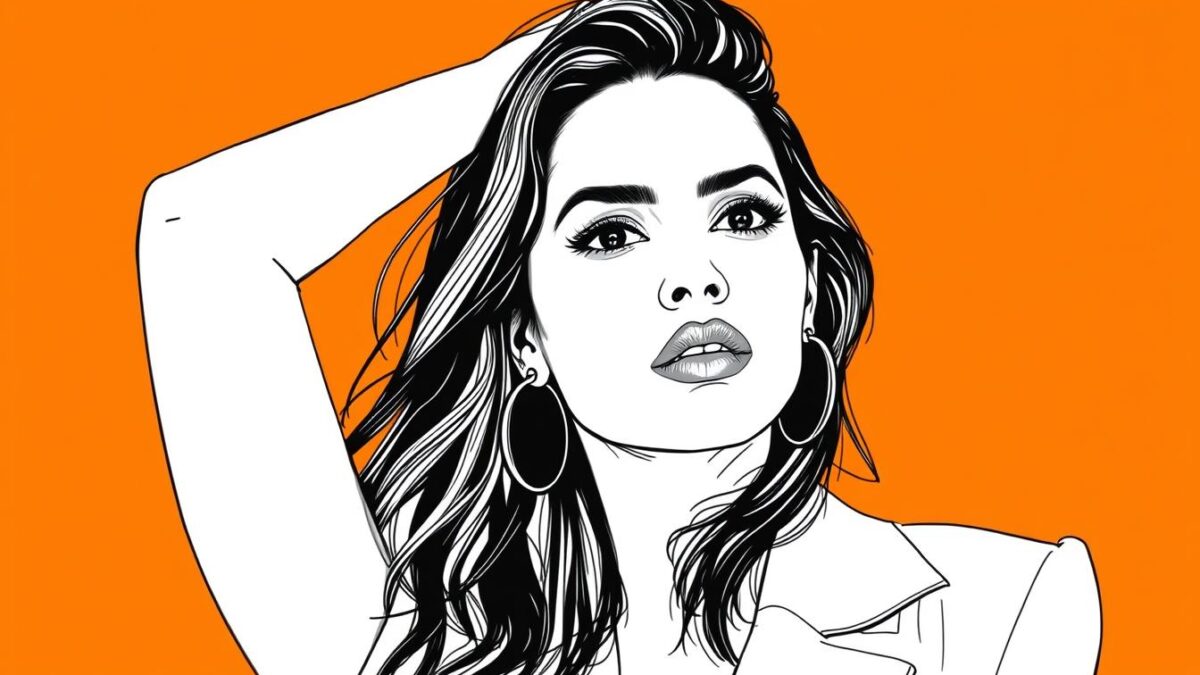
Virgínia Pimenta da Fonseca Serrão Costa entered the world on April 6, 1999, in Danbury, Connecticut. She holds dual Brazilian-American citizenship with Portuguese roots. Her family moved to Brazil when she was just three years old.
Her journey from teenage YouTuber to multimedia powerhouse happened with remarkable speed. At sixteen, she posted her third video and quickly reached 100,000 subscribers. The momentum never slowed.
Today, she commands attention as a leading Brazilian-American television presenter and entrepreneur. Her digital influence spans 11.8 million YouTube subscribers and 1.5 billion views. Business ventures generated over R$168 million in a single year.
Her appeal comes from raw visibility rather than careful curation. Pregnancy announcements, business launches, and televised Saturday shows create an unfiltered presence. Millions feel personally invested in every chapter of her story.
Early Life and Personal Background
Her story starts with geographical complexity, born American but culturally destined for Brazil. The full name Virgínia Pimenta da Fonseca Serrão Costa reflects this dual heritage from the beginning.
Birth, Heritage, and Early Influences
Her mother provided the strong Brazilian cultural anchor, hailing from Governador Valadares. This maternal influence would become central to her public identity.
The Portuguese-American father contributed a multinational background rarely discussed publicly. This mixed heritage created the foundation for her cross-cultural appeal.
Family Movements and Cultural Roots
At age three, the family moved to Brazil, settling in her mother’s hometown. Brazilian culture, language, and social rhythms became her true foundation.
Another relocation at sixteen took them to Portugal for one year. This European chapter proved brief before returning to Brazil.
By eighteen, she moved independently to Londrina for work opportunities. This showed early signs of the ambition defining her career.
She eventually settled in Goiânia, building her life and businesses there. Despite American citizenship, she fully embraced her Brazilian identity, stating she doesn’t speak English and has no desire to return to the United States.
Journey to Digital Stardom
The path to digital stardom started not with a grand plan, but with a teenager’s simple camera and a Brazilian funk playlist. Her initial YouTube videos were raw and unpolished, capturing a genuine personality that resonated instantly.
YouTube Beginnings and Early Videos
In 2016, her third video became the breakthrough. It featured her favorite Brazilian funk tracks. This single video unlocked the formula for rapid growth, hitting 100,000 subscribers.
It proved authenticity and cultural familiarity were key. A brief attempt at a DJ career followed but felt misaligned. She disliked being behind the decks while others celebrated.
Collaboration with Established Influencers
The turning point was an invitation from top YouTuber Pedro Rezende. Creating content together plugged her into his massive audience. This collaboration significantly boosted her visibility.
Joining his agency, ADR, provided professional support and cross-promotion. The announcement of their relationship further amplified her popularity. She became a recurring feature in his challenge videos.
| Phase | Year | Key Action | Outcome |
|---|---|---|---|
| Solo Discovery | 2016 | Posts first YouTube videos | Third video hits 100k subscribers |
| Career Pivot | 2017 | Brief DJ attempt | Realizes it’s not the right fit |
| Collaborative Boost | 2017-2020 | Partners with Pedro Rezende | Audience and popularity surge |
By the time the partnership ended in 2020, the core mechanics of digital fame were mastered. Consistency, personality, and strategic collaboration became the pillars of her enduring success.
Career Transformation and Media Ventures
A failed attempt at DJing in 2017 proved to be the catalyst for a major career transformation that would ultimately lead to television success. The brief experiment revealed a fundamental mismatch between live performance and digital content creation.
Transition from DJ to Digital Influencer
The year 2020 brought significant changes. Her partnership with Rezende ended, resulting in a R$2 million contract penalty. This financial hit could have stalled her momentum.
Instead, she pivoted strategically. A new relationship with country singer Zé Felipe opened different opportunities. She became his promotional partner, appearing in music videos and creating choreographies.
This move expanded her audience into Brazil’s massive country music scene. Zé Felipe’s fans embraced her energy and visibility. The transition showed her ability to navigate professional challenges.
Debut in Television and Program Launch
By 2023, traditional media recognized her crossover appeal. Brazilian network SBT hired her for a weekly television program. This validated her influence beyond digital platforms.
“Sabadou com Virginia” premiered on April 6, 2024—her 25th birthday. The Saturday night slot marked a symbolic transition from influencer to television host.
The debut delivered impressive results. It placed second in Ibope ratings and became SBT’s most-watched program. Her digital following translated seamlessly to broadcast audiences.
Entrepreneurship and Business Endeavors
The year 2021 marked a strategic pivot from digital content creation to building a tangible business empire. Virgínia Fonseca founded three companies simultaneously, converting her vast online influence into a diversified commercial portfolio.
This move secured greater control over revenue streams and brand narrative.
Launching Talismã Digital, WePink, and SK Aesthetic
Talismã Digital became the advertising engine managing her partnerships. The beauty brand WePink, however, generated immediate and staggering profits.
Forbes reported a R$10 million profit in its first month. By March 2023, the brand sold 110,000 perfume bottles in one month alone.
This generated R$17 million in profit just three months after that product’s launch. The aesthetic clinic, SK Aesthetic, was sold in 2022 for an undisclosed sum.
| Company | Launch Year | Focus | Notable Outcome |
|---|---|---|---|
| Talismã Digital | 2021 | Advertising Agency | Controls brand partnerships and narrative |
| WePink | 2021 | Beauty Products | R$168.5 million profit in 2022 |
| SK Aesthetic | 2021 | Aesthetic Clinic | Sold in 2022 |
Expansion into Children’s Cosmetics
In 2022, the entrepreneur launched Maria’s Baby, a children’s cosmetics line. Named after her eldest daughter, it targeted the family-oriented segment of her audience.
This expansion demonstrated a keen understanding of her followers’ interests. It leveraged personal milestones to build trusted consumer brands.
Personal Life, Relationships, and Motherhood
The rapid succession of marriage and children created a family narrative that captivated millions while inviting intense public scrutiny. Her personal journey unfolded with the same visibility as her professional career.
Key Relationships and Family Milestones
After a two-year relationship with YouTuber Pedro Rezende, she revealed her partnership with singer Zé Felipe in June 2020. The couple married privately in March 2021.
Their family grew quickly with three children. Maria Alice arrived in May 2021, followed by Maria Flor in October 2022. José Leonardo completed the family in September 2024.
| Event | Date | Significance |
|---|---|---|
| Relationship with Zé Felipe | June 2020 | Public announcement of new partnership |
| Marriage | March 2021 | Private ceremony at Felipe’s home |
| Birth of Maria Alice | May 2021 | First child, content shift to motherhood |
| Birth of Maria Flor | October 2022 | Second daughter, expanded family content |
| Separation Announcement | May 2025 | End of nearly five-year public marriage |
Balancing Fame with Parenthood
Parenting decisions faced constant public debate. A viral video of Maria Alice in 2023 sparked controversy when journalist Evaristo Costa commented on parenting styles.
The couple received criticism for using their newborn in marketing campaigns. Debates over breastfeeding duration and babysitter use during travel drew public scrutiny.
Each child became both content source and business opportunity. The line between private family life and public brand blurred completely.
Public Image, Controversies, and Criticism
Success in the digital space often comes with intense public scrutiny. For this influencer, business ventures and product launches became a significant source of controversy.
These incidents tested the trust of her massive audience.
Product Challenges and False Claims
A major challenge arose with a WePink makeup foundation launch in March 2023. The entrepreneur marketed it as a “dermomake” product with skin-treating benefits and imported quality.
Beauty influencer Karen Bachini challenged these claims. She revealed the product held a Grade 1 classification from Anvisa, Brazil’s health agency. This meant it was incapable of delivering skincare benefits.
Consumers reported the foundation dried their skin and highlighted pores. YouTuber Felca’s viral review, stating he would “have nightmares,” captured the widespread disappointment. The product’s high initial price faced sharp criticism.
Accusations of Plagiarism and Business Scams
Further controversies questioned the originality of her brands. The October 2022 launch of her children’s line, Maria’s Baby, drew accusations of plagiarizing Kylie Jenner’s “Kylie Baby.” Critics pointed to similarities in the brand name and visual identity.
Other business issues followed. A 2023 sunglasses collaboration led to customer complaints about non-delivery. Additional accusations included promoting brands with false advertising and charging fans for photo opportunities.
Each incident contributed to a narrative of business challenges that contrasted with her commercial success.
The Impact of Virgínia Fonseca on the Digital Landscape
Her position as a dominant force in Brazil’s digital sphere is backed by hard data and industry accolades. A 2023 Datafolha study officially confirmed her as the nation’s largest influencer.
This title reflects an unmatched combination of reach and resonance.
Social Media Influence and Market Reach
By late 2025, her YouTube channel commanded 11.8 million subscribers and 1.5 billion views. These numbers translate into significant advertising value and cultural sway.
Her overall popularity ranking sits at #12,180 globally. She holds the #2 spot for the first name Virginia, indicating high searchability.
Awards, Recognition, and Cultural Influence
The year 2021 brought major wins, including TikTok Awards and MTV Miaw honors. These awards validated her trendsetting power and collaborative success.
Peak recognition arrived in 2022. The People’s Choice Awards named her Brazilian Influencer of the Year.
That same year, MTV Miaw honored her podcast and dance trends with three wins. Prêmio Jovem Brasileiro also crowned her YouTuber of the Year.
Numerous nominations from 2019-2023 show sustained audience support. Her influence now shapes beauty standards, parenting discussions, and modern entrepreneurial models in Brazil.
Final Reflections on a Multifaceted Influencer
Her digital empire stands as a testament to the power of authentic video content in the modern era. What began as teenage YouTube experiments evolved into television programs and million-dollar businesses within a single ano.
This journey maps a new geography of influence. Physical location matters less than digital reach and genuine audience connection. Her story blends calculated pivots with unplanned controversies, navigated with varying success.
Each video delivered unfiltered access that felt both aspirational and attainable. This trust allowed business ventures to convert influence into remarkable capital. Yet controversies revealed how fragile that credibility can be.
The legacy of Virgínia Fonseca is dual. She mastered digital fame mechanics and generated significant wealth. But she also serves as a cautionary tale about the costs of constant visibility.